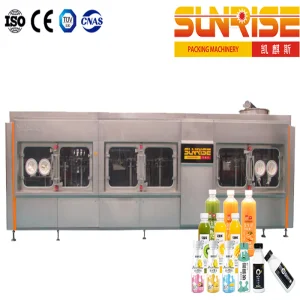
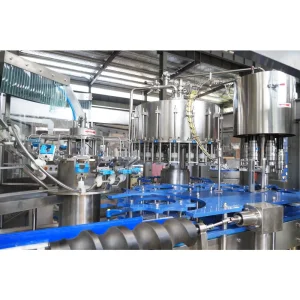
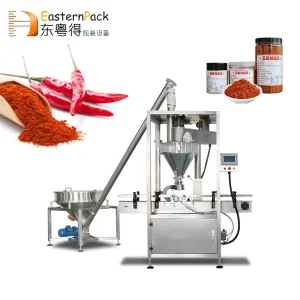
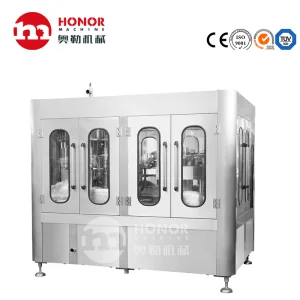
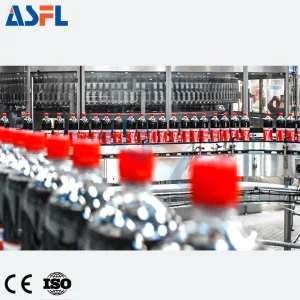
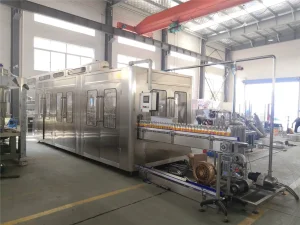
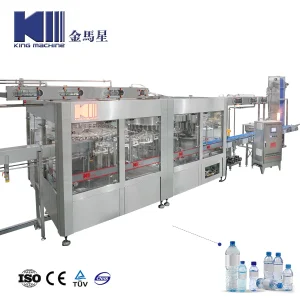
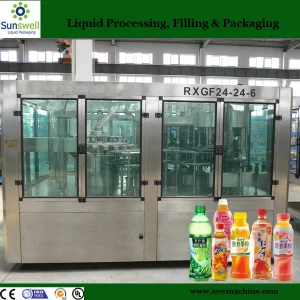
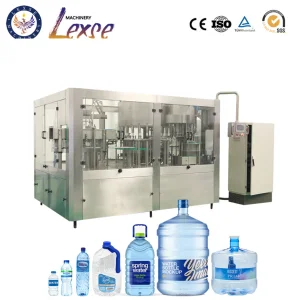
Advanced high-capacity beverage and liquid pet nutrient bottling infrastructure, ready for integration into South Korea's premium pet food manufacturing hubs.
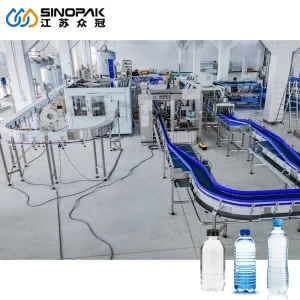
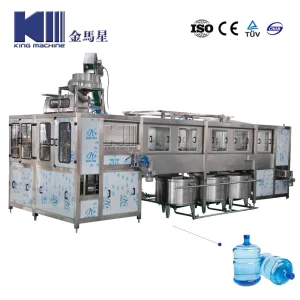
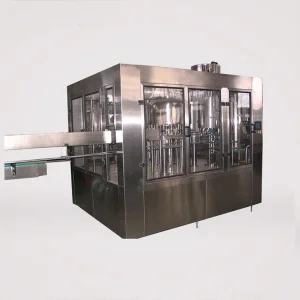
How hyper-urbanization, structural demographic shifts, and the "Pet-fam" culture are shaping the requirements for premium multi-pet feeding systems.
South Korea’s domestic pet industry has experienced an unprecedented structural transformation. Historically viewed through a agrarian or traditional pet ownership lens, modern Korea now considers pets as irreplaceable family members—a socio-cultural trend officially coined as "Pet-fam" (Pet + Family). Underpinning this phenomenon is the rapid growth of single-person households and dual-income apartments (known locally as A-pa-teu complexes) in major metropolitan areas such as Seoul, Incheon, and Busan.
According to the Korean Ministry of Agriculture, Food and Rural Affairs (MAFRA), nearly one in four Korean households now cohabitates with a pet. As density in high-rise residential properties increases, pet owners face distinct limitations in terms of space, noise control, and physical environment. In parallel, long working hours in Korea's competitive corporate landscape mean that pets are left alone for extended periods. This has catalyzed an urgent market demand for IoT-enabled, highly reliable Multi-Pet Feeding Systems capable of regulating dietary intakes, maintaining food freshness, and providing dynamic portion management without human intervention.
In standard domestic environments, multi-pet households often experience food-stealing conflicts between dominant and submissive animals, or between pets with distinct therapeutic diets (e.g., kidney health vs. weight control). The South Korean market has uniquely fast-tracked the adoption of **RFID collar-recognition** and **AI-powered facial tracking** feeding bowls. Standard gravity-based or basic electronic feeders are obsolete in the premium apartments of Gangnam and Mapo; only advanced systems integrated into smart home networks can meet Korean consumer expectations.
Exporting to South Korea requires rigorous engineering alignment with local standards. Every active electronic component within a smart pet care device must carry the KC (Korea Certification) Mark. This system, overseen by the Korean Agency for Technology and Standards (KATS), validates electromagnetic compatibility (EMC), wireless communication safety (essential for 2.4GHz/5GHz WiFi-enabled applications), and electrical insulation safety.
Furthermore, because the food contact surfaces of automatic pet feeders directly impact pet wellness, they are governed by the strict guidelines of the Korean Food Sanitation Act managed by the Ministry of Food and Drug Safety (MFDS). Manufacturers must ensure that materials like ABS plastics, SUS304 stainless steel bowls, and silicone seals are 100% free of BPA, phthalates, and lead leachates. As an established exporter, Dongguan PawEase Feeder Co., Ltd. incorporates these compliance vectors from the very beginning of the mold design phase.
Comparing international B2B smart pet supply trends with the unique, high-density residential integration demands of South Korean smart cities.
Globally, the smart pet care industry is experiencing a profound transition from low-tech utility items to high-value IoT nodes. In mature Western markets (e.g., USA, Germany), the focus lies on high-capacity feeders capable of housing up to 10 liters of dry kibble, designed for larger suburban homes with gardens. Conversely, in the East Asian market, compact, aesthetic, and hygienic designs reign supreme. Production facilities in global manufacturing centers must therefore pivot from rigid high-volume single-design runs to modular, flexible assembly setups that support diverse OEM/ODM cosmetic configurations and varying electrical configurations.
For the Korean market, multi-pet feeding systems must resolve localized challenges related to **high-rise living spatial constraints** and **impeccable acoustic performance**:
Anticipating the technological transitions from basic digital scheduling to predictive, AI-driven veterinary diagnostics integration.
Implementation of dual-band WiFi modules (2.4/5GHz), real-time app notifications, food levels detected via optical infrared barriers, and physical freshness preservation through moisture-impermeable structures.
Adoption of sub-millimeter accurate active RFID tags embedded in collars, integrated high-definition 1080p wide-angle cameras with localized edge-AI processing to perform facial and posture analysis of feeding pets.
Cloud-hosted health prediction engines that track calorie consumption velocities, comparing them with medical history data, and automatically transmitting anomalies to local South Korean veterinary networks.
A global leader in smart pet care technology, specializing in automated production engineering, high-precision injection molds, and global OEM/ODM partnerships.
Established in 2016 in the industrial center of Dongguan, China, Dongguan PawEase Feeder Co., Ltd. has evolved into a premier smart pet care equipment manufacturer. The company integrates comprehensive research and development, custom mold creation, high-precision intelligent manufacturing, robust quality control architectures, and specialized global OEM/ODM services into an agile, state-of-the-art production network.
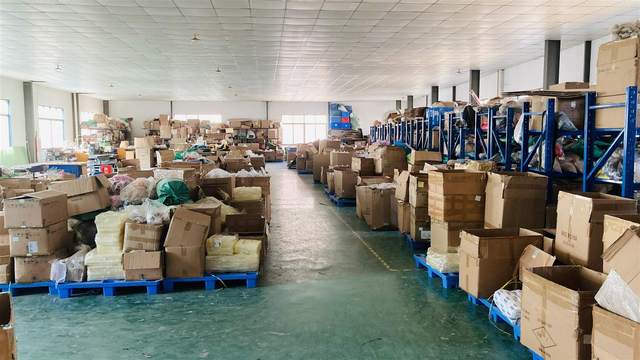
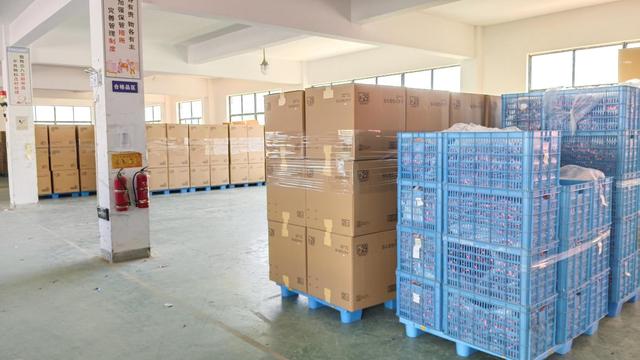
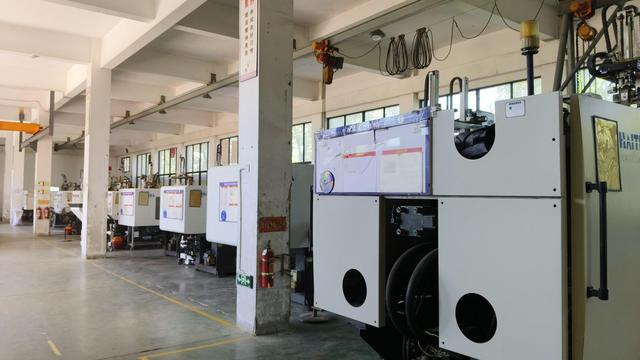
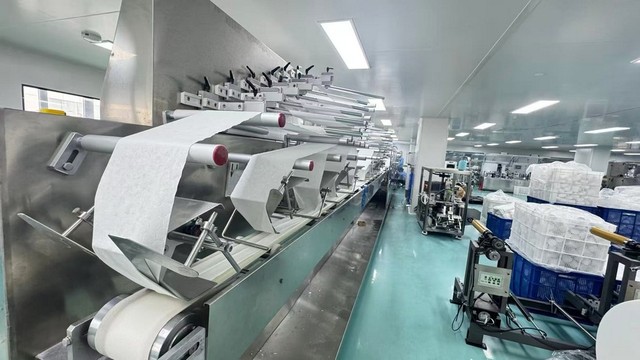
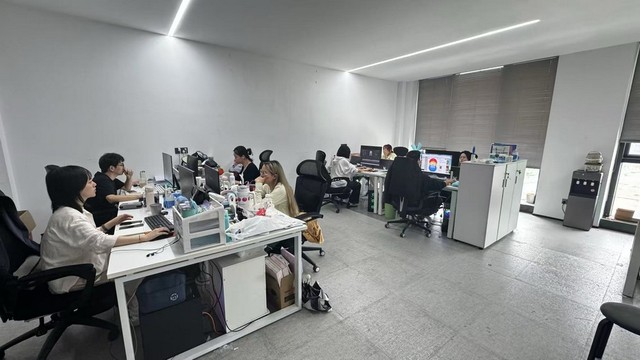
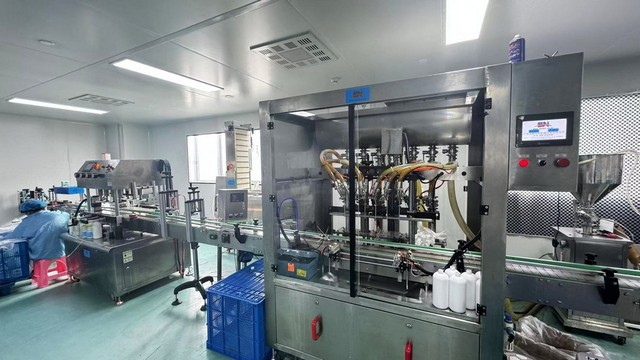
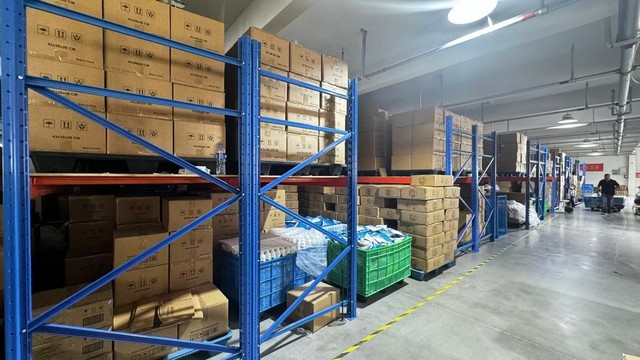
Our manufacturing facility spans over 25,000 square meters, utilizing more than 280 highly skilled workers and 15 modern automated assembly lines. Our infrastructure includes advanced high-precision plastic injection machines, anti-static dust-free electronic assembly workshops, and dedicated QA laboratories. With an annual capacity exceeding 1 million smart pet care units, we consistently support leading global e-commerce brands, industrial distributors, and wholesale pet suppliers across South Korea, North America, Europe, and the Middle East.
PawEase’s technological portfolio comprises automatic cat feeders, intelligent canine feeding systems, high-speed WiFi-enabled pet food dispensers, mobile-app integrated feeding equipment, continuous-flow automatic pet water fountains, portion-controlled dual-bowl configurations, and interactive voice-recording dispensers. By synthesizing reliable hardware engineering with secure cloud architectures, PawEase ensures that domestic pet wellness is continually prioritized, offering absolute peace of mind to the end-users.
Addressing essential technical, regulatory, and engineering questions raised by South Korean commercial importers and retail partners.
All automated smart pet feeding systems containing active electronics, AC adapters, or wireless modules (WiFi, Bluetooth) must acquire the KC (Korea Certification) Mark. This entails undergoing electromagnetic compatibility (EMC) testing and electrical safety assessments. If the device uses RF technologies, it must also be certified by the National Radio Research Agency (RRA).
Our materials comply fully with the **Korean Food Sanitation Act** standards as enforced by the Ministry of Food and Drug Safety (MFDS). All contact surfaces utilize premium **Food-grade SUS304 Stainless Steel** and non-toxic, BPA-free ABS plastic resins. Food pathways are completely detachable to facilitate hot-water washing, preventing bacterial colonization and biofilm accumulation.
Yes. PawEase supports custom API and firmware modifications for OEM clients. Our smart modules can be configured to communicate via standardized IoT architectures such as MQTT and HTTP, allowing seamless integration with localized Smart Home networks, Naver IoT ecosystems, or custom corporate mobile applications.
We employ a proprietary high-torque motor combined with a **flexible silicone paddle rotor**. When the system detects a resistance threshold spike (indicating a potential kibble jam), the intelligent CPU automatically initiates a brief counter-rotation sequence to clear the channel before resuming the scheduled dispensation.
Explore our highly reliable filling lines, ideal for producing bottled pet hydration, organic liquid foods, and broth products for the Korean retail space.
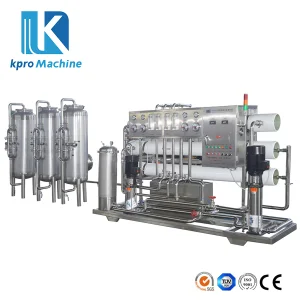
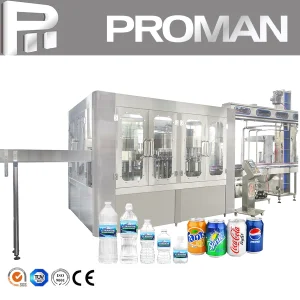
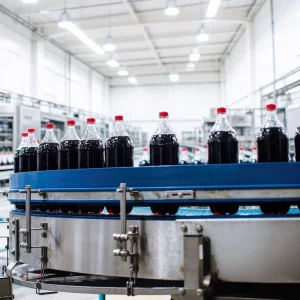
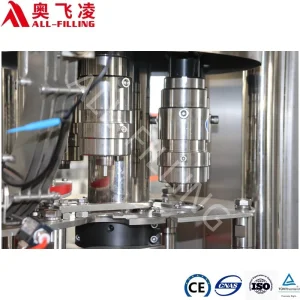
Ensuring complete line coverage and processing security for global distribution, compliant with rigid quality control regimes.
Connect with our technical engineers to construct high-yield, KC-compliant automated smart pet feeder and premium bottling lines tailored for the dynamic South Korean pet sector.
Send Inquiry Now PawEase Feeder