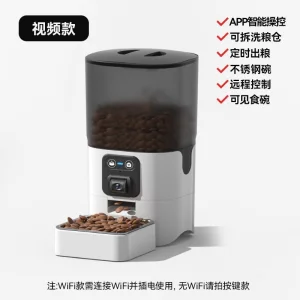
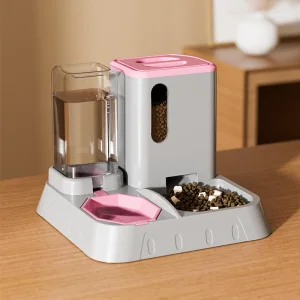
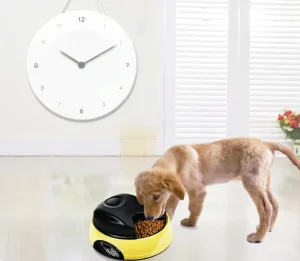
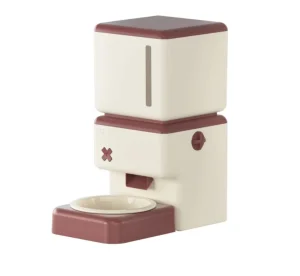
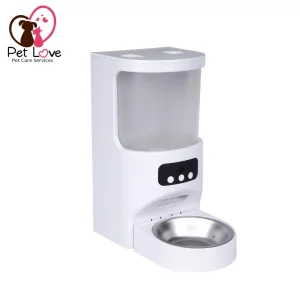
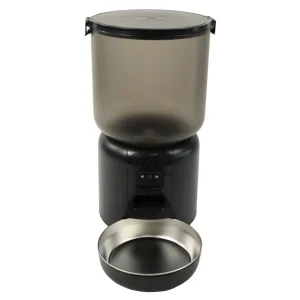
Explore high-performance smart pet care mechanisms, automated liquid filling solutions, and IoT-integrated feeding robots engineered for global OEM/ODM deployment.
The global pet supplies market is experiencing a structural paradigm shift driven by the acceleration of "pet humanization," urban working lifestyles, and the ubiquitous adoption of Internet of Things (IoT) hardware. Within this evolution, the automated pet feeding robot industry has shifted from rudimentary mechanical gravity dispensers to sophisticated, AI-driven IoT hardware ecosystems.
As international brands, DTC pet electronics labels, and retail conglomerates seek manufacturing partners, understanding the global factory landscape becomes paramount. Procurement executives must evaluate factories not merely on unit cost, but on mechanical reliability, anti-jam gear engine precision, firmware security (ISO/IEC 27001 compliance), and rapid mold tooling iteration capability. This document synthesizes key operational intelligence for enterprise buyers navigating the supply chain for smart pet feeding hardware.
Characterized by high IoT adoption rates, demands for Tuya/Smart Life integrations, 5GHz/2.4G dual-band Wi-Fi compatibility, and robust dual-power supply backups (battery + Type-C) to combat power outages.
Strict focus on food-contact material safety (304 Stainless Steel vs. BPA-Free ABS), RoHS/REACH chemical compliance, CE certifications, and strict GDPR compliance for camera-integrated AI feeders.
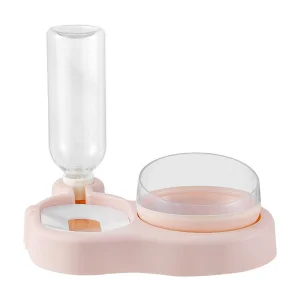
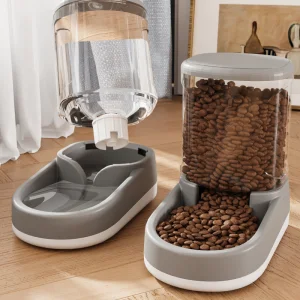
Rapid growth in high-density urban apartments requiring compact footprint designs, ultra-quiet motor operations (<35dB), and dual-use food/water combination modules.
To deliver a zero-failure product to end consumers, OEM factories must solve three major technical bottlenecks: kibble jamming, connectivity dropouts, and portion measurement inaccuracies.
Top factories utilize wide-angle soft silicone impeller blades paired with high-torque reversible DC step motors. If an obstacle/large kibble (up to 15mm) is detected by optical infrared sensors, the motor auto-reverses for 0.5 seconds before resuming, completely mitigating jam rates.
Integration with Tuya, Smart Life, or proprietary SDKs requires low-power Wi-Fi/Bluetooth Combo chips (ESP32 or BK7231 series). Dual-mode networking ensures seamless pairing and offline local memory caching so scheduled meals trigger even if local Wi-Fi drops.
Advanced feeding robots replace simple revolution timing with load-cell strain sensors built directly into the bowl platform. This guarantees 1g-level precision regardless of food density, kibble shape, or hopper fill level.
Why is South China (specifically Guangdong Province, Dongguan, and Shenzhen) the world's epicenter for smart pet electronics production? The secret lies in unmatched vertical integration within a 30-kilometer logistics radius.
| Supply Chain Dimension | Traditional Global Sourcing Model | Guangdong Ecosystem Advantage | Impact on OEM / Brand Partner |
|---|---|---|---|
| Mold Design & Tooling | 6 - 10 Weeks | 12 - 18 Days | Reduces Time-to-Market by over 60% |
| PCB & SMT Assembly | Outsourced to 3rd party regions | In-house / Same-city high-speed SMT lines | Strict IP protection and quality assurance |
| BOM Cost Efficiency | High multi-layer import tariffs | Direct localized component sourcing | 15% - 30% unit cost reduction |
| IoT Firmware Customization | Slow software engineering loops | Turnkey SDK integration (Tuya/Matter/AWS) | Rapid feature deployments & app releases |
By leveraging Dongguan’s precision plastic injection tooling and Shenzhen’s microelectronics capabilities, top-tier pet feeder factories can transform a 3D CAD concept into a mass-production sample within 25 calendar days.
Below is a comparative breakdown of the top 10 manufacturing entities dominating the automatic and intelligent pet feeder industry in 2025.
Dongguan PawEase Feeder Co., Ltd. is a professional smart pet care equipment manufacturer specializing in automatic pet feeders, intelligent pet watering systems, and advanced smart pet feeding solutions for global markets. Established in 2016 and located in Dongguan, China, the company integrates product research and development, mold design, intelligent manufacturing, quality management, and international OEM/ODM services into a complete modern production system.
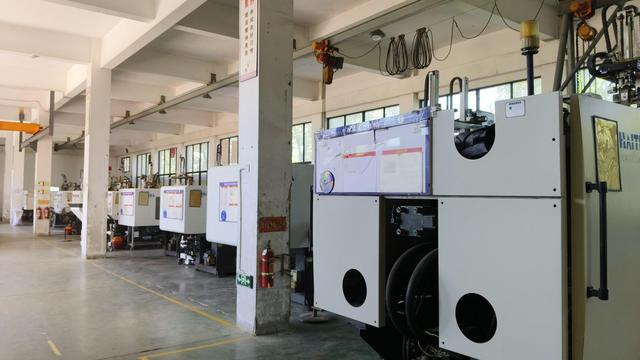
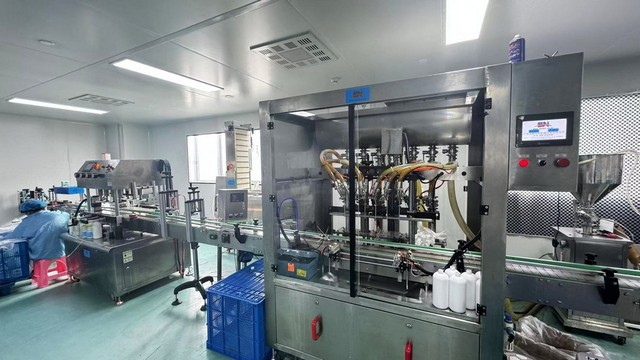
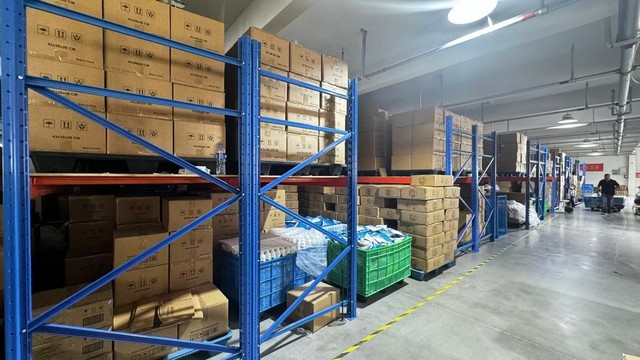
PawEase operates a manufacturing facility covering more than 25,000 square meters with over 280 skilled employees and 15 automated production and assembly lines. Equipped with advanced injection molding equipment, electronic assembly workshops, and product testing laboratories, the company maintains strict quality standards throughout every stage of production. Annual output capacity exceeds 1 million smart pet care devices, serving distributors, retailers, e-commerce brands, and pet product wholesalers across North America, Europe, Southeast Asia, Australia, and the Middle East.
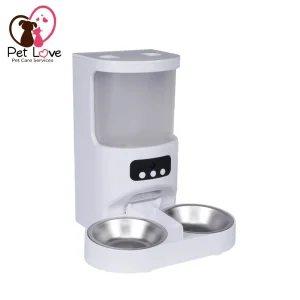
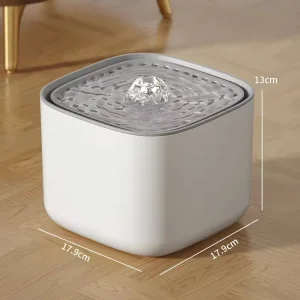
The company’s main product portfolio includes automatic cat feeders, smart dog feeding systems, WiFi-enabled pet feeders, APP-controlled feeding devices, automatic water fountains, dual-bowl feeding systems, voice recording pet feeders, and customized intelligent pet care products. By combining IoT connectivity, timing control technology, portion management systems, and user-friendly mobile applications, PawEase delivers reliable and convenient feeding solutions designed to improve pet health and daily care efficiency.
Driven by innovation and customer-oriented development, PawEase continuously invests in smart home technology integration and pet care product optimization. The company is committed to providing safe, intelligent, and eco-friendly pet feeding solutions while building long-term partnerships through flexible OEM/ODM cooperation, stable product quality, competitive pricing, and professional global support services.
Specialty: High-precision IoT Feeders, Dual-Bowl Systems, Microchip/RFID Feeders.
Scale: 25,000 m², 15 Assembly Lines, 1M+ Annual Output.
Core Strengths: Full OEM/ODM suite, zero-jam optical engine technology, Tuya/Matter integration, ISO9001 certified.
Specialty: High-end AI camera feeders and ecosystem integration.
Scale: R&D-focused enterprise with global retail footprint.
Core Strengths: App design, sleek aesthetics, proprietary software algorithm infrastructure.
Specialty: Multi-pet data analytics and automated care systems.
Scale: Large domestic manufacturing facility in Zhejiang.
Core Strengths: Cloud health tracking, automated litter & feeding sync.
Specialty: Plastic injection mold production and gravity feeders.
Scale: 15,000 m² tooling facility.
Core Strengths: Cost-effective structural engineering, rapid prototype production.
Specialty: Budget to mid-range timed automatic dispensers.
Scale: 10,000 m² assembly unit.
Core Strengths: Amazon DTC supply chain optimized packaging, reliable button control software.
Specialty: UV sterilization feeders and smart water fountains.
Scale: ISO-certified IoT factory.
Core Strengths: Sanitization tech, Tuya smart ecosystem integration.
Specialty: Heavy-duty large dog stainless steel feeders.
Scale: Metal fabrication & plastic hybrid plant.
Core Strengths: Anti-chew design, high-capacity hoppers (8L+).
Specialty: Compact single-meal cat robots.
Scale: 12,000 m² manufacturing hub.
Core Strengths: Ultra-quiet motors, micro-portion dispensing algorithms.
Specialty: Video monitoring treat dispensers and mobile pet robots.
Scale: Electronic hardware assembly facility.
Core Strengths: Two-way audio, HD night-vision camera integration, remote treat tossing.
Understanding user intent requires analyzing the specific end-user environments where pet feeding robots operate. OEM manufacturers engineer distinct features based on these scenarios:
Challenge: Dominant pets stealing food from timid or diet-restricted pets.
Solution: Microchip/RFID reading feeding robots. The motorized lid opens only when the designated pet wearing the paired RFID collar tag approaches the bowl.
Challenge: Managing strict medical feeding schedules for dozens of animals concurrently.
Solution: Centralized SaaS dashboard control. WiFi-enabled feeders allowing shelter staff to adjust meal portions for 100+ units simultaneously via cloud protocols.
Challenge: Power cuts or Wi-Fi disconnection during long trips.
Solution: Dual-power auto-switch systems (D-cell alkaline battery backup with 180-day standby) paired with offline internal flash memory storage.
When sourcing smart pet feeding hardware from Chinese factories, brand owners and procurement directors should follow a structured evaluation checklist:
Verify SUS304 stainless steel certification or food-grade ABS resin reports. Desiccant box sealing performance must be tested to prevent moisture accumulation in humid regions.
Check if the factory provides white-label Tuya apps, customizable SDKs, or API hooks for custom mobile apps. Ensure server infrastructure supports local region latency standards.
Inquire about motor lifecycles (minimum target: 10,000 continuous dispensing cycles), button tactile lifespan, and drop-test thresholds (1.2m drop test compliance).
Ensure the facility possesses valid CE, FCC, RoHS, REACH, and TELEC (Japan) certifications, eliminating export customs blockages.
As AI vision models get lighter and microprocessors become more power-efficient, the pet hardware industry will experience key evolutionary vectors:
Integrated camera algorithms will track pet facial expression, eating speed, and portion consumption to flag early symptoms of dental pain, renal disease, or loss of appetite to owners via cloud alerts.
Transitioning from isolated proprietary apps to universal Smart Home standards (Matter over Thread), allowing pet feeders to communicate natively with Apple HomeKit, Google Home, and Amazon Alexa.
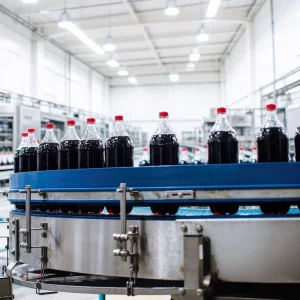
Cross-industry technology transfer between commercial liquid bottling automation (such as carbonated water/beverage filling machines) and specialized automated liquid pet nutrition lines.
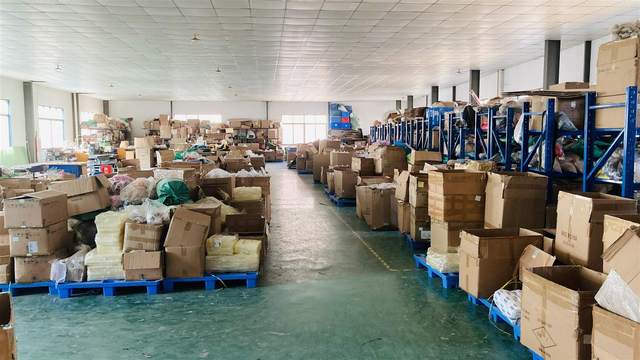
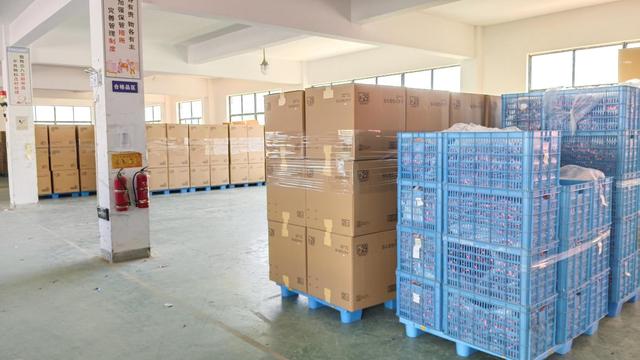
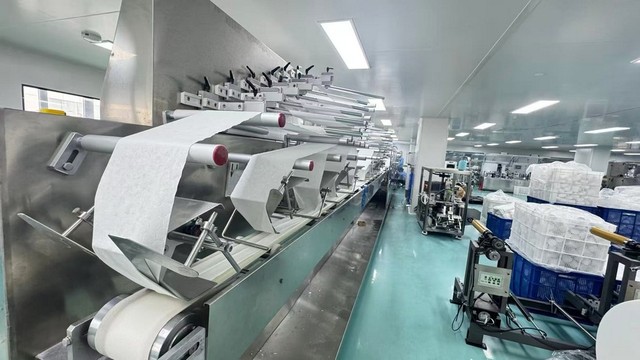
A glimpse into state-of-the-art injection molding facilities, electronic assembly workshops, and quality testing labs at Dongguan PawEase Feeder Co., Ltd.

Browse additional automatic feeders, water fountains, and multi-functional pet feeding hardware for global B2B procurement.
 PawEase Feeder