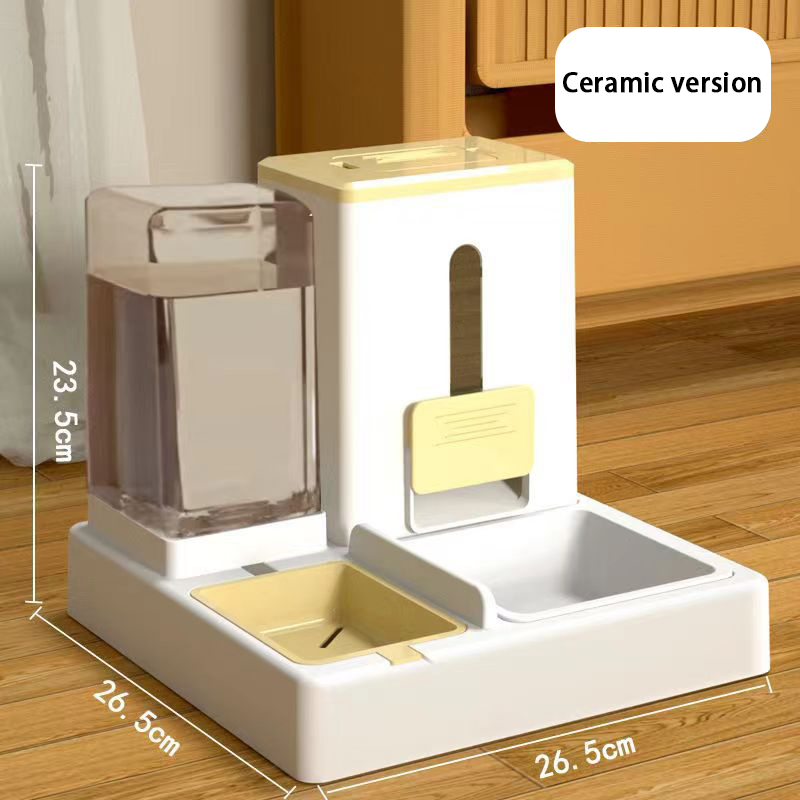
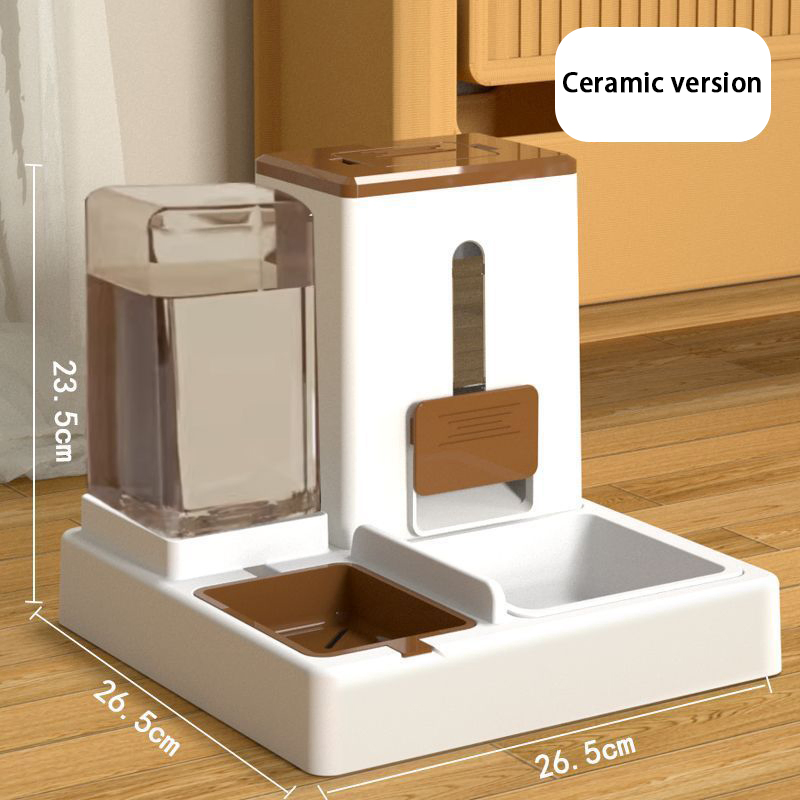
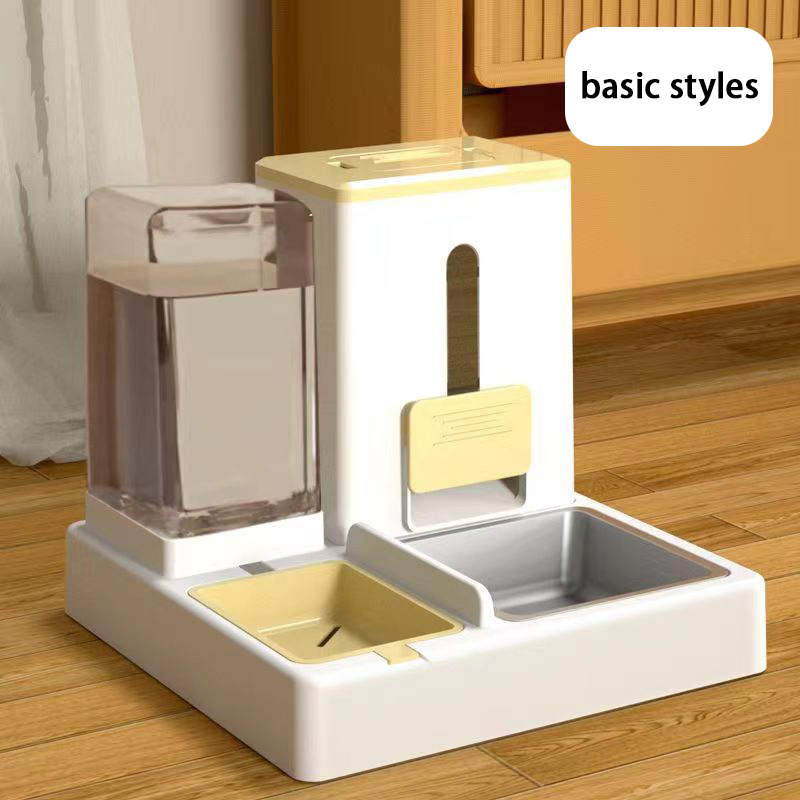
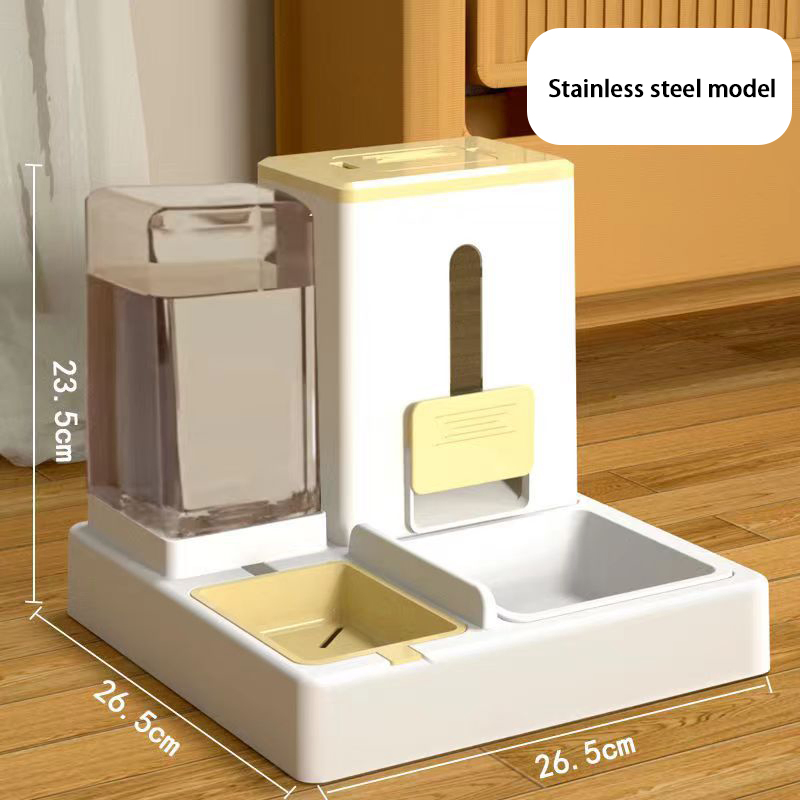
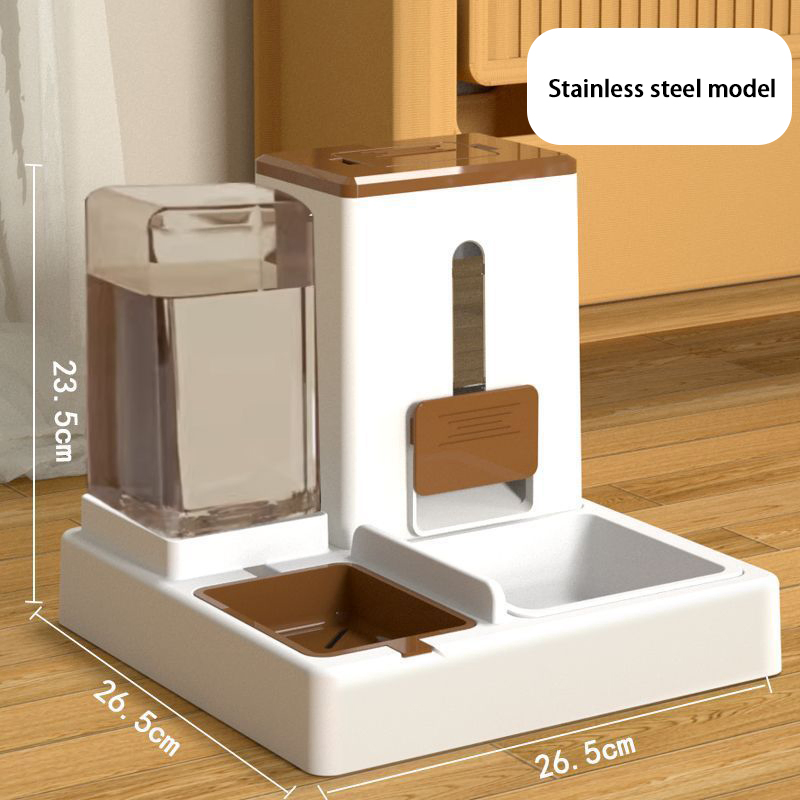
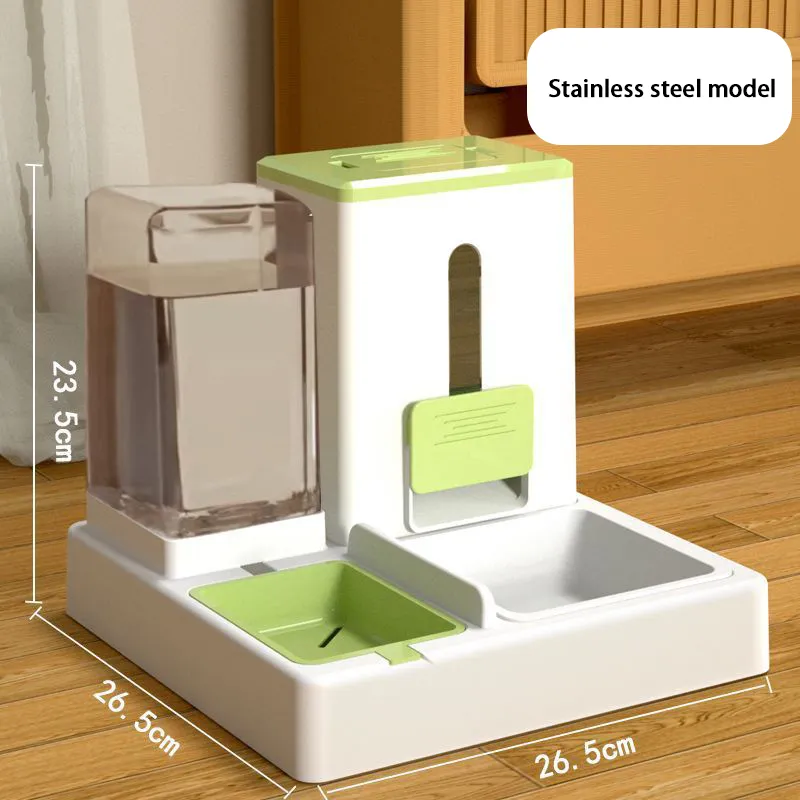
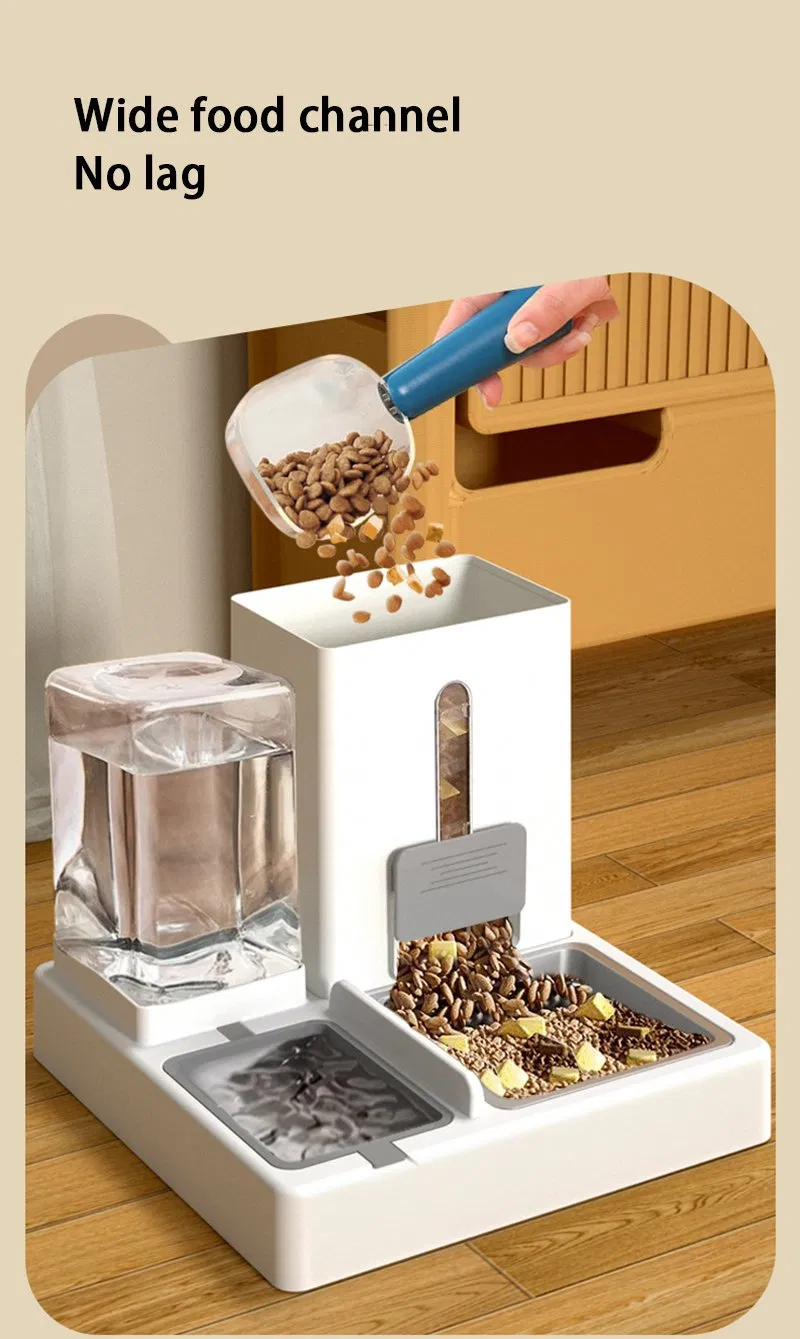
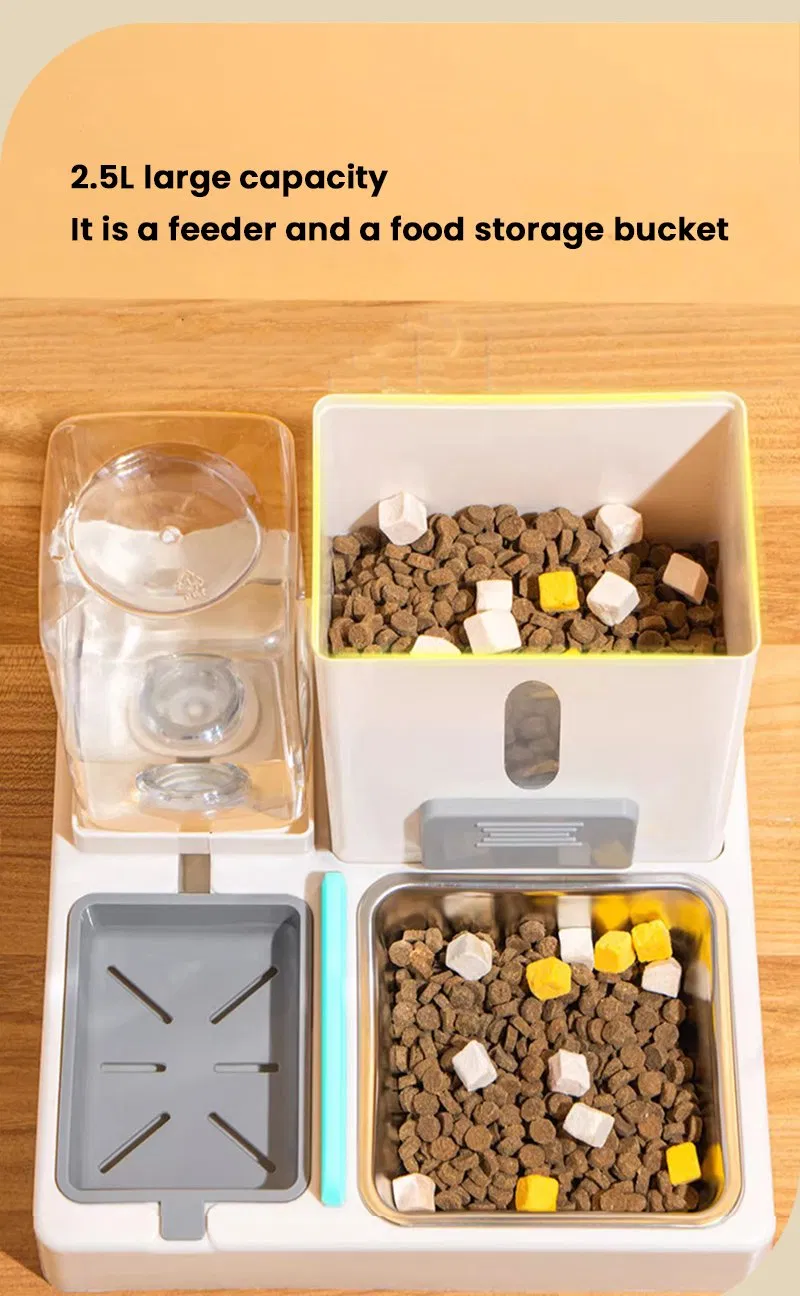
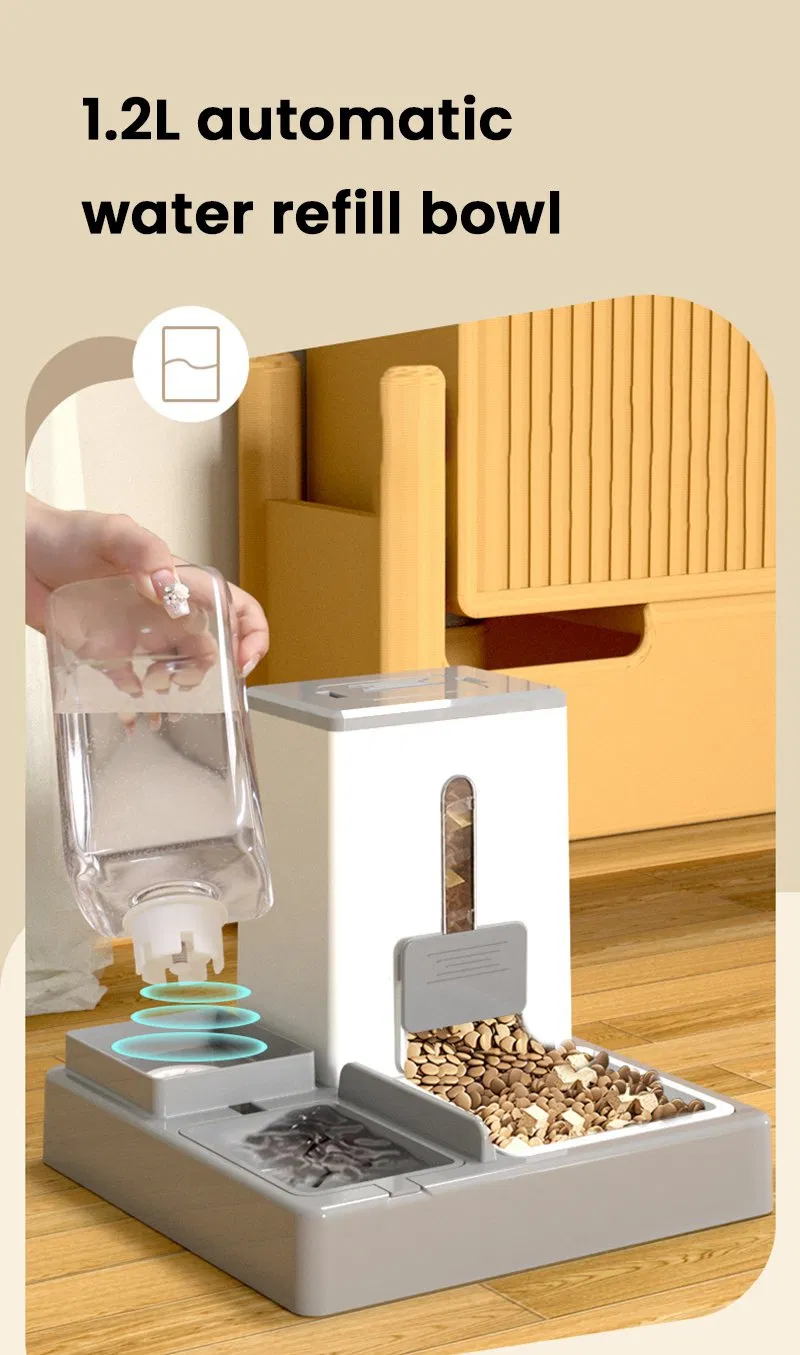
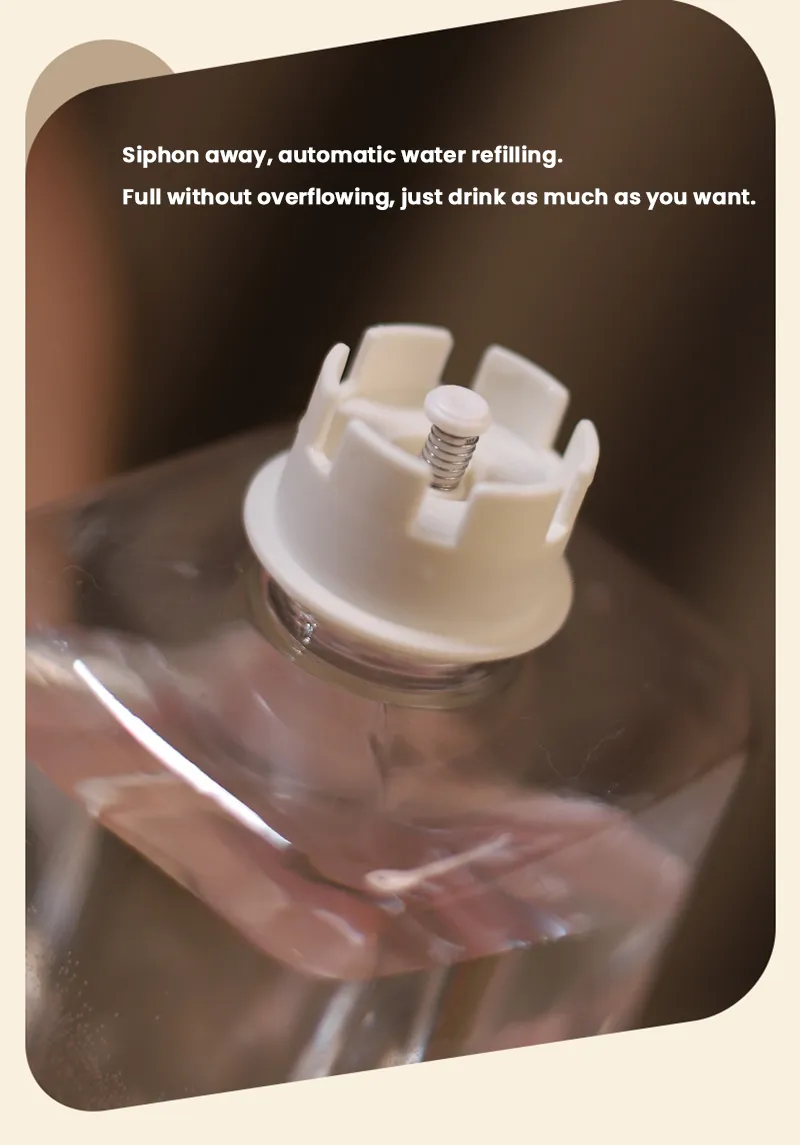
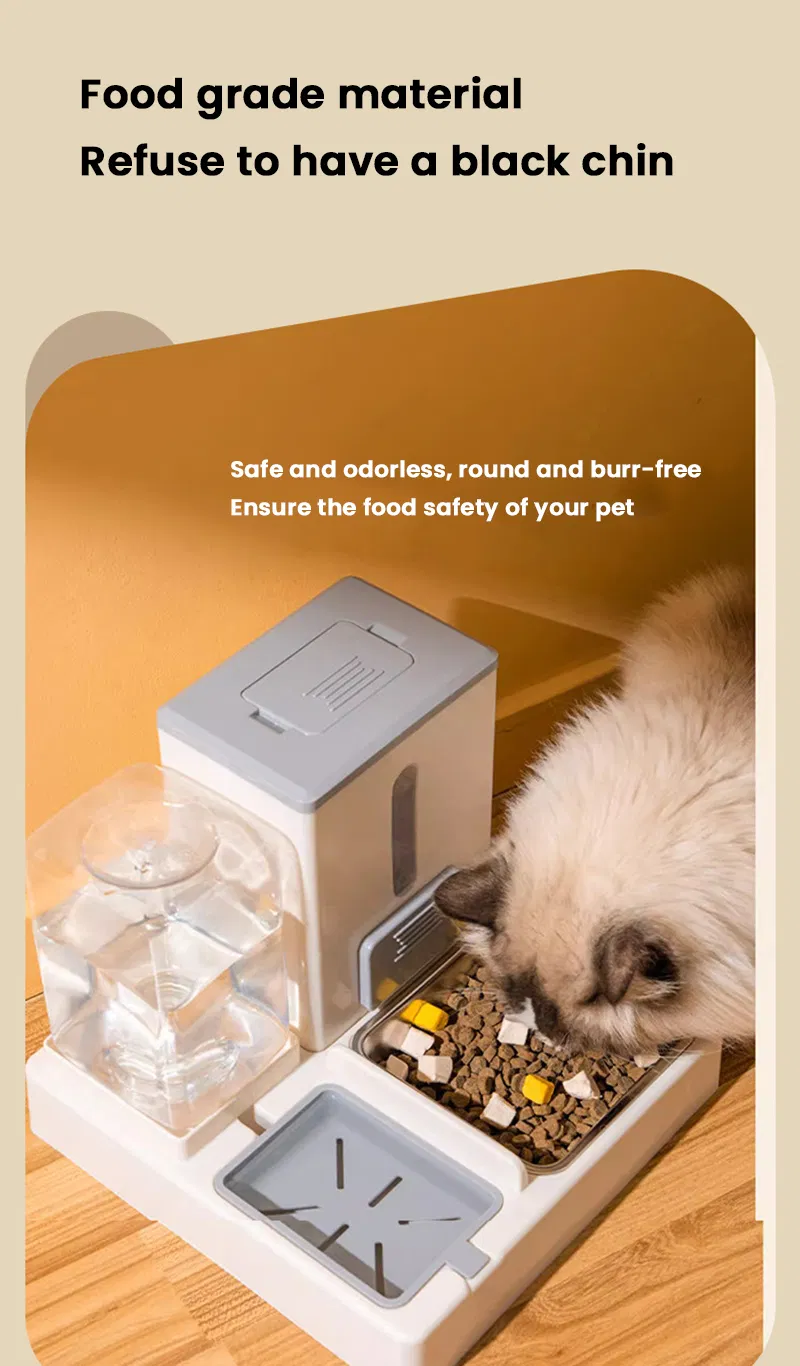
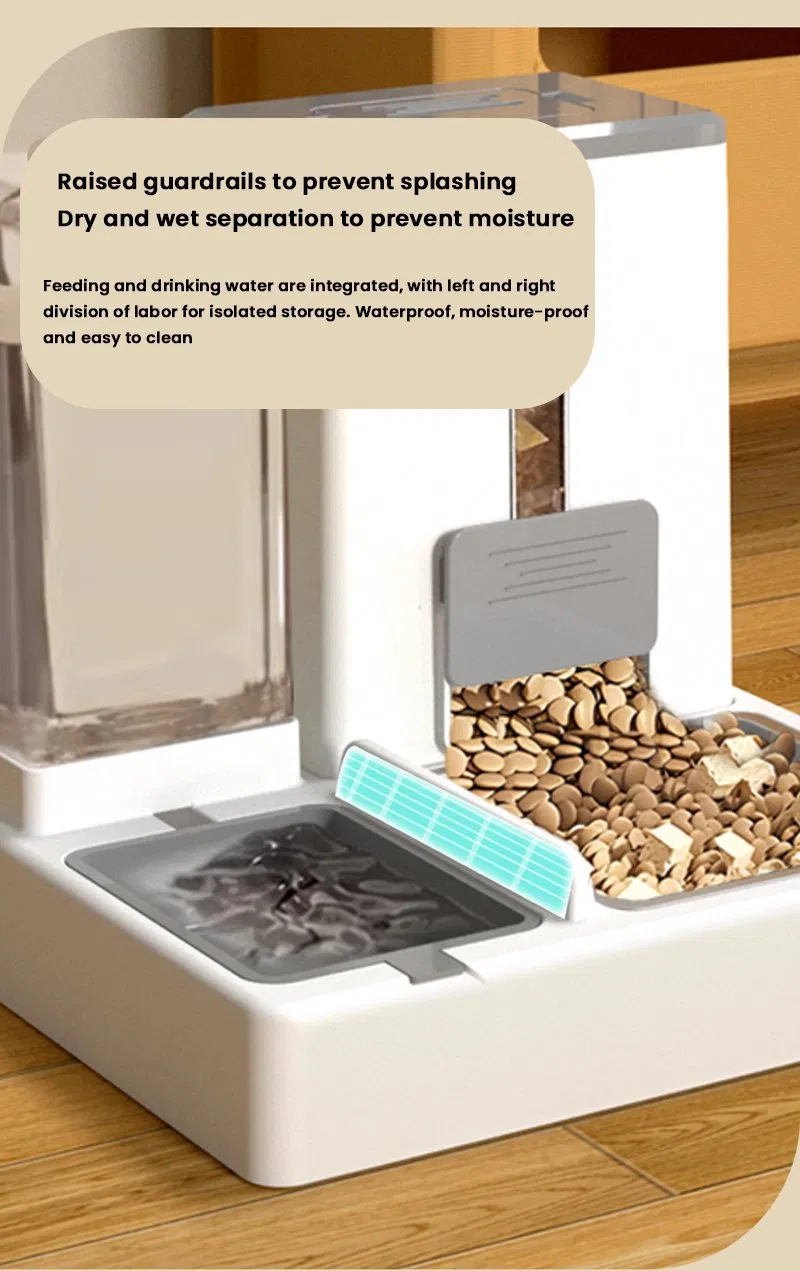
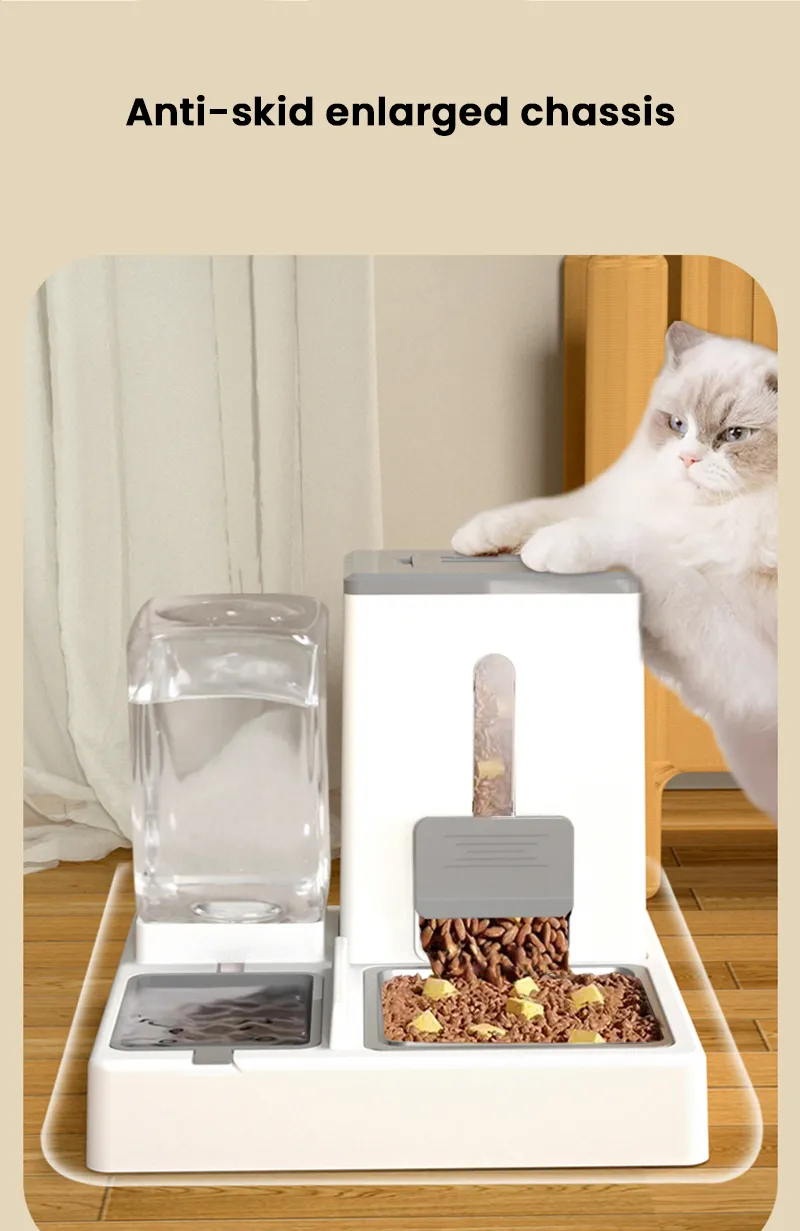
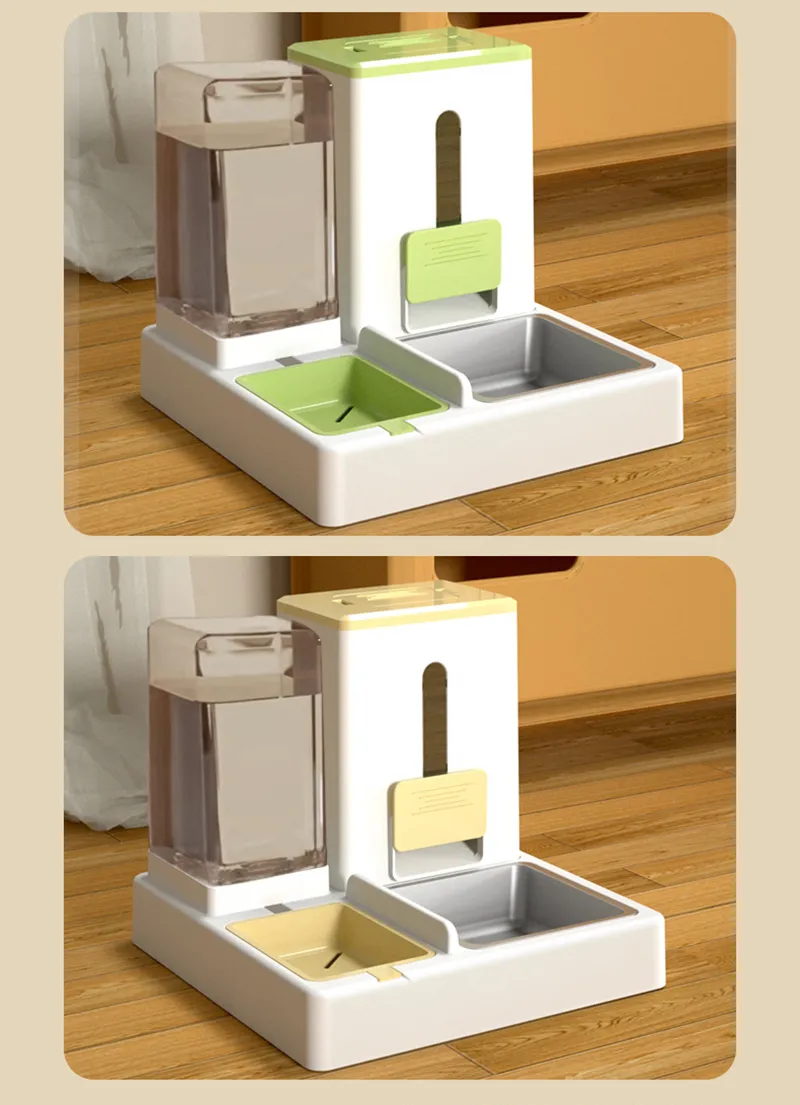
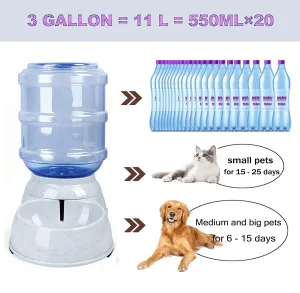
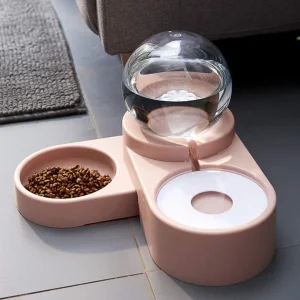
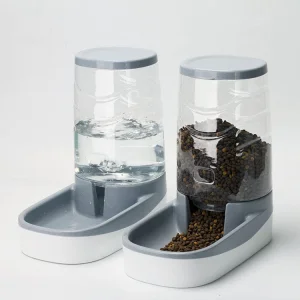
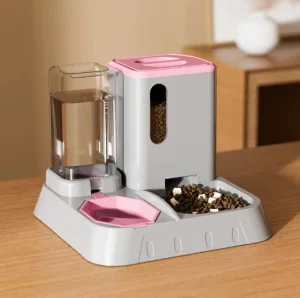
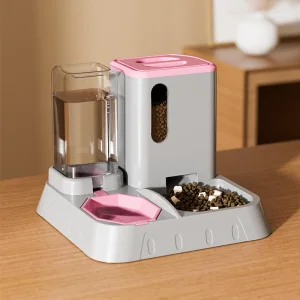
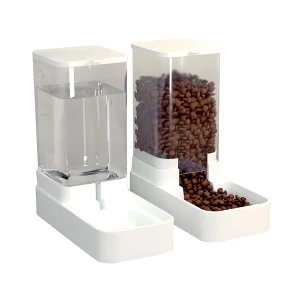
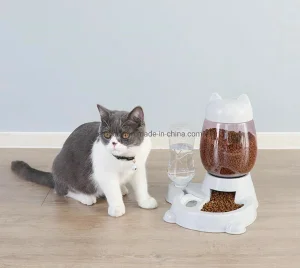
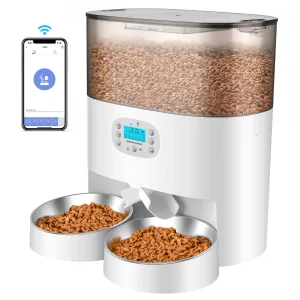
Place the feeder in a quiet, stable place to avoid disturbing your pet while he or she is eating. Make sure the feeder is at the right height for your pet, especially larger dogs.
Adding Food
Open the lid of the feeder or remove the food container. Add the appropriate amount of dry or wet food to the feeder, depending on how much your pet is eating. Avoid overfeeding to keep your pet healthy.
Keep it Clean
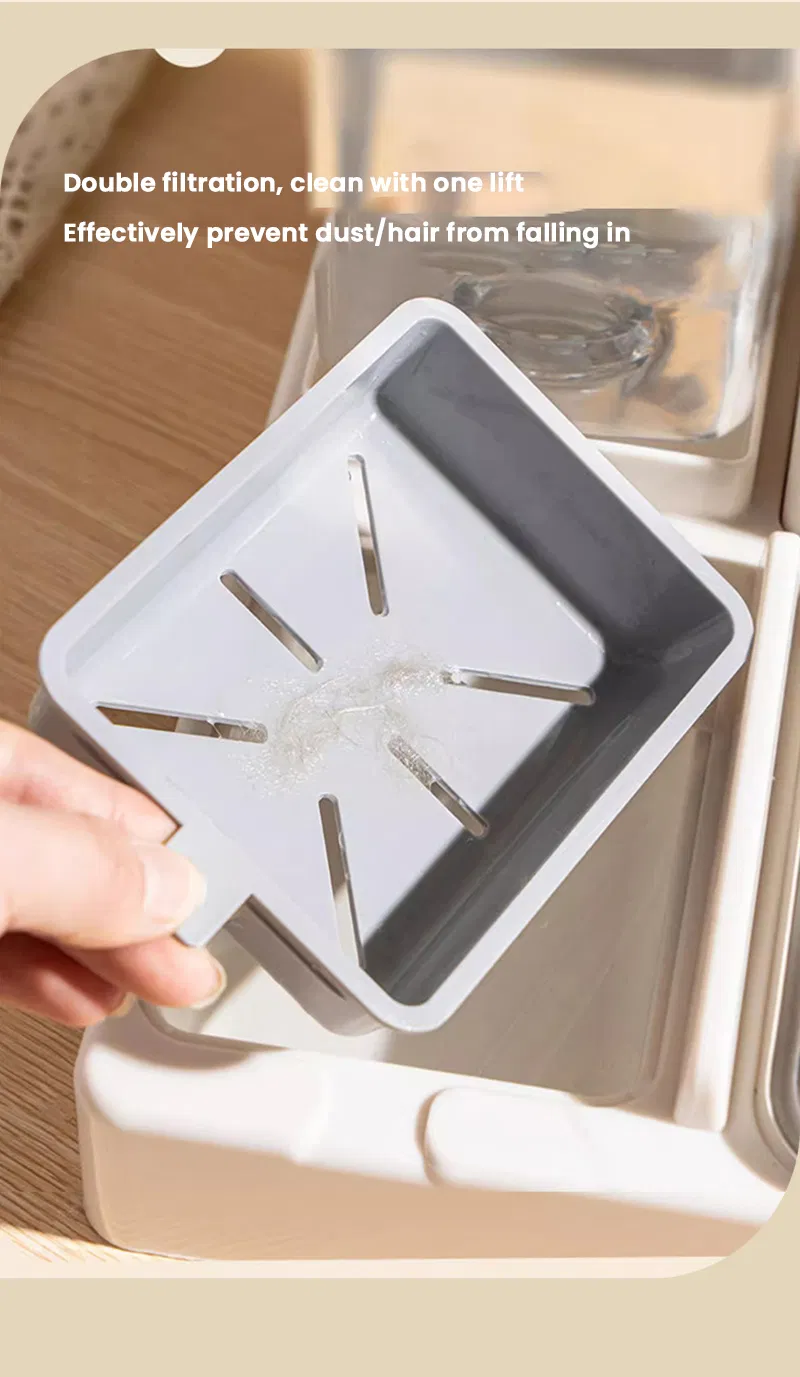
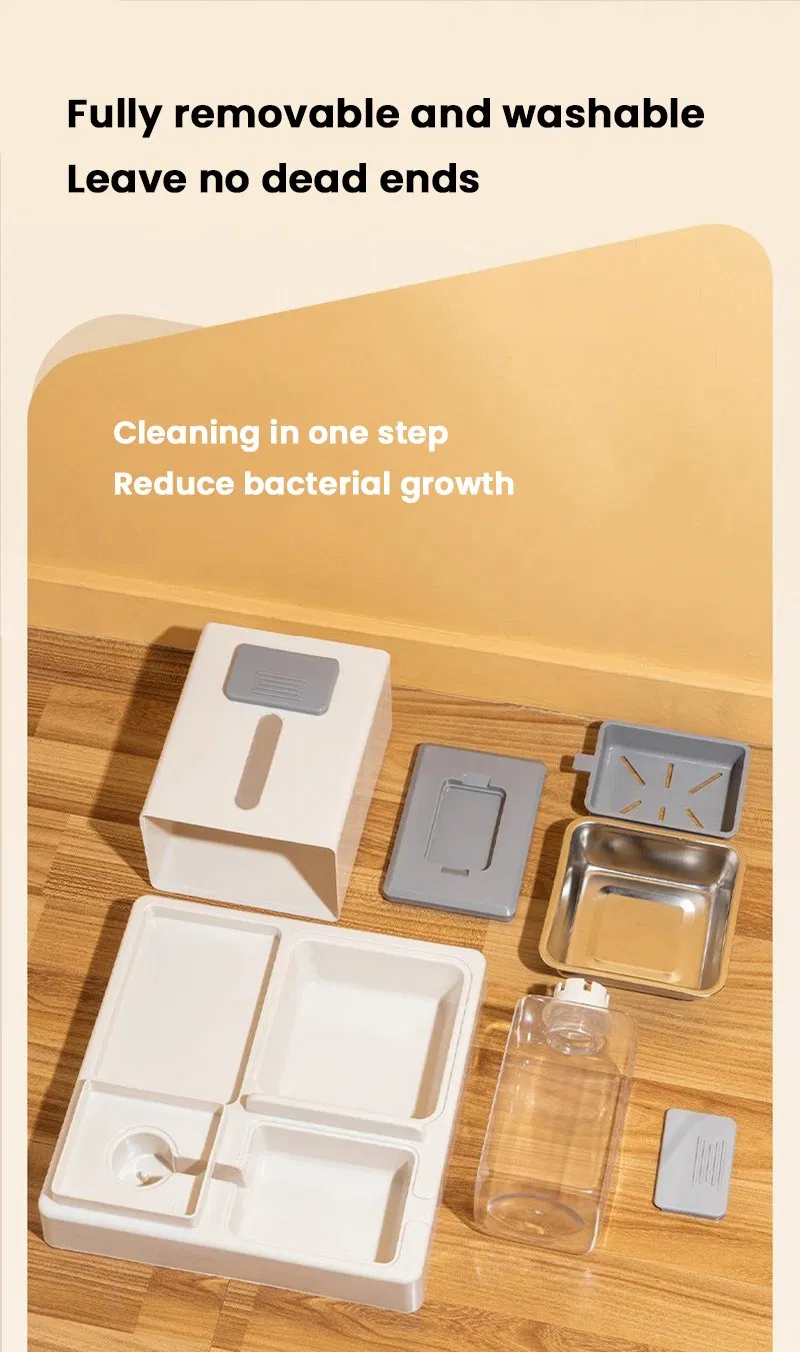
Clean the feeder regularly to ensure hygiene. Use warm water and mild detergents and avoid harsh chemicals. Food containers should be cleaned weekly to prevent bacterial growth.
Observe Meals
Observe your pet's eating habits to ensure they are eating properly. If you find that your pet is reluctant to eat, you may need to adjust the type of food or check the position of the feeder.
Regular Check
Check feeders for wear and tear to ensure they are structurally sound and to prevent injury to your pet. Make sure there are no food residues and keep the feeder clean.
Frequently Asked Questions
Q1: Where is the best place to set up the pet feeder?
The feeder should be placed in a quiet and stable location. This ensures your pet can eat comfortably without being disturbed or startled.
Q2: How do I determine the correct height for the feeder?
The height should be adjusted based on your pet's size. For larger dogs, ensure the feeder is elevated to a comfortable level to aid digestion and prevent neck strain.
Q3: Can I use both dry and wet food in this feeder?
Yes, you can add an appropriate amount of either dry or wet food depending on your pet's dietary requirements. Be sure to clean the container more frequently if using wet food.
Q4: How often should the food containers be cleaned?
To maintain hygiene and prevent bacterial growth, it is recommended to clean the food containers thoroughly at least once a week using warm water and mild detergent.
Q5: What should I do if my pet is not eating from the feeder?
First, check the placement of the feeder to ensure it's in a quiet area. You may also need to try different types of food or check if the feeder requires cleaning.
Q6: How do I ensure the safety of the feeder over time?
Regularly inspect the feeder for any signs of wear and tear. Ensure the structure remains sound and clear any food residue to prevent contamination and potential injury.