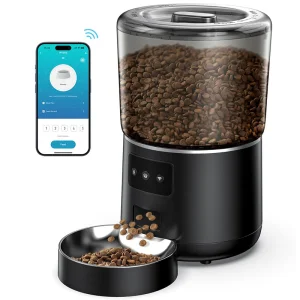
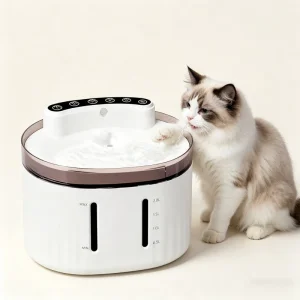
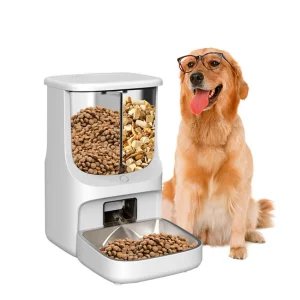
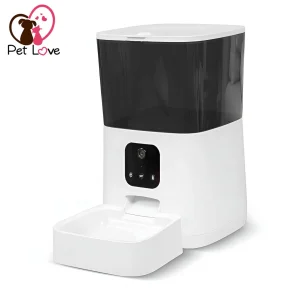
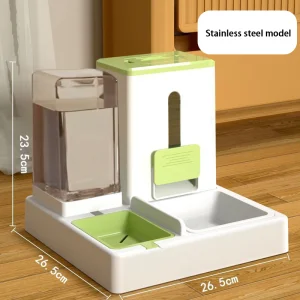
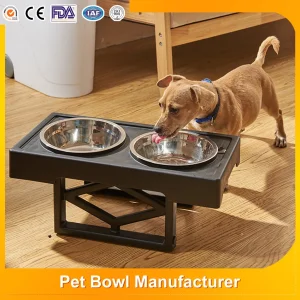
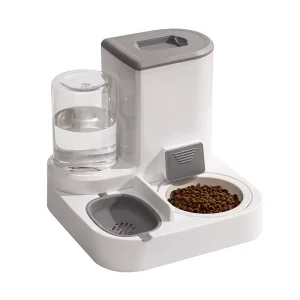
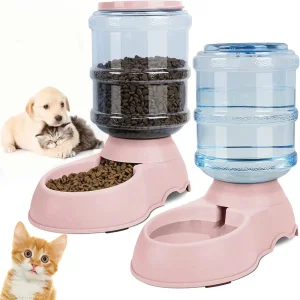
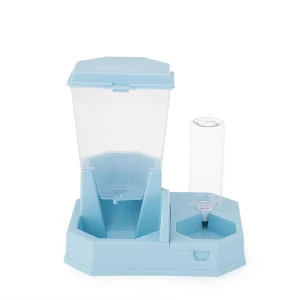
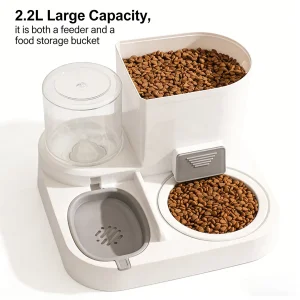
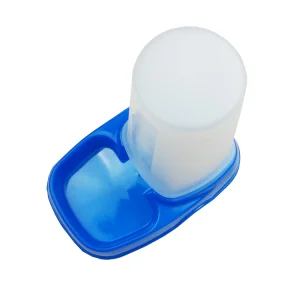
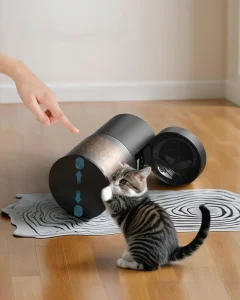
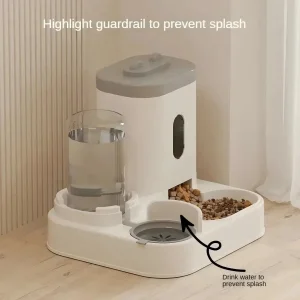
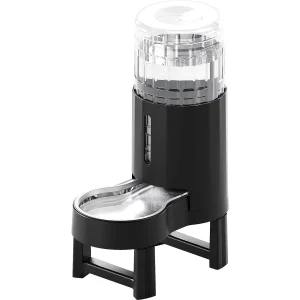
Discover our highly requested smart pet feeders engineered to meet strict Canadian commercial retail and B2B requirements.
An Industry Whitepaper on Market Drivers, Technical Specifications, and Supply Chain Infrastructure
The Canadian pet care sector is undergoing a profound structural evolution. Driven by rapid urban concentration in metropolitan hubs like Toronto, Vancouver, Montreal, and Calgary, pet ownership models have shifted. Today's Canadian pet parents are highly professionalized individuals who seek balance between demanding careers and attentive pet stewardship. Prolonged commutes, combined with severe winter weather conditions that frequently restrict outdoor mobility, demand highly reliable, large-capacity interior pet feeding solutions.
According to current Canadian pet industry data, approximately 58% of households nationwide share their lives with a cat or dog. Unlike smaller suburban European markets, Canada’s vast geographic scale means logistics pipelines must manage heavy, bulky pet food supply systems efficiently. B2B importers, major distributors, and specialized pet retail platforms such as Pet Valu, Mondou, and Amazon.ca are actively seeking premium tier equipment. Key needs include massive hopper capacities (typically 5L up to 10L), strict compliance with local electronic frequency standards, and resilient physical engineering that resists chewing from larger dog breeds, like Golden Retrievers and Labrador Retrievers, which represent a significant segment of the local pet population.
For international sourcing directors, buying agencies, and enterprise brands looking to secure direct factory-to-warehouse OEM/ODM agreements, product safety and structural integrity are paramount. Commercial procurement cycles require rigorous evaluation parameters that extend beyond basic aesthetic properties. Enterprise buyers prioritizing product longevity analyze several key technical domains:
Ensuring operational durability, structural precision, and frictionless regulatory clearance across all Canadian provinces.
Equipped with state-of-the-art dual-band Wi-Fi (2.4GHz + 5GHz) and BLE chipsets. Fully compatible with Tuya, Smart Life, and major smart home ecosystems. Secure Over-The-Air (OTA) firmware deployment ensures continuous functionality updates.
Our manufacturing and engineering systems strictly comply with Canadian Standards Association (CSA) guidelines, Innovation, Science and Economic Development Canada (ISED) IC standards, and FCC requirements.
Enclosures are molded using premium-grade ABS and polycarbonate resins. High-wear components feature SUS304 food-grade stainless steel to resist bacterial growth and scratching.
Our entire processing workflow, from initial mold design to high-pressure injection molding and ultrasonic welding, conforms to the rigorous toxicological safety directives set by Health Canada. This guarantees zero migration of chemical agents into dry pet food over time.
Canadian winters demand robust electrical systems. Our control circuitry integrates thermal management elements and uses high-grade capacitors tested to function flawlessly down to -30°C. This is a critical requirement for outdoor, porch, or rural cottage installations across Canada.
To maintain a competitive edge, pet care electronics must evolve beyond simple pre-scheduled dispensing. The integration of advanced diagnostics and nutritional monitoring represents the next phase of development. At PawEase, our ongoing product development initiatives focus on three key growth areas:
Dongguan PawEase Feeder Co., Ltd. is a leading manufacturer of smart pet care equipment. We specialize in automatic pet feeders, intelligent pet watering systems, and advanced feeding solutions for global markets. Established in 2016 in Dongguan, China, we integrate product research and development, mold design, intelligent manufacturing, quality management, and international OEM/ODM services into a cohesive production system.
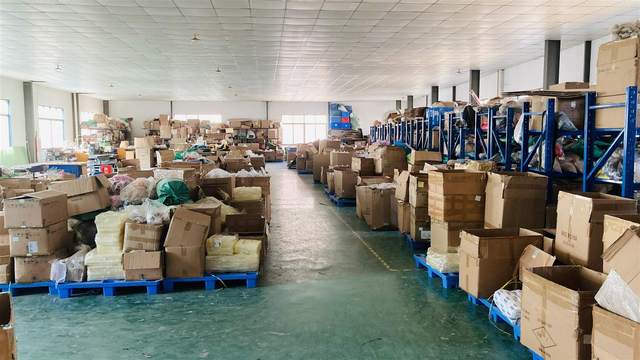
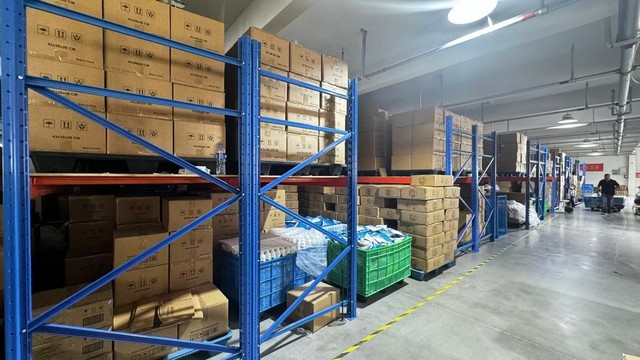
We operate a 25,000-square-meter manufacturing facility, staffed by over 280 skilled professionals across 15 automated assembly and production lines. Equipped with advanced injection molding machines, electronic assembly workshops, and comprehensive product testing labs, we maintain rigorous quality standards throughout every stage of production. Our annual capacity exceeds 1 million smart devices, allowing us to reliably serve major distributors, retail chains, e-commerce brands, and wholesale channels across North America, Europe, Southeast Asia, Australia, and the Middle East.
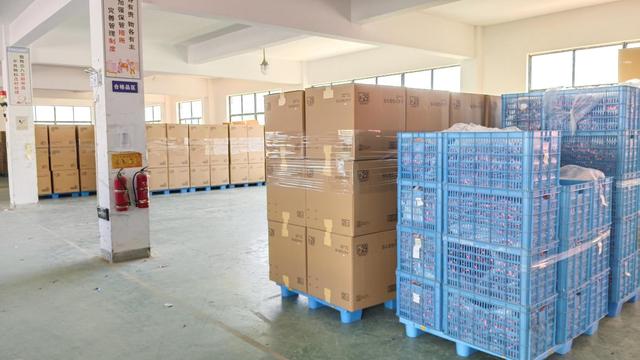
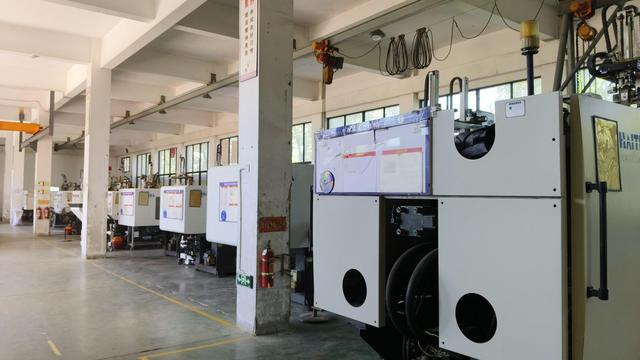
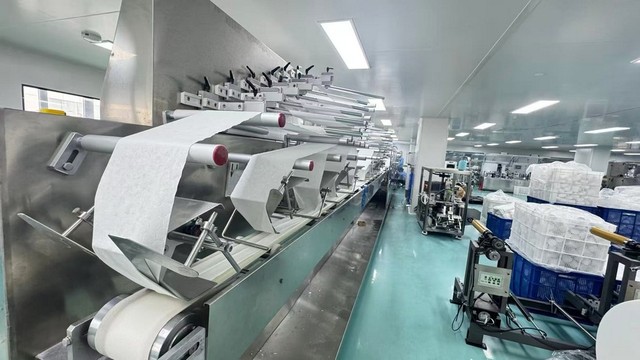

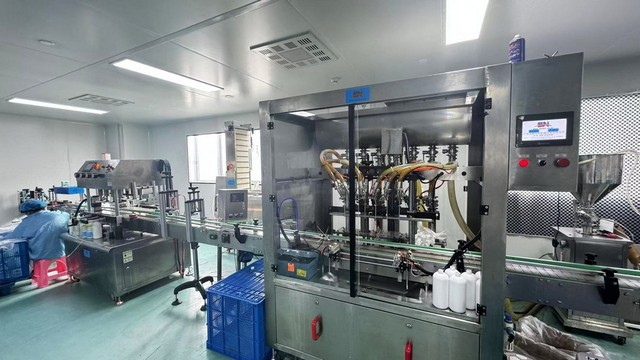
Addressing standard logistical, engineering, and manufacturing questions for enterprise partners importing into the Canadian market.
Examine the complete suite of our high-volume pet maintenance systems designed for domestic and industrial distribution models in Canada.
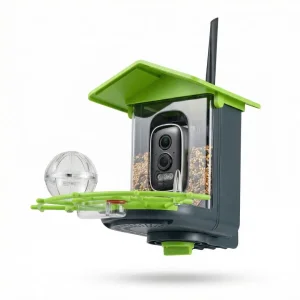
 PawEase Feeder