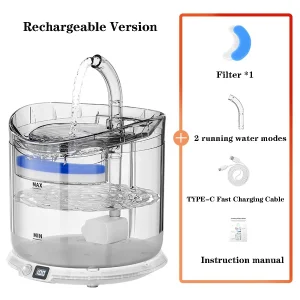
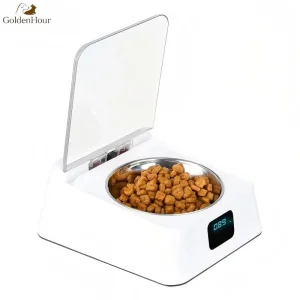
Explore our premium range of smart watering systems, automatic feeders, and integrated domestic pet care systems designed to boost user retention and build brand equity.
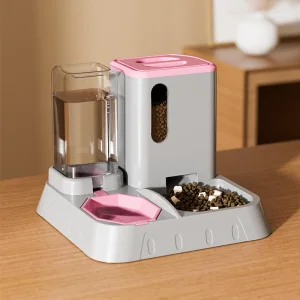
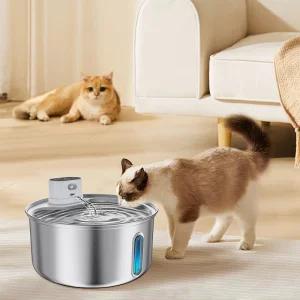
An executive analysis of IoT hardware engineering, pet parent demographics, regional compliance protocols, and technical advancements driving global brand value.
The global pet technology market has evolved from static feeding bowls to highly interactive, cloud-based ecosystems. According to recent market analysis, the global smart pet care market size is projected to exceed USD 25 billion by 2030, registering a compound annual growth rate (CAGR) of over 15%. This surge is heavily supported by urbanization, the humanization of domestic pets, and the necessity of remote pet monitoring due to the resumption of corporate office work.
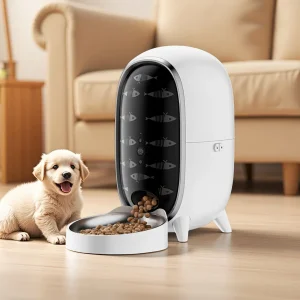
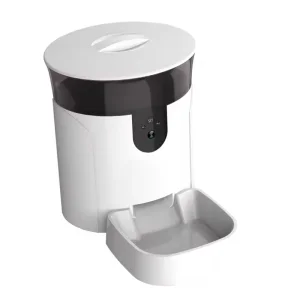
At the industrial level, a camera monitoring pet feeder represents a complex cross-disciplinary architecture. It integrates precision optical assembly, mechanical engineering, IoT firmware development, high-frequency antenna optimization, and food-safe material processing. Enterprise brands sourcing these units require a manufacturing partner capable of handling multi-cavity injection molding, high-performance SMT processes for motherboard fabrication, and extensive RF testing to ensure reliable connectivity across disparate global ISPs.
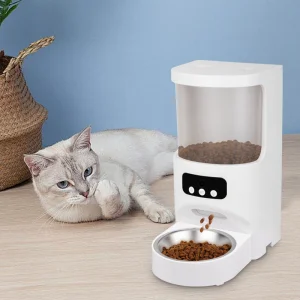
An excellent camera-assisted automatic feeder resolves two persistent pain points: food jams and video latency. Leading manufacturers construct feeding assemblies using industrial-grade silicone impellers and adaptive high-torque DC geared motors. When infrared photo-sensors detect an obstruction at the outlet port, the firmware triggers an automatic counter-rotation sequence to dislodge the kibble.
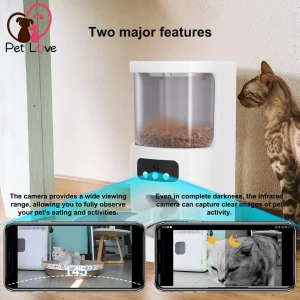
On the optical side, integration of 1080P FHD lenses with 130-degree wide angles is standard. Advanced firmware implements HDR (High Dynamic Range) to combat uneven indoor lighting, and high-performance IR LEDs provide discrete 850nm night vision. The video feed uses H.265 compression protocols to reduce bandwidth overhead, enabling real-time WebRTC audio-video streaming with under 500ms latency globally.
Operational challenges differ by geographic region, prompting tailored localization features:
The next generation of smart pet hardware focuses heavily on Edge AI capabilities. Rather than uploading heavy video feeds to the cloud for processing, localized NPUs (Neural Processing Units) embedded in the feeder's main PCB will detect pet behavior, count chewing motions, log daily consumption patterns, and alert owners to potential dental or digestive issues.
Moreover, integration with wearable pet devices (like smart collars) is becoming common. Through Bluetooth Low Energy (BLE) protocols, the feeder can scan the pet's collar tag to adjust portion sizes based on their dynamic activity levels.
A premier intelligent pet care equipment manufacturer combining high-volume production capabilities with rigorous quality engineering.
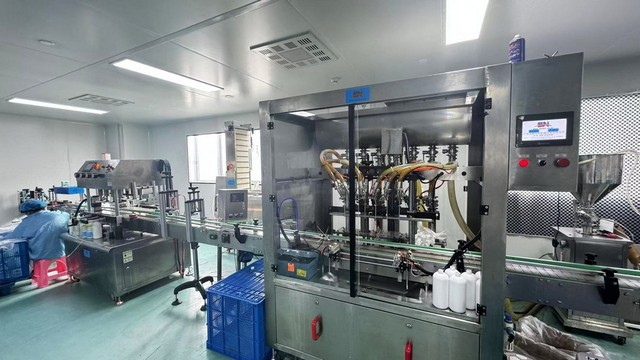
Dongguan PawEase Feeder Co., Ltd. is a professional smart pet care equipment manufacturer specializing in automatic pet feeders, intelligent pet watering systems, and advanced smart pet feeding solutions for global markets. Established in 2016 and located in Dongguan, China, the company integrates product research and development, mold design, intelligent manufacturing, quality management, and international OEM/ODM services into a complete modern production system.
PawEase operates a manufacturing facility covering more than 25,000 square meters with over 280 skilled employees and 15 automated production and assembly lines. Equipped with advanced injection molding equipment, electronic assembly workshops, and product testing laboratories, the company maintains strict quality standards throughout every stage of production. Annual output capacity exceeds 1 million smart pet care devices, serving distributors, retailers, e-commerce brands, and pet product wholesalers across North America, Europe, Southeast Asia, Australia, and the Middle East.
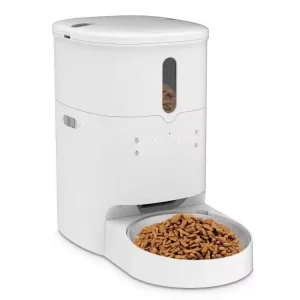
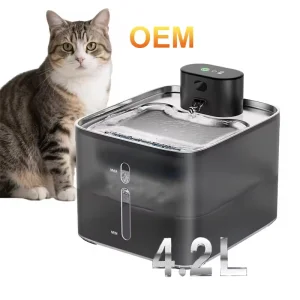
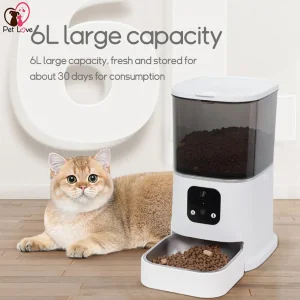
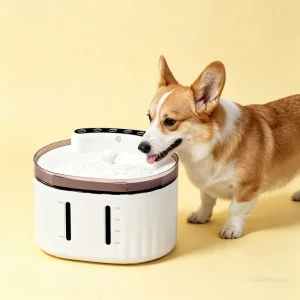
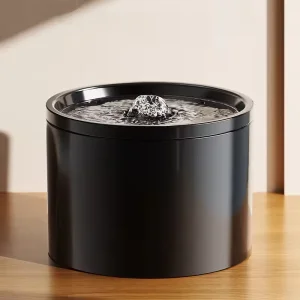
The company’s main product portfolio includes automatic cat feeders, smart dog feeding systems, WiFi-enabled pet feeders, APP-controlled feeding devices, automatic water fountains, dual-bowl feeding systems, voice recording pet feeders, and customized intelligent pet care products. By combining IoT connectivity, timing control technology, portion management systems, and user-friendly mobile applications, PawEase delivers reliable and convenient feeding solutions designed to improve pet health and daily care efficiency.
Driven by innovation and customer-oriented development, PawEase continuously invests in smart home technology integration and pet care product optimization. The company is committed to providing safe, intelligent, and eco-friendly pet feeding solutions while building long-term partnerships through flexible OEM/ODM cooperation, stable product quality, competitive pricing, and professional global support services.

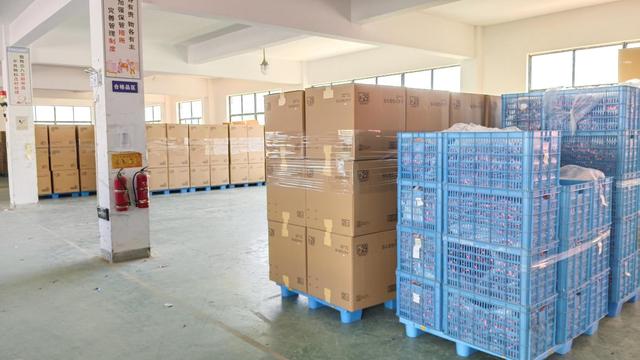
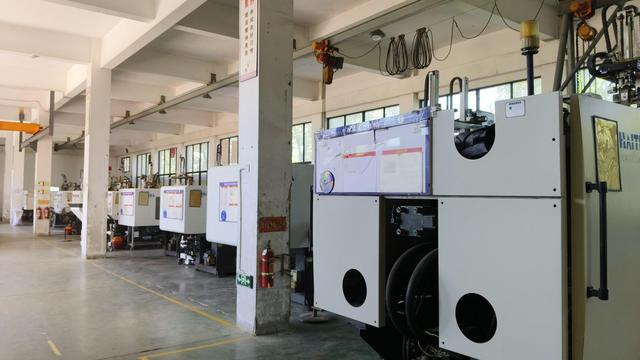
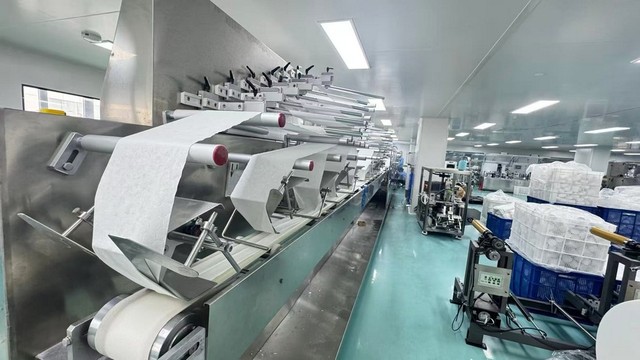


Technical guidance and commercial explanations for brands looking to expand their IoT smart pet care portfolios.
Advance your market presence with our highly reliable smart feeders, camera-equipped dispensers, and high-efficiency water fountains.
 PawEase Feeder