Engineered to prevent feeding anomalies, regulate pet diets, and guarantee flawless hardware-software interoperability.

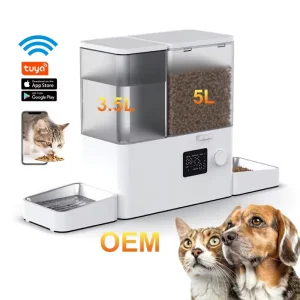
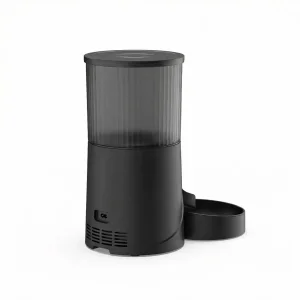
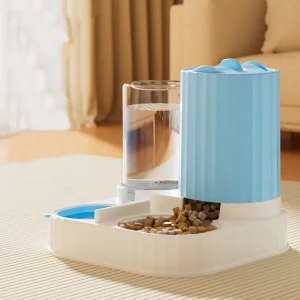
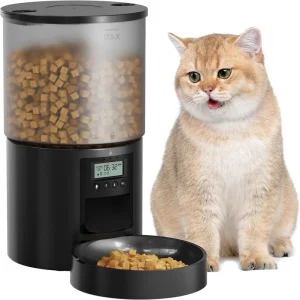
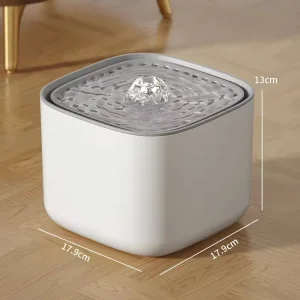
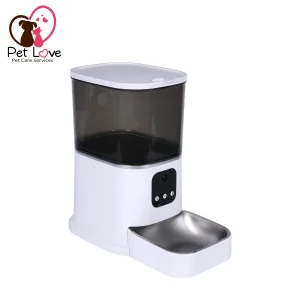
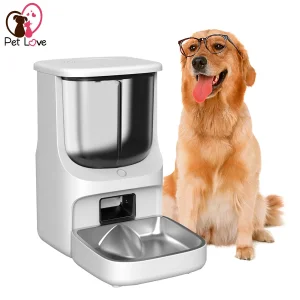
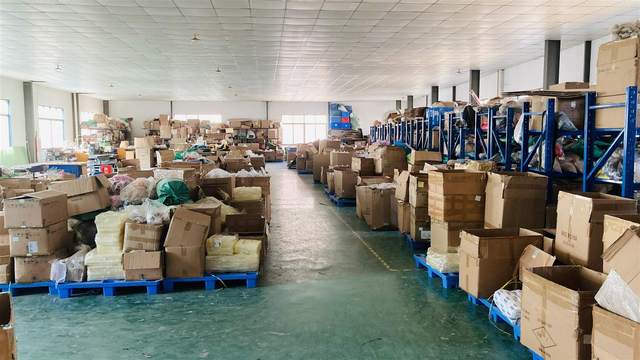
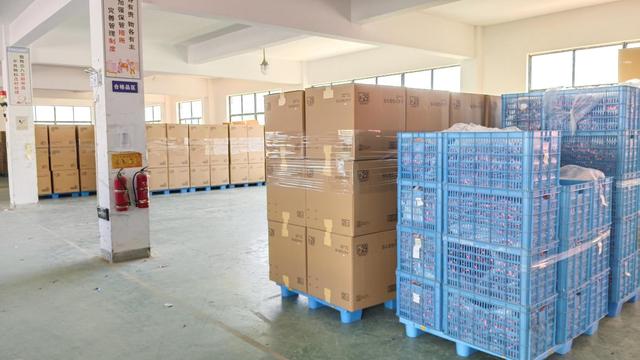
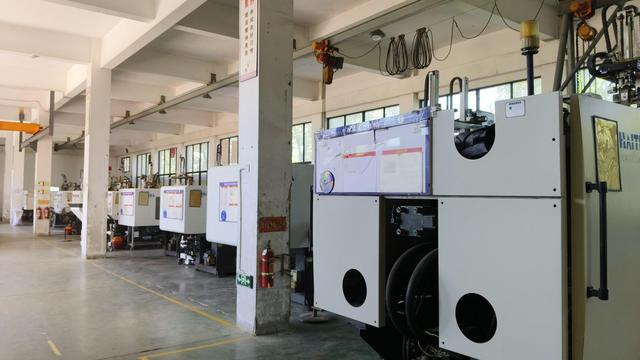
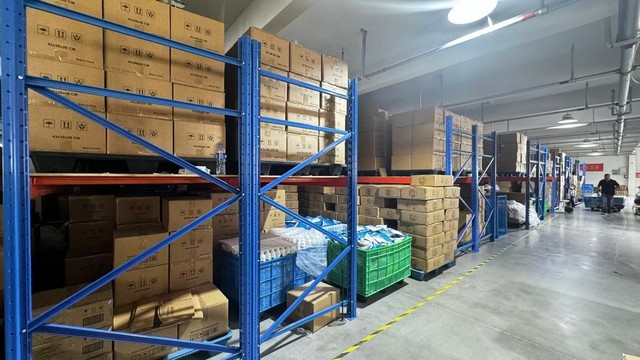
Established in 2016 in the industrial technology hub of Dongguan, Dongguan PawEase Feeder Co., Ltd. has emerged as a vanguard in the research, development, and scalable production of intelligent pet care systems. Spanning a state-of-the-art manufacturing facility of over 25,000 square meters, we drive pet health forward by designing systems that combine precise weight-based dosing, IoT remote telemetry, and multi-pet management.
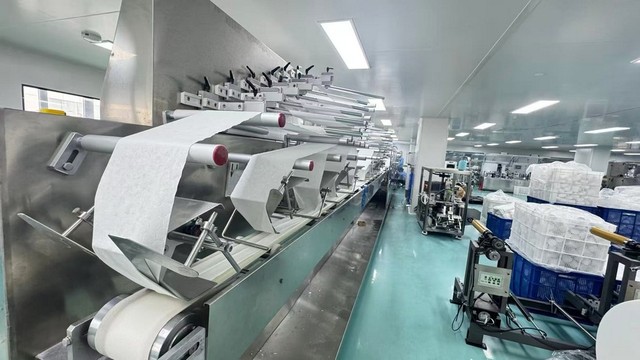
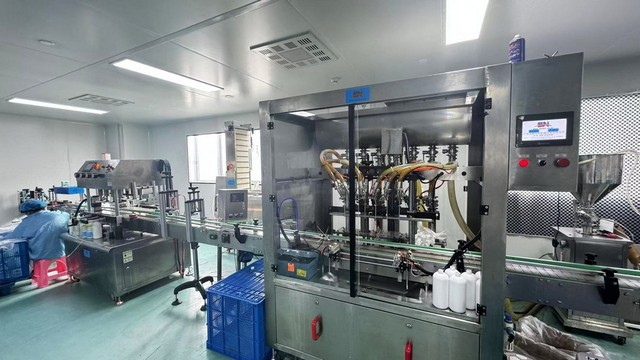
Equipped with 15 highly automated assembly lines, advanced injection molding complexes, dust-free PCBA electronic workshops, and dedicated QA laboratories, our corporate infrastructure is built to support the high standards of global OEM/ODM distributors. Our workforce of over 280 skilled engineers and quality control officers produces over 1 million smart pet units annually, feeding companion animals reliably in North America, Europe, Southeast Asia, Australia, and the Middle East.
Analyzing macro trends, medical guidelines, and economic factors driving the demand for automated portion control systems worldwide.
Over 56% of dogs and 60% of cats globally are classified as overweight or obese by veterinary associations. Excessive calorie intake leads directly to Type II Diabetes, severe osteoarthritis, and cardiovascular diseases. Traditional gravity feeding options are no longer viable; modern veterinarians prescribe precise weight-based portion control to manage metabolic rates and increase pet life expectancy.
Worldwide, consumers are connecting their entire living spaces to unified hubs. The smart pet accessory vertical is growing at a CAGR of 14.3%. High-income households expect pet care devices to sync with household platforms like Tuya, Alexa, and Google Assistant. Real-time data logging, push notifications for missed meals, and remote portion customization are now standardized market requirements.
Building premium smart hardware requires a highly concentrated industrial ecosystem. China, and specifically the Pearl River Delta (Dongguan/Shenzhen), offers immediate access to raw polymer materials, high-precision injection molds, IoT chipsets, and experienced electronic engineers. Distributors rely on manufacturers like PawEase to bypass component shortages and control landed costs.
The technological landscape of pet feeding is rapidly transitioning from passive, gravity-dependent dispensers to high-intelligence edge systems.
In multi-pet environments, food dominance is a frequent challenge. Advanced portion control systems now integrate RFID (Radio Frequency Identification) microchip sensors. The food receptacle remains sealed until the designated cat or dog wearing the corresponding collar tag approaches. This ensures tailored diet plans are adhered to without cross-contamination or resource guarding.
Historically, dispensers measured food volume (cups), which varies highly by kibble shape and density. Future-oriented systems integrate precision strain-gauge load cells beneath the food hopper and the bowl. This enables gravimetric dosage accurate to within 0.5 grams, and logs exactly how much of that meal was consumed in real-time, sending data straight to veterinary records.
By incorporating wide-angle HD optical cameras and edge-AI chips, pet feeders are transitioning into diagnostic nodes. Deep learning models track chewing velocity, swallowing patterns, and hesitation times. Combined with algorithmic processing, these metrics allow early detection of oral infections, internal pain, and neurological conditions, positioning the feeder as a true healthcare device.
Adapting smart portion control to diverse consumer environments and specialized B2B markets.
1. High-Density Urban Micro-Living: In cities across Europe and Asia, compact apartments host small cats and dogs. Single-bowl, small-footprint automated feeders with hermetic sealing and integrated carbon deodorizers prevent kibble staleness and keep odor-sensitive apartments fresh.
2. Veterinary Clinics & Post-Op Recovery: During post-operative phases or metabolic treatment, absolute control of nutrient intake is crucial. Clinical-grade, stainless-steel portion dispensers are deployed in cages to precisely release medicated kibble and log intake patterns, minimizing nurse labor.
3. Premium Pet Resorts & Smart Boarding: Modern kennels deploy centralized multi-pet systems to offer custom meal plans as a high-margin value-add service. Resort managers customize feeds from a single control panel, reassuring pet owners through integrated video feeds.
A forward-looking blueprint demonstrating our investment in pioneering next-generation pet feeding architectures.
Integration of ultra-stable Tuya Wi-Fi and Bluetooth LE protocols for dual-channel backup. Anti-shredding rubber impellers combined with Archimedes screw dispensers and dual photoelectric sensors ensure a clog rate under 0.01% with any dry food size under 15mm.
Developing structural chassis housing dual independent hoppers, allowing concurrent prescription/non-prescription dispensing. Integrating localized UHF microchip readers that recognize individual microchips from a distance of up to 45cm, avoiding interference.
Combining visual optical cameras with low-resolution thermal imaging modules. Under-bowl high-precision strain gauge scales automatically measure real-time caloric density intake, providing proactive health diagnostics for systemic wellness tracking.
How PawEase leverages its vertical integration to scale global distribution networks and ensure market readiness.
At PawEase, we understand that launching a smart hardware product line involves complex challenges across industrial design, mechanical tolerances, regulatory certifications, and software stability. We provide complete vertical integration:

Direct engineering answers to common technical, logistics, and production inquiries for international wholesalers.
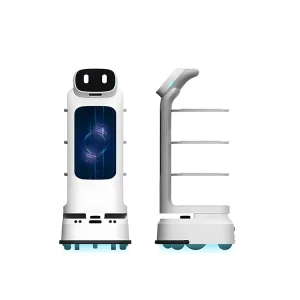
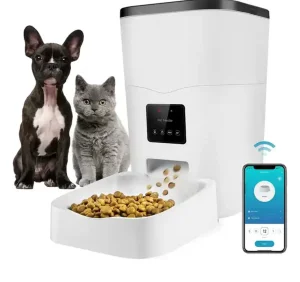
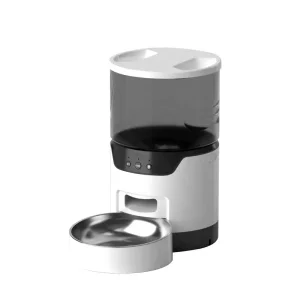
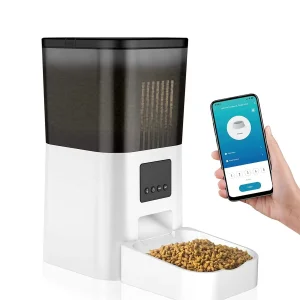
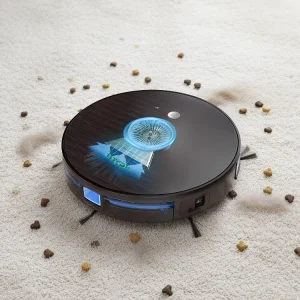
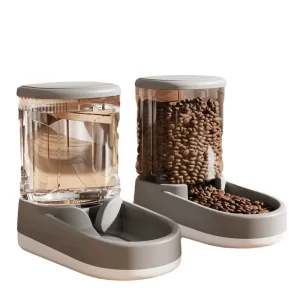
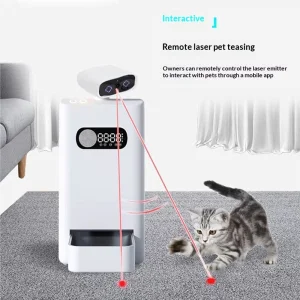
Extending smart telemetry beyond standard bowls to automatic vacuums, service robots, and backup feeders.
 PawEase Feeder