China Top Automatic Feeders Can Help With Portion Control?

Time:2026-09-06 Author:Sienna
0%

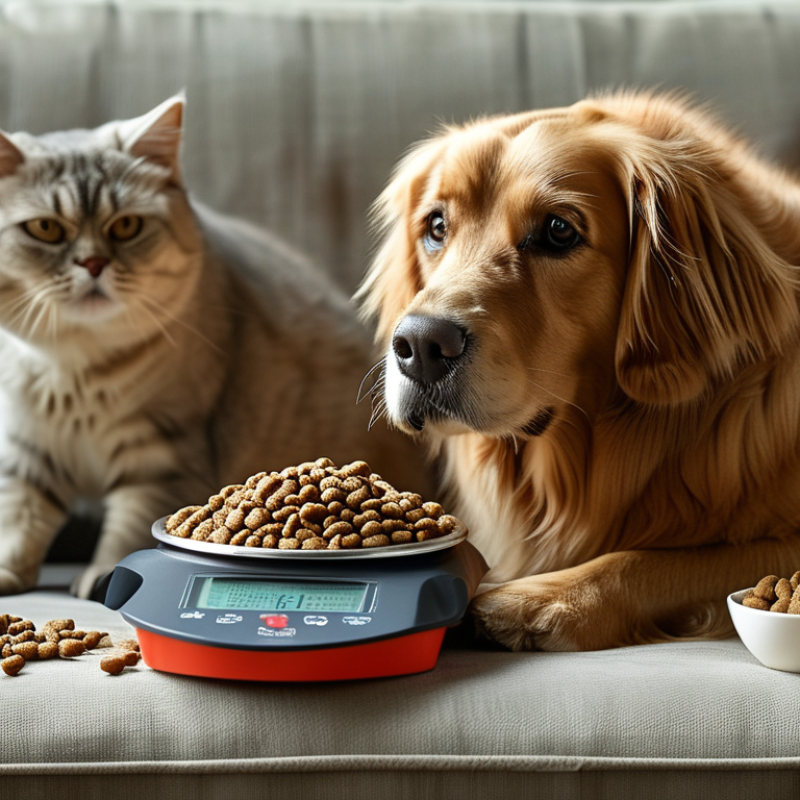
Can automatic feeders help with portion control? For many pet owners, the answer is yes, but only when the feeder is calibrated carefully. A machine can release scheduled meals instead of leaving a full bowl beside the sofa. That simple change may reduce overeating, begging, and rushed feeding routines.

China’s leading automatic feeders now offer timed dispensing, digital portion settings, app monitoring, and low-food alerts. Some models divide daily food into several small servings. This can help cats that eat too quickly or dogs that demand food before breakfast. However, “one portion” does not mean one standard amount. Kibble size, density, and feeder design can change the actual weight. A kitchen scale remains useful.

Veterinarian and pet obesity specialist Dr. Ernie Ward has stated, “Automatic feeders are tools, not solutions.” His point is important. A feeder cannot decide whether a pet’s calories match its age, breed, activity, or health condition. Owners still need guidance from a qualified veterinarian, especially for overweight pets or animals with diabetes.

In real homes, even a reliable feeder can misfire. Batteries may weaken. A food chute may clog. An app may disconnect. These details matter.

The best results come from testing several meals, weighing each release, and recording the pet’s body condition. Portion control also requires treats, table scraps, and second servings to be counted. The technology helps create consistency. It does not remove responsibility. For this reason, China’s top automatic feeders can support portion control, but they should be treated as practical feeding assistants rather than complete weight-management systems.
China Top Automatic Feeders Can Help With Portion Control?

Automatic Feeders in China: Definitions, Types, and Portion-Control Functions

Automatic feeders are devices that release pet food at scheduled times. They can support portion control, but they are not magic measuring tools. In China, common types include gravity feeders, timed dry-food dispensers, compartment trays, and smart models with app controls. Gravity units are simple, yet food may flow continuously. Timed feeders offer better control through fixed release schedules. Compartment trays can handle wet food for several meals.

Portion-control functions vary widely. Some feeders use adjustable timers and measured dispensing wheels. Others provide scales, meal records, or low-food alerts. A reliable evaluation should compare the stated portion with the actual amount released. Test the feeder with your pet’s usual food, because different shapes and sizes can change accuracy. A small error repeated every day may cause unwanted weight gain. No feeder is perfectly precise. Owners still need to check body condition, appetite, and feeding speed. Smart features also depend on stable power and internet access, which may occasionally fail.

Tips: Weigh each portion with a kitchen scale during the first week. Keep the feeder on a level surface. Choose a model with a secure lid if your pet pushes or scratches equipment. Clean food-contact parts regularly, especially when using oily kibble. Review the schedule after travel, illness, or changes in activity. Portion control needs observation, not only automation.

How Timed Dispensing Supports the 2023 AAHA Feeding Guidelines

China Top Automatic Feeders Can Help With Portion Control?

Timed dispensing fits the 2023 AAHA/AAFP Feline Life Stage Guidelines, which support measured meals and controlled feeding routines. Instead of leaving a full bowl available, owners can divide a daily ration into smaller portions. A feeder may release breakfast at 7 a.m., lunch at noon, and dinner at 6 p.m. This schedule can reduce hurried eating and make missed meals easier to notice.

The Association for Pet Obesity Prevention’s 2022 survey estimated that 59% of cats and 56% of dogs were overweight or obese. These figures show why portion accuracy matters. Many China-made automatic feeders allow gram-based programming, sealed storage, and several daily dispensing times. However, the displayed number is not always exact. Kibble size, moisture, and battery performance can affect delivery. Weighing one test portion with a kitchen scale is still sensible.

The 2021 AAHA Nutrition and Weight Management Guidelines also emphasize individualized calories, body-condition scoring, and regular reassessment. A feeder supports this process; it does not replace veterinary guidance. I would record the pet’s weekly weight and adjust portions slowly. One weakness remains. Some pets may eat too quickly after dispensing. A slow-feed insert or smaller releases may help, but results differ between animals. Owners should also inspect the tray, confirm the clock, and review leftovers. Reliable routines come from checking the machine, not trusting it blindly.

Portion Accuracy: Comparing 1–5 Gram Dispensing Claims Across Top Models

Portion Accuracy: Comparing 1–5 Gram Dispensing Claims Across Top Models

Automatic feeders often advertise dispensing accuracy between one and five grams. That range sounds precise, but it needs context. A one-gram setting may not produce one gram of food every time. Kibble shape, density, moisture, and hopper pressure can change each serving. For small pets, a five-gram error may represent a meaningful calorie difference.

A practical comparison should use the same dry food, battery level, and portion setting. Weigh at least ten servings on a calibrated scale, then record the average and the largest variation. ISO/IEC 17025 principles support controlled testing and traceable measurement, even when evaluating household equipment. My experience with rotating dispensers suggests that smaller kibble usually flows more consistently. Irregular pieces can bridge the chute, then release together.

The health reason is clear. The Association for Pet Obesity Prevention reported in its 2022 survey that 59% of cats and 55% of dogs were overweight or obese. Portion control cannot depend on a screen number alone. A feeder claiming one-gram accuracy may perform well under ideal conditions, yet drift after refilling or cleaning. Check the actual output weekly. Keep a simple record. Accuracy is not permanent. Manufacturers should publish tolerance ranges, test conditions, and food types, rather than offering one impressive number. Consumers should question that number too.

Automatic Feeder Portion-Control Claims

Comparison of stated minimum dispensing increments across five anonymized top-model specification entries.

The chart represents manufacturer-stated portion increments ranging from 1 to 5 grams. These figures describe selectable dispensing steps, not independently measured output accuracy. Actual portions may vary with food size, shape, density, and hopper conditions.

Smart Feeding Features and Their Role in Managing Pet Obesity Rates

Automatic feeders can support portion control, but smart technology cannot replace veterinary judgment. The Association for Pet Obesity Prevention reported in 2022 that about 59% of cats and 55.8% of dogs in the United States were overweight or obese. These figures show why measured meals matter. A feeder can dispense a defined amount, divide food into smaller meals, and reduce accidental overfeeding. Some models also record feeding times and send alerts when a meal is missed.

Smart feeding features may help owners notice patterns. For example, a cat that repeatedly ignores breakfast may need closer observation. However, device settings can be misleading. “One portion” is not a universal measurement. Calorie density differs between foods, and pets vary in age, activity, breed, and health. The World Small Animal Veterinary Association recommends individualized nutrition plans, so feeding targets should be checked with a veterinarian. I have found that weighing food in grams is more reliable than trusting a cup or screen estimate. Still, even careful systems can fail when treats remain unrecorded.

Tips: Weigh each daily ration with a kitchen scale. Program several small meals instead of one large release. Record treats, table scraps, and supplements. Check your pet’s body condition monthly, not only its body weight. Clean the hopper and bowl regularly, because stale residue can discourage eating. A feeder is useful, but it may create false confidence. Review its data beside your pet’s appetite, activity, and veterinary assessments.

China Top Automatic Feeders Can Help With Portion Control? - Smart Feeding Features and Their Role in Managing Pet Obesity Rates
Evidence-based indicators for evaluating how automatic feeding technology may support healthier portion management
Data Dimension Evidence-Based Data or Benchmark Relevant Smart Feeder Feature Potential Role in Portion Control Important Limitation Reference
Pet overweight and obesity prevalence 59% of dogs and 61% of cats assessed in the United States were classified as overweight or obese in 2022. Feeding schedules, daily ration records, and feeding-history notifications. Regular records can make overfeeding more visible and help owners maintain a consistent daily routine. A feeder cannot diagnose obesity. Body-condition scoring and veterinary assessment remain necessary. Association for Pet Obesity Prevention, 2022 Pet Obesity Survey
Meal frequency Many healthy adult dogs and cats are commonly fed at least twice daily, although the appropriate schedule depends on species, age, health, and veterinary advice. Programmable multiple-meal scheduling. Dividing a daily allowance into measured meals may reduce unplanned free-feeding and improve routine consistency. Meal frequency alone does not reduce weight if the total daily calorie intake remains excessive. Merck Veterinary Manual; American Animal Hospital Association nutritional guidance
Daily calorie calculation Resting Energy Requirement can be estimated as RER = 70 × body weight in kg0.75. Maintenance needs vary according to species, life stage, neuter status, activity, and health. Calorie or portion planning linked to pet profile data. Using a calculated daily target can be more precise than filling a bowl based only on visual judgment. Energy formulas are starting points, not universal prescriptions. A veterinarian should adjust the target according to weight trends. National Research Council, Nutrient Requirements of Dogs and Cats; Merck Veterinary Manual
Portion measurement Dry-food energy density differs among diets, so the same volume or dispensing cycle can provide different calorie amounts. Adjustable dispensing quantity, portion logs, and optional weight-based dispensing. Recording portions in grams and checking the food label’s kcal/kg or kcal/cup can improve daily calorie accounting. Dispensing volume is not equivalent to calories. Kibble size, shape, density, and moisture can affect the amount delivered. National Research Council; product-specific nutritional labels and veterinary nutrition guidance
Human feeding errors Unmeasured treats, table scraps, and repeated meals can cause daily intake to exceed the intended ration. Portion history, shared access controls, feeding notifications, and scheduled dispensing. Automated records can reduce duplicated feeding by multiple household members and help identify missed or extra meals. Owners still need to record treats and food given outside the feeder. Association for Pet Obesity Prevention; American College of Veterinary Internal Medicine nutrition resources
Treat contribution Veterinary nutrition guidance commonly recommends that treats and other extras provide no more than approximately 10% of daily calories. Daily calorie reminders and separate treat logging. A feeder app or household log can reserve part of the daily calorie budget for treats instead of adding them on top of meals. The 10% guideline is a general rule; medical diets and weight-loss plans may require stricter limits. World Small Animal Veterinary Association; Tufts Cummings Veterinary Medical Center nutrition guidance
Weight-management monitoring Safe weight-loss plans should be individualized and monitored by a veterinary professional; the target rate depends on the animal and medical condition. Integration with a pet scale, weight-trend charts, and feeding-plan adjustments. Combining intake records with regular body-weight measurements helps determine whether the portion plan is working. App data cannot replace a physical examination or rule out medical causes of weight change. American Animal Hospital Association; Merck Veterinary Manual
Slow-feeding and activity support Slower eating may help some pets consume meals more gradually, while exercise needs vary by species, breed, age, and health. Slow-feed dispensing, puzzle-feeding compatibility, and scheduled activity reminders. These features may support satiety, enrichment, and healthier routines when combined with calorie control. Slow feeding does not offset excessive calories, and exercise should be appropriate for the pet’s health status. Merck Veterinary Manual; veterinary behavioral and nutrition guidance
Reliability and verification There is no single universal accuracy standard for all consumer automatic feeders; actual output should be checked using the intended food. Low-food alerts, jam detection, backup power, dispensing logs, and manual calibration. Calibration checks and alerts can reduce missed meals or accidental over-dispensing caused by mechanical or connectivity problems. Users should weigh several dispensed portions, inspect the device regularly, and keep a backup feeding plan. General device-validation practice; veterinary feeding-safety recommendations
Interpretation: Automatic feeders can improve consistency, measurement, and accountability, but they do not independently prevent obesity. Effective weight management requires a veterinarian-informed calorie target, measured food portions, controlled treats, regular weight monitoring, and appropriate physical activity.

Selecting a China-Made Feeder by Capacity, Calibration, and Safety Standards

China Top Automatic Feeders Can Help With Portion Control?

Selecting a China-Made Feeder by Capacity, Calibration, and Safety Standards

Portion control begins with capacity, not appearance. The 2022 Association for Pet Obesity Prevention survey reported excess weight in 59% of dogs and 61% of cats assessed. A feeder cannot replace veterinary advice, but it can reduce hurried, oversized servings. Choose a hopper that matches the animal’s daily ration, not a marketing claim. For example, 2,400 grams divided by 120 grams daily equals about 20 days. Real use may deliver fewer days because food settles unevenly.

Calibration deserves a simple home test. Place a bowl on a digital scale, dispense ten portions, and record every result. Compare the average with the programmed weight. A 10-gram setting that repeatedly produces 14 grams needs adjustment. Small errors accumulate. A feeder can be convenient and still be imperfect. That is worth checking.

Safety evidence should be specific. Look for electrical testing against applicable GB 4706.1 requirements, food-contact materials aligned with GB 4806 standards, and charger documentation where batteries are included. The U.S. FDA’s 2022 Food Code also emphasizes cleanable, non-toxic food-contact surfaces, a useful purchasing reference. Ask for current test reports, material declarations, and moisture-resistant design details. APPA’s 2023–2024 National Pet Owners Survey estimated 86.9 million U.S. households owned a pet, showing the scale of demand, but popularity does not prove quality. A transparent supplier should state tolerances, cleaning limits, and failure conditions plainly.

FAQS

: How does timed dispensing support measured feeding?

: It releases planned portions at set times, such as 7 a.m., noon, and 6 p.m. Smaller meals may reduce hurried eating and make missed meals easier to notice. It is not a complete solution.

Can an automatic feeder improve portion control?

It can divide a daily ration into several meals. However, the programmed amount may differ from the delivered amount. Kibble size, moisture, and battery performance can affect accuracy.

How can I test the feeder’s portion accuracy?

Place an empty bowl on a digital kitchen scale. Dispense ten portions and record each weight. Compare the average with the programmed amount. A 10-gram setting might deliver 14 grams.

How should I choose the feeder’s capacity?

Match the hopper to the animal’s daily ration. For example, 2,400 grams divided by 120 grams equals about 20 days. Food may settle unevenly, so the real duration can be shorter. More capacity is not always better.

Does a feeder decide the correct daily calories?

No. Daily calories should reflect age, activity, health, and body condition. A qualified veterinarian can help set an appropriate ration. The feeder only follows the selected schedule.

How can I monitor whether portions are working?

Record the animal’s weight each week. Also observe body shape, appetite, leftovers, and eating speed. Adjust portions slowly when needed. Small changes matter.

What if the animal eats too quickly?

Use smaller releases or a slow-feed insert. Some animals respond well. Others may still finish quickly. Results vary, so watch the feeding tray after dispensing.

What safety details should I check before buying?

Look for current electrical test reports and food-contact material declarations. Surfaces should be non-toxic, smooth, and easy to clean. Check moisture resistance, charger documents, and stated operating limits. Clear evidence matters more than attractive appearance.

How can I keep the feeding routine reliable?

Inspect the tray and hopper regularly. Confirm the clock after power interruptions or battery changes. Review leftovers and clean food-contact surfaces frequently. Do not trust the machine blindly.

Conclusion

Automatic feeders made in China can support better pet portion control by releasing measured amounts at scheduled times. Their designs may include gravity-based, programmable, rotating, or smart dispensing systems, each offering different levels of accuracy and convenience. By dividing daily food into several portions, timed dispensing can encourage consistent feeding routines and reflect the principles of the 2023 AAHA Feeding Guidelines, which emphasize individualized nutrition, weight monitoring, and controlled calorie intake. The key question is: can automatic feeders help with portion control? They can, especially when owners calibrate the device carefully and regularly check the amount delivered.

When comparing models, claimed dispensing accuracy may range from one to five grams, but actual performance can depend on food shape, moisture, and hopper design. Features such as app scheduling, alerts, feeding records, and weight-management settings may also help address pet obesity risks. Buyers should evaluate capacity, calibration options, jam prevention, food-contact safety, battery backup, and relevant quality standards to select a dependable feeder for their pet’s needs.

Sienna

Sienna

Sienna is a skilled marketing professional with a deep expertise in our company’s core products and services. With a passion for innovation and detail, she plays a pivotal role in crafting insightful blog posts that not only highlight the unique features of our offerings but also provide valuable......