The surge in smart pet care devices reflects changing dynamics in pet ownership. In 2026, an estimated 70% of households in developed nations will own pets. This rapid increase prompts the question, why are smart pet care devices becoming popular? Reports indicate that nearly 60% of pet owners prefer tech solutions for monitoring health and behavior, showcasing a shift towards convenience and efficiency.
Data from industry analyses show that the global smart pet care market is projected to reach $4.2 billion by 2028, growing at a compound annual growth rate of 22.5%. Products such as automated feeders and GPS trackers enhance pet owners' lives. However, this trend raises questions about reliance on technology. Are these devices truly improving pet care, or are they creating emotional distance?
Moreover, not all devices deliver the expected results. Issues such as connectivity problems and user skepticism persist. While smart devices aim to provide peace of mind for pet owners, there is always room for improvement. This growing sector presents a fascinating intersection of technology and pet care, inviting careful consideration of its real benefits and limitations.
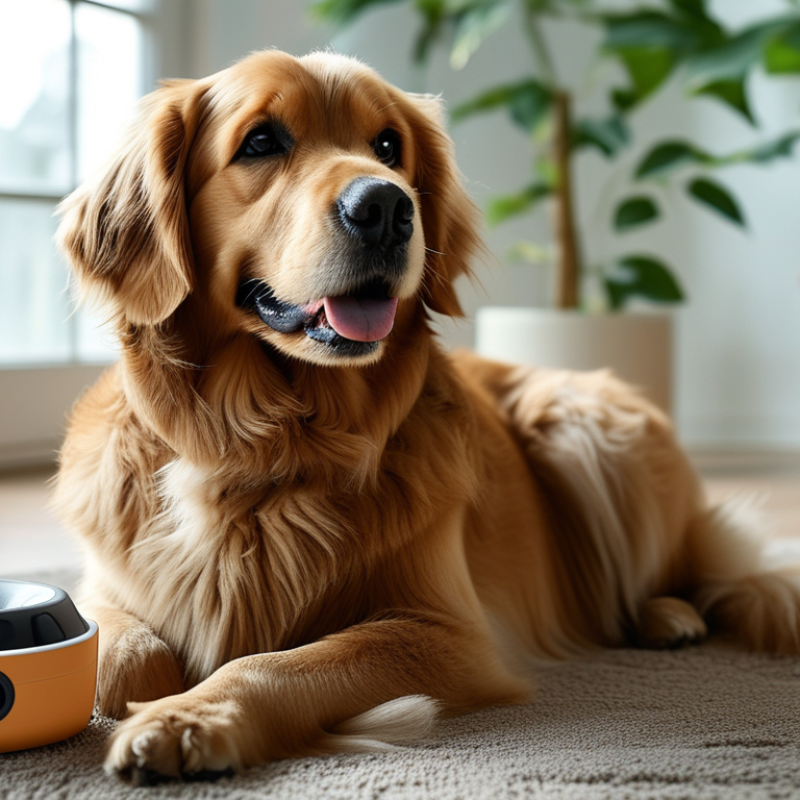
The trend of smart pet care devices has surged in 2026. Technologies like automatic feeders, health monitors, and interactive toys are now commonplace. According to a recent industry report, the market for smart pet products is projected to grow by 50% in the coming years. This highlights the increasing demand for devices that enhance the lives of pets and their owners.
Pet owners are more concerned about safety and health now. Smart devices track pets' eating habits, exercise, and health metrics. However, it’s essential to weigh the pros and cons. Some may feel overwhelmed by technology. Not all devices are designed equally. It’s crucial to research functionality and ease of use before making a purchase.
**Tip:** Look for user reviews on the devices. They often provide real-life experiences that can guide your choices.
Another issue is data privacy. As these devices collect personal information, managing that data is vital. Owners must ensure they choose products from reliable sources. Remember to check if the device encrypts data to protect your information.
**Tip:** Always read the privacy policy to understand data usage. Data security should be a priority when choosing smart pet devices.
The rise of smart pet care devices in 2026 is largely fueled by innovative technologies. Advanced sensors are now common. They help monitor a pet's health in real-time. For instance, a heart rate tracker can alert owners to potential issues. This proactive approach can lead to earlier intervention. It’s a game-changer in veterinary care.
Another exciting development is the use of AI in these devices. Machine learning algorithms analyze pet behaviors. They can predict needs and even suggest lifestyle changes. Smart feeders now customize portion sizes automatically. This helps to combat obesity, a growing concern among pets. However, relying solely on tech poses risks. Owners must still be engaged and observant.
Finally, connectivity plays a crucial role. Devices sync with smartphones seamlessly. This allows owners to receive alerts no matter where they are. While these innovations enhance care, challenges remain. Not all owners will embrace technology. Some may feel overwhelmed or doubtful. Balancing tech and traditional care is essential for optimal pet well-being.
In 2026, smart pet care devices are transforming how pet owners interact with their animals. These devices are not only convenient but also enhance the well-being of pets. For instance, automatic feeders ensure pets never miss a meal. Pet cameras allow owners to monitor their furry friends in real time. Imagine being able to check in on your pet from anywhere.
The benefits extend beyond just convenience. Smart devices provide valuable health insights. Some can track a pet’s activity levels, helping to prevent obesity. Data collected often leads to better-informed decisions about diet and exercise. However, this reliance on technology can create a disconnect. Owners might become too dependent on gadgets and forget the importance of personal interaction.
As these devices evolve, they encourage pet owners to engage more thoughtfully. A smart collar can alert owners to health issues early. Regular engagement with these advancements can deepen the bond between pets and their owners. Yet, it’s essential to remember that no device can replace the love and attention pets need. Balancing technology with genuine care is key.
The adoption of smart pet technologies faces several challenges. One significant barrier is the high cost associated with these devices. A recent report by Global Market Insights noted that the average smart pet device can cost upwards of $200. This price point can deter many pet owners, especially in economic downturns.
Another challenge is the technological complexity of these devices. Many users report difficulties in installation and connectivity. According to a survey by Statista, 40% of pet owners expressed frustration with setting up smart collars and feeding systems. Many simply prefer traditional methods that don't require technical skills.
Data privacy concerns further complicate adoption. With smart devices collecting data, pet owners worry about sharing personal information. Research by Pew Research Center found that 60% of respondents are uncomfortable with how their data may be used or shared. This hesitation can halt purchases and hinder the growth of smart pet care. There’s still a long way to go in addressing these concerns before widespread adoption of smart pet care devices becomes reality.
The evolution of smart pet care is poised for a significant leap beyond 2026. Industry reports predict that the market for smart pet devices will reach $2 billion by then, driven by increasing pet ownership and demand for technology. Data indicates that over 70% of pet owners express interest in gadgets that improve pet care. This shows a shift towards a tech-savvy lifestyle for pet parents.
Smart collars, biotracking, and interactive feeders are just the beginning. These devices gather real-time data on pets' health and activity. However, there's room for improvement. As we integrate AI into these systems, ensuring data privacy and ethical use will be crucial. Maintaining trust is essential, and users often question how their information is managed.
Challenges will persist. Many devices lack cross-platform compatibility. Users face frustrations when integrating multiple gadgets into their homes. More intuitive interfaces are needed to enhance user experience as technology continues to evolve. The future of smart pet care will rely on addressing these issues for greater accessibility and reliability.
| Feature | 2026 Adoption Rate (%) | Projected Growth Rate (%) | User Satisfaction Score (1-10) |
|---|---|---|---|
| Smart Feeding Devices | 45% | 20% | 8.5 |
| Health Monitoring Gadgets | 30% | 25% | 9.2 |
| Activity Trackers | 35% | 15% | 8.7 |
| Automated Litter Boxes | 25% | 30% | 9.0 |
| Smart Collars | 40% | 22% | 8.8 |
: Smart pet care devices use technology to monitor and improve pets' health and well-being.
Advanced sensors track pets' health, alerting owners to potential issues in real-time.
Yes, AI analyzes pet behavior and suggests lifestyle changes, improving overall care.
Many find the cost high and the technology complicated, leading to frustration.
Smart feeders automatically adjust portion sizes, helping prevent obesity and maintain health.
Yes, over-reliance on devices may reduce personal interaction between pets and owners.
Many worry about personal information being misused, affecting their willingness to adopt these devices.
They provide health insights and foster engagement, but personal attention is still essential.
No, some feel overwhelmed or doubt the value of these innovations in pet care.
Owners need to balance tech use with genuine care and interaction for their pets.
In 2026, the trend of smart pet care devices is on the rise, driven by key innovations that enhance the quality of life for both pets and their owners. The popularity of these technologies stems from their ability to provide real-time monitoring, improve pet health management, and offer convenience for busy pet owners. These devices not only simplify daily tasks but also foster a deeper connection between pets and their caregivers.
However, the adoption of smart pet care technology is not without challenges. Issues such as high costs, technical complexities, and concerns over data privacy can hinder widespread acceptance. Looking ahead, the future of smart pet care devices suggests an evolution that may integrate even more advanced features, making it crucial to understand why smart pet care devices are becoming popular in today's market. Ultimately, they represent a significant shift in how pet care is approached, blending technology and pet companionship seamlessly.

PawEase Feeder