As pet owners increasingly seek convenience and efficiency in pet care, the question arises: are automatic pet feeders safe for pets? Research indicates that nearly 70% of pet owners have expressed concerns about their pets' feeding habits and overall health. Ensuring proper nutrition is crucial, and automatic pet feeders can help meet these demands.
Many feeders are designed with technology that dispenses food at scheduled times. This can prevent overfeeding, a common issue among pet owners. A report from the American Animal Hospital Association highlights that obesity affects about 56% of dogs and 60% of cats in the U.S. Automatic feeders can play a significant role in addressing this alarming trend.
However, it's essential to consider the types and quality of feeders available. Some may pose risks if not maintained properly. For example, unclean feeders can lead to health issues. Therefore, pet owners must regularly inspect and clean these devices. Balancing convenience with safety is vital in ensuring that automatic pet feeders contribute positively to the well-being of our furry companions.
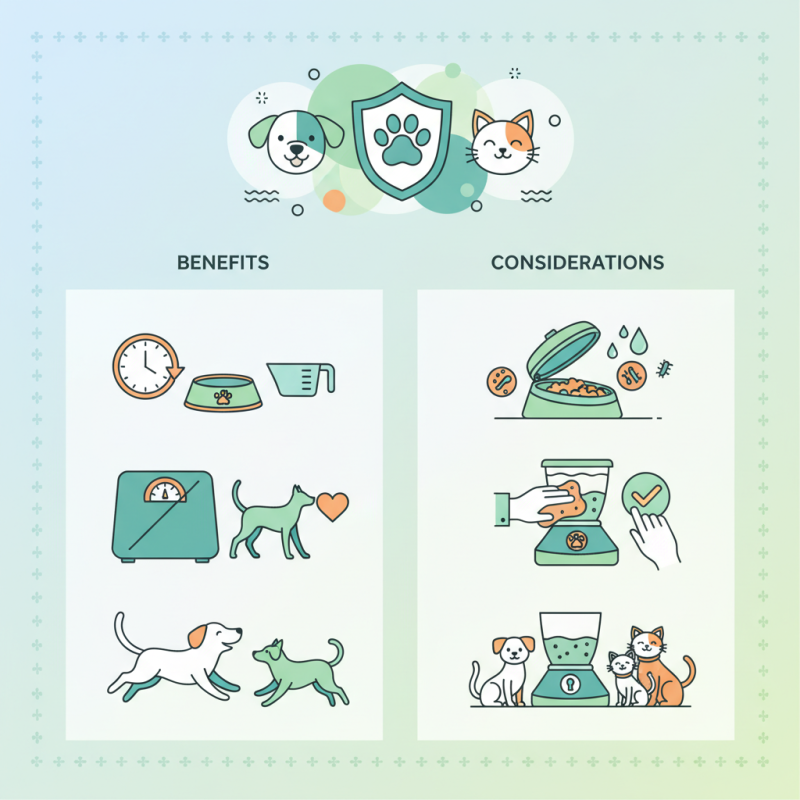
A consistent feeding schedule is crucial for a pet's health and well-being. Automatic pet feeders can help achieve this by providing meals at regular intervals. This not only ensures your pet receives the right amount of food but also eliminates the risk of overfeeding. Pets thrive on routine, which can lead to more predictable behaviors. With set meal times, pets are likely to feel more secure and relaxed.
Moreover, consistent feeding can improve a pet’s digestive health. When meals are given at the same times every day, it can lead to better digestion and nutrient absorption. This regularity can also help prevent gastrointestinal issues like bloating and diarrhea. Interestingly, observing your pet’s reactions around feeding time can also provide valuable insights. Some pets might display anxiety when meals are irregular. Automatic feeders can reduce their stress by ensuring they are fed consistently, thereby promoting overall happiness.
However, automatic feeders are not a perfect solution. Some pets may take time to adjust. They might initially ignore the device or even become anxious at feeding times. It is essential to monitor your pet’s behavior during this transition. Adjustments can be necessary. Understanding individual needs is vital. This constant observation can help fine-tune feeding schedules for optimal health and comfort.
Automatic pet feeders are designed to help maintain your pet's health. They can effectively prevent overfeeding, reducing the risk of obesity in pets. These feeders dispense the right portion at scheduled times. This ensures that your pet receives their meals regularly, without the temptation to overeat. By controlling the portions, you can help your pet maintain a healthy weight.
Monitoring your pet’s food intake is just as crucial. Automatic feeders provide consistency in your pet's diet. You can easily set specific feeding times and amounts, which helps regulate their metabolism. This encourages a balanced eating schedule, reducing the chances of binge eating. Each controlled meal helps prevent weight gain and fosters healthier eating habits.
Tips: Observe your pet's behavior. Is your cat or dog prowling around the bowl outside feeding times? If so, adjusting the schedule might be necessary. Regularly check the feeder's settings. Sometimes, they can accidentally change. Also, consider your pet's activity level. An active pet may require more food than a sedentary one. Adjust portions gradually, keeping track of changes in weight and behavior.
Automatic pet feeders are becoming essential for pet owners looking to ensure their pets' safety and well-being. Modern automatic pet feeders incorporate various safety features designed to create a secure feeding environment. For instance, many models include programmable timers. This feature allows pet owners to set specific feeding times, reducing the risk of overfeeding. Research shows that managing portions can help prevent obesity, a growing concern affecting around 60% of cats and dogs in the U.S. today.
Another vital aspect of these feeders is their durable construction. Many feeders are designed with high-quality materials that withstand rough handling by pets. Some units even feature anti-jam technology, ensuring food dispenses smoothly. A study from the American Kennel Club indicates that consistency in feeding times contributes to better digestive health for pets. Additionally, many feeders are equipped with sensors to prevent food spillage, which helps maintain a clean space and reduce the risk of pests.
Monitoring technology is also a growing trend in the pet feeding market. Some automatic feeders now come with apps that allow pet owners to view feeding history and portion sizes. This transparency can help identify sudden changes in eating habits, which may indicate health issues. While technology provides convenience, it also urges pet owners to remain vigilant about their pet’s diet. Regularly checking the feeder mechanisms and ensuring they function correctly is essential for pet safety.
Automatic pet feeders play a crucial role in reducing stress for pets. Many animals thrive on routine, and a consistent feeding schedule can alleviate anxiety. A study from the Journal of Veterinary Behavior suggests that pets with regular feeding times exhibit fewer stress-related behaviors.
Feeding times can be unpredictable in busy households. This inconsistency may cause anxiety and uncertainty for pets. Automatic feeders provide a reliable solution. They dispense food at set times, ensuring pets receive meals even when their owners are not available. This reliability enhances trust and comfort for pets, leading to a more relaxed state.
Moreover, a survey conducted by the American Pet Products Association found that 65% of pet owners believe their pets are calmer with automated feeding systems. The technology offers peace of mind, promoting a balanced lifestyle. While automatic feeders offer many benefits, issues can arise, such as overfeeding if not monitored. Pet owners must remain aware of these potential pitfalls. Regularly checking food levels and calibrating portions can help mitigate these risks.
Automatic pet feeders offer significant advantages in maintaining food freshness and hygiene. Studies show that proper food storage can prevent spoilage. According to the Association of American Feed Control Officials, nearly 30% of pet food may degrade in quality if not stored correctly. Automatic feeders provide a controlled environment, reducing exposure to air, moisture, and pests that contribute to food deterioration.
Moreover, these devices often feature sealed compartments that help preserve food. The active prevention of contamination is crucial, especially for dry kibble. Research indicates that pets consuming contaminated food may suffer from gastrointestinal issues. A report by the Pet Food Institute highlights that over 40% of pet owners noticed their pets experience digestive problems related to food quality. The automated portion control also helps prevent overfeeding, thus maintaining a balanced diet and a healthy weight.
However, there are challenges. Some pet owners worry about relying too heavily on technology. Monthly cleaning is often overlooked, impacting hygiene. Regular checks and maintenance of the dispenser are essential. A study from the American Veterinary Medical Association notes that more than 25% of pet owners forget to clean their feeders, which can lead to harmful bacteria growth. This emphasizes the need for pet owners to remain vigilant, ensuring their pets enjoy fresh and safe meals consistently.
| Reason | Description |
|---|---|
| Consistent Portion Control | Automatic feeders dispense the exact amount of food needed, preventing overfeeding. |
| Prevents Spoilage | These devices help keep food fresh by providing airtight storage, minimizing exposure to air and moisture. |
| Reduced Human Error | Automatic feeders eliminate the chances of forgetting to feed your pet, ensuring they receive their meals on time. |
| Scheduled Feeding Times | Pet owners can schedule feeding times to create a regular routine for their pets. |
| Hygienic Feeding | Automatic feeders often come with removable bowls for easy cleaning, ensuring hygiene. |
| Prevents Pests | By storing food in sealed containers, automatic feeders help deter pests and rodents from accessing food. |
| Portability | Most automatic feeders are designed to be easily transportable, allowing for feeding during travel or outdoor activities. |
| Customization Options | Many models allow customization for food type and portion sizes, catering to specific pet dietary needs. |
| Enhanced Security | Some automatic feeders come with features like locks or coding to prevent unwanted access by other pets. |
| Smart Technology Integration | Advanced models can connect to apps or devices, allowing owners to monitor feeding from afar. |
: It promotes health and well-being, leading to predictable behavior and a sense of security.
They provide meals at regular intervals, reducing the risk of overfeeding and promoting better digestion.
Regular meals can improve digestive health and help prevent gastrointestinal issues like bloating.
Some pets may need time to adjust, and initial anxiety at feeding times is common.
Programmable timers help avoid overfeeding, and durable materials ensure longevity and safety.
They offer sealed compartments that limit exposure to air and moisture, reducing spoilage.
Monthly cleaning is crucial; neglecting this can lead to harmful bacteria growth in the feeder.
Yes, apps can track feeding history and help identify changes in eating habits, indicating health issues.
Some owners may rely too much on technology and forget regular maintenance, impacting hygiene.
Regular observation and adjustments based on individual pet needs are vital for health and comfort.
Automatic pet feeders have become an essential tool for pet owners looking to maintain a consistent feeding schedule for their furry friends. One of the key benefits is that they help prevent overfeeding and obesity by accurately dispensing the right amount of food at predetermined times. In addition, modern automatic feeders are equipped with safety features that ensure pets cannot access the food outside of scheduled times, thereby enhancing their security.
Moreover, these feeders can significantly reduce stress for pets by providing them with predictable meal times, leading to a more relaxed atmosphere in the home. They also prioritize food freshness and hygiene by keeping food sealed until it's time to eat, which eliminates the chances of contamination. Overall, when considering whether "are automatic pet feeders safe for pets," the answer lies in their design and functionality, which collectively promote better health and well-being for our animals.

PawEase Feeder