How Does an Automatic Pet Feeder Work for Your Pets?

Time:2026-05-29 Author:Madeline
0%

In the modern world, many pet owners seek convenience and efficiency for their furry friends. An automatic pet feeder presents a solution to daily feeding routines. But how does an automatic pet feeder work to benefit your pets? These devices offer timely meals, ensuring your pet receives proper nutrition, even when you are busy.

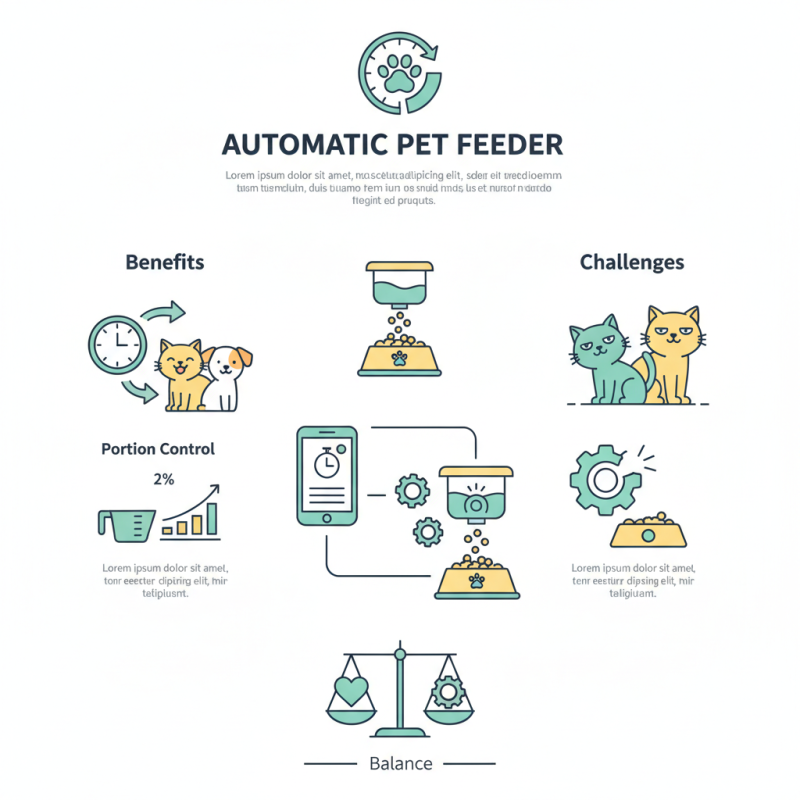
Automatic feeders utilize sensors and timers to dispense food at designated intervals. They can be programmed to provide specific portions, which prevents overfeeding and promotes a healthy diet. However, relying entirely on technology may create challenges. Some pets may initially resist the machine, requiring an adjustment period. On occasion, malfunctioning feeders can lead to missed meals, causing concern for pet owners.

Understanding how an automatic pet feeder works enables you to make informed decisions for your beloved companion. It's essential to research and select a reliable model. Your pet’s health and happiness depend on finding a perfect balance between convenience and personal care.
How Does an Automatic Pet Feeder Work for Your Pets?

Understanding the Mechanism of Automatic Pet Feeders

Automatic pet feeders offer a convenient way to manage your pet's feeding schedule. They generally consist of a food storage compartment, a dispensing mechanism, and a timer or sensor. A motorized system controls the amount of food released. This mechanism is designed to ensure pets receive consistent portion sizes, which can aid in maintaining a healthy diet.

Understanding how these feeders work is crucial. Many models are equipped with portion control settings, so you can adjust meal sizes easily. Certain feeders feature sensors to detect when a bowl is empty, prompting immediate refills. Manual programming functions can be tricky. Not all users find it easy to navigate settings, sometimes leading to errors in feeding times.

While automatic feeders can simplify feeding routines, they may also present challenges. Sometimes, electronic components may fail, causing unpredictability. Regular maintenance is vital, as food residue can build up, affecting performance. It's essential to monitor your pet's eating habits periodically. This vigilance ensures that your automated system is still meeting their needs effectively.

Types of Automatic Pet Feeders and Their Features

Automatic pet feeders offer convenience for pet owners and can help with portion control. There are several types of feeders available, each with unique features to meet different needs. Gravity feeders use a simple mechanism that allows food to flow from a reservoir into the bowl as pets eat. These are often budget-friendly but may not control portion sizes effectively. According to industry reports, more than 60% of pet owners struggle with their pets’ dietary habits, making automatic feeders an appealing solution.

Timed automatic feeders allow owners to schedule feeding times. This feature helps maintain a regular feeding routine, which is beneficial for pets’ health. Additionally, smart feeders connect to apps, allowing pet owners to monitor feeding remotely, a recognized trend noted in a report by the American Pet Products Association. However, these devices may require regular updates and troubleshooting to maintain connectivity, which can be frustrating.

Tip: Always start by introducing the automatic feeder gradually. Observe your pet’s behavior during the transition to ensure they adapt well. It's also wise to test the feeder periodically to ensure it’s functioning correctly. Small issues can escalate, leading to inconsistent feeding schedules. Understanding your pet's needs will help you choose the right feeder, but stay vigilant for any signs of fussiness around meal times.

Setting Feeding Schedules and Portion Control for Pets

Setting feeding schedules and controlling portions are essential for pet health. An automatic pet feeder can provide a solution. These devices allow you to program feeding times, ensuring your pets receive meals regularly. This helps to establish a routine. A predictable schedule can reduce anxiety in pets.

Portion control is equally important. Overfeeding can lead to obesity and related health issues. Many automatic feeders allow you to set precise portions for each meal. This feature helps maintain a healthy weight for your pets. However, it's important to monitor their eating habits. Not all pets adjust well to machines. Some may be hesitant or refuse to eat from a feeder initially.

Adjusting settings based on your pet's needs is crucial. Certain pets might need less food due to age or health conditions. You should observe their behavior and make changes accordingly. This reflection will help in finding the right balance. Automatic feeders can be helpful tools, but they still require your attention and care. Remember, your pet's well-being is a direct result of thoughtful feeding practices.

Benefits of Using Automatic Pet Feeders for Pet Health

Automatic pet feeders can significantly enhance your pet's health. They ensure your pets receive the right amount of food at scheduled times. This regularity helps maintain a healthy weight, reducing the risk of obesity. With these devices, you can prevent overfeeding and control portion sizes effectively.

Incorporating automated feeding can also lower stress for both pets and owners. Pets thrive on routine, and knowing when to expect their meals can lead to calmer behavior. However, it is essential to observe individual needs. Not all pets will adapt immediately to automated feeding schedules. Some may require adjustments or even manual supervision at times.

Moreover, pet feeders can improve hydration by promoting a better feeding routine. Many models allow you to attach water bowls or ensure a consistent supply of fresh water. It's worth noting, though, that monitors are vital. An automatic feeder doesn’t eliminate the need for daily interaction and observation. Reflecting on these points can help pet owners make informed decisions.

Analyzing Industry Trends in Automatic Pet Feeding Technology

The automatic pet feeding industry has seen significant advancements in recent years. Technology is evolving quickly. This evolution enhances convenience and reliability for pet owners. Automatic feeders now come with programming features that allow customization of portion sizes. Many offer scheduled feeding times, adapting to the pet's routines.

Smart technology integrates various features like mobile apps and timers. Owners can monitor their pets remotely. This is useful for those with busy lifestyles. However, there are concerns about over-reliance on gadgets. Some feeders may malfunction or require regular updates.

As we analyze industry trends, there is also a focus on sustainability. Many companies now consider eco-friendly materials in their product designs. This reflects a growing awareness of environmental issues. Despite these advancements, it's important to remember that technology is not infallible. Regular maintenance is necessary to ensure proper functioning. Balancing technology with personal care remains crucial in pet feeding practices.

FAQS

: How do automatic pet feeders work?

: They have a food storage compartment, a dispensing mechanism, and a timer or sensor.

Can I adjust the portion sizes?

Yes, many models have portion control settings to customize meal sizes.

Do automatic feeders detect when the food bowl is empty?

Some feeders have sensors that prompt immediate refills when the bowl is empty.

Are automatic feeders reliable all the time?

Not always. Electronic failures can happen, leading to unpredictability. Regular checks are important.

Will my pet adapt to automatic feeding?

It varies. Some pets may need time or supervision while adjusting to the new routine.

How do automatic feeders affect my pet's health?

They can promote healthy portion control, helping maintain a good weight and reduce obesity risk.

Should I still interact with my pet if using a feeder?

Yes, daily interaction is important. Monitors are needed even with automated systems.

What maintenance is required for automatic feeders?

Regular cleaning is essential. Food residue can build up and impact performance.

What should I observe in my pet’s eating habits?

Monitor their eating patterns to ensure the feeder meets their nutritional needs effectively.

Is there a downside to automatic pet feeders?

They can sometimes lead to errors in feeding times. It's crucial to set them up correctly.

Conclusion

Automatic pet feeders are innovative devices that simplify pet care by automating the feeding process. So, how does an automatic pet feeder work? These feeders typically operate through a combination of timers and portion control mechanisms, allowing pet owners to set specific feeding schedules and portion sizes tailored to their pets' dietary needs. Various types of automatic pet feeders are available, including gravity-fed, programmable, and app-controlled models, each offering unique features to enhance usability and convenience.

The benefits of using an automatic pet feeder extend beyond mere convenience; they contribute to improved pet health by ensuring regular feeding times and preventing overeating. As technology advances, we see emerging trends in the automatic pet feeding industry, which focus on smart features such as mobile connectivity and advanced monitoring capabilities. Ultimately, automatic pet feeders represent a significant innovation in pet care, positively impacting the relationship between pets and their owners.

Madeline

Madeline

Madeline is a dedicated marketing professional with a wealth of expertise in our company's core offerings. With a keen understanding of the industry, she brings a unique perspective to her role, consistently delivering high-quality content that highlights the superior aspects of our products. As......