How to Clean an Automatic Pet Feeder Effectively?

Time:2026-06-10 Author:Henry
0%

Maintaining your automatic pet feeder goes beyond convenience. It ensures your pet's health and well-being. Research indicates that up to 60% of pet owners have experienced issues related to feeder hygiene. These issues can lead to the growth of harmful bacteria, which directly impacts pet health. Knowing how to clean an automatic pet feeder is essential in preventing such risks.

Automatic feeders often accumulate food residue and grime. Without regular cleaning, these can become breeding grounds for bacteria. A study presented by Pet Care Industry indicates that 45% of pet owners rarely clean their feeders, illustrating a significant gap in pet care practices. Cleaning frequency should match the feeder's usage to ensure a safe dining experience for pets.

Many pet owners may overlook the importance of deep cleaning their feeders. It’s not just about rinsing; it requires proper techniques and cleaning agents. This complexity often leaves us questioning the best practices for cleaning. Addressing these gaps in knowledge can greatly enhance both pet safety and feeder longevity.
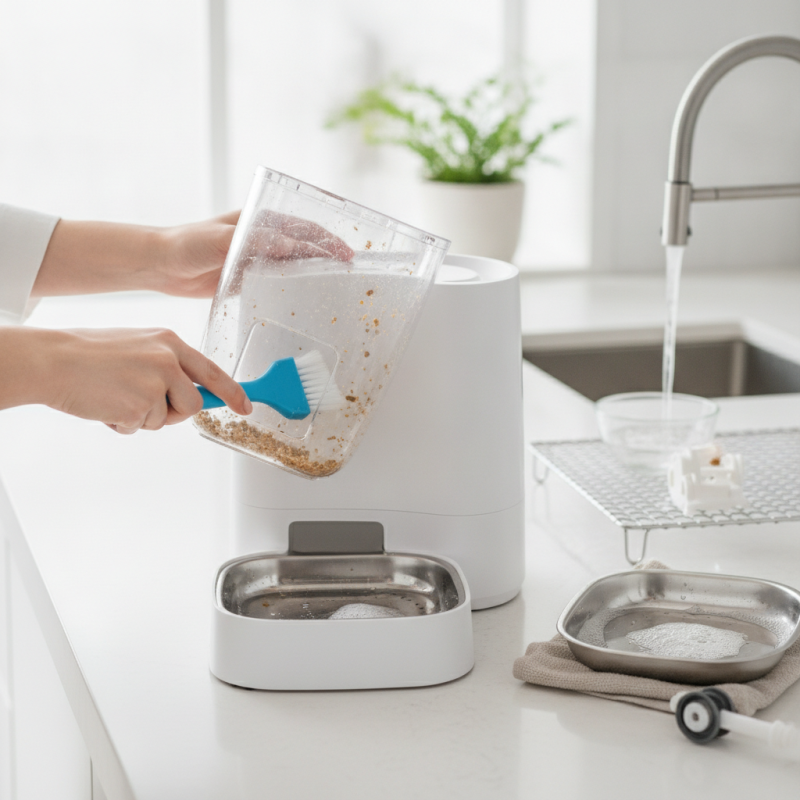
How to Clean an Automatic Pet Feeder Effectively?

Understanding the Components of an Automatic Pet Feeder

Understanding the components of an automatic pet feeder is crucial for proper maintenance and cleaning. Automatic pet feeders typically include a food bowl, food reservoir, and electronic mechanisms. Each component can accumulate dirt, bacteria, and food residue. Regular cleaning prevents these issues, ensuring the feeder remains hygienic for your pet.

According to the American Veterinary Medical Association, about 60% of pets in the United States are overweight or obese. Providing controlled portions through a clean feeder can combat this. Yet, many pet owners overlook cleaning the food reservoir, where stale food can lead to spoilage. Ensure to disassemble the feeder completely for thorough cleaning. A 2021 survey indicates that 45% of pet owners clean their feeders less than once a month. This statistic highlights a common neglect in pet care.

Consider using warm soapy water and a non-abrasive brush for effective cleaning. Pay attention to crevices where food particles might hide. Some may find the process tedious. However, keeping your pet’s feeding environment clean fosters better health. Reflecting on this can motivate you to establish a routine. Remember, a clean feeder is essential for your pet's well-being.

Gathering Necessary Cleaning Supplies and Tools

Cleaning an automatic pet feeder effectively starts with gathering the right supplies and tools. According to the Pet Food Institute, 77% of pet owners use automated feeders for their convenience. However, keeping these devices clean is crucial for your pet's health. You’ll need dish soap, warm water, vinegar, a soft brush, and microfiber cloths. Make sure these items are non-toxic, as pet safety is paramount.

One tip for cleaning is to soak removable parts in warm, soapy water. This helps loosen food residue. Use a soft brush to scrub corners and crevices, where bacteria can hide. A study from the Journal of Animal Science highlights that food storage containers can harbor pathogens. Cleaning helps prevent cross-contamination.

Evaluate your routine. Do you clean your feeder regularly? It's a common oversight that leads to bacterial growth. Pets are more sensitive to such issues than humans. Remember, even a seemingly clean feeder can harbor issues. Regular upkeep ensures your pet remains healthy and happy, reflecting your care in their feeding routine.

Step-by-Step Cleaning Process for the Feeder Unit

Cleaning an automatic pet feeder is essential for your pet's health. The process may seem daunting, but breaking it down into steps makes it manageable. Start by unplugging the unit to ensure safety. Afterward, remove all detachable parts, such as the food bowl and reservoir. Rinse them under warm water. A gentle scrub with mild soap can help eliminate residue. Ensure there are no leftover food particles stuck in hard-to-reach areas.

Once you’ve cleaned the removable components, inspect the feeder's base. Dust and debris can accumulate there. A soft, damp cloth works well to wipe the surfaces clean. Pay attention to corners where dirt likes to hide. It’s easy to overlook these spots, but they can harbor bacteria. After cleaning, allow all components to dry thoroughly before reassembling. This step is crucial to prevent mold growth.

Regular cleaning should be part of your routine. Ideally, aim to clean your feeder weekly. However, forgetfulness happens; don't beat yourself up over it. Just make it a priority moving forward. Remember, a clean feeder directly contributes to your pet's well-being. Keeping your feeding area tidy can help maintain a healthier feeding environment too.

Maintaining Hygiene: Disinfecting and Drying the Feeder

Maintaining hygiene in your automatic pet feeder is crucial for your pet's health. A study from the American Veterinary Medical Association highlights that nearly 70% of pet illnesses are related to unsanitary feeding practices. Regular cleaning is essential to prevent mold and bacteria buildup. To effectively disinfect your feeder, begin by disassembling it completely, removing any food residue. Use hot, soapy water and a non-toxic disinfectant. Allow all components to soak for at least 15 minutes. Rinse thoroughly to remove any soap traces.

After cleaning, drying your feeder is equally important. Moist environments promote bacterial growth. Experts recommend using a clean towel to wipe down each piece. Ensure that all components are completely dry before reassembling. You might consider air drying in a sunny spot. Sunlight acts as a natural disinfectant. According to a report from the Centers for Disease Control and Prevention, 50% of pet owners neglect this step. Ignoring this can lead to potential health risks for your furry friend. Take the time to ensure your feeder is not just clean but also properly dried. This small effort can significantly influence your pet's well-being.

Regular Maintenance Tips to Ensure Longevity of the Feeder

Proper maintenance of an automatic pet feeder is crucial for its longevity and efficiency. According to a survey from the Pet Industry Market, around 70% of pet owners utilize these devices. However, many overlook regular cleaning. An unfixed feeder can lead to mold growth and bacteria buildup. Routine cleaning helps eliminate these risks.

Ideally, the feeder should be cleaned once a week. Use warm soapy water and a soft cloth for general cleaning. Pay attention to hard-to-reach areas. Many forget to clean these spots, leading to residue buildup. It's essential to check the feeding mechanism as well. A stuck mechanism can cause irregular feeding, affecting your pet's diet.

Additionally, storing your feeder in a dry, cool place can prolong its lifespan. Research indicates that improper storage can reduce device longevity by nearly 30%. Keeping the feeder free of excess moisture will help prevent electronic issues. Regular maintenance ensures your feeder operates smoothly and provides consistent meals for your furry friend. Consistency is key; take the time to care for it.

FAQS

: What are the main components of an automatic pet feeder?

: An automatic pet feeder typically includes a food bowl, food reservoir, and electronic mechanisms.

Why is cleaning an automatic pet feeder important?

Regular cleaning prevents dirt, bacteria, and food residue, ensuring a hygienic feeding environment for your pet.

How often should I clean my automatic pet feeder?

Many pet owners clean less than once a month. Regular cleaning is essential for your pet's health.

What supplies do I need to clean my pet feeder?

You’ll need dish soap, warm water, vinegar, a soft brush, and microfiber cloths.

How can I effectively clean my pet feeder?

Soak removable parts in warm soapy water. Use a soft brush to scrub hard-to-reach areas.

Why do pets need cleaner feeding environments?

Clean feeders help prevent health issues, as pets can be more sensitive to bacteria than humans.

What are common mistakes in cleaning pet feeders?

Many owners overlook the food reservoir. This can lead to stale food and spoilage.

What can motivate me to clean my feeder more often?

Reflecting on your pet’s health can inspire you to establish a better cleaning routine.

What should I consider about cleaning supplies?

Ensure all cleaning items are non-toxic to keep your pet safe during the cleaning process.

What happens if I don’t clean the feeder regularly?

Infrequent cleaning can lead to bacterial growth and health risks for your pet.

Conclusion

Cleaning an automatic pet feeder is essential for maintaining both hygiene and the longevity of the device. To effectively clean an automatic pet feeder, start by understanding its components, which typically include the food reservoir, feeding mechanism, and bowl. Gather the necessary supplies such as mild soap, warm water, and a soft cloth. The step-by-step cleaning process involves disassembling the feeder, soaking and scrubbing each part, and rinsing thoroughly to remove any soap residue.

After cleaning, disinfecting the feeder ensures it is free from harmful bacteria. Allow all parts to dry completely before reassembling. Regular maintenance tips include checking for food buildup and ensuring the electronic components remain dry. Following these steps on how to clean an automatic pet feeder will help ensure your pet’s feeding tool remains functional and safe for long-term use.

Henry

Henry

Henry is a dedicated marketing professional with a profound expertise in the company's offerings. With years of experience in the industry, he possesses an impressive understanding of the market dynamics and consumer behaviors that drive success. Henry is committed to sharing his insights through......