In a world where technology increasingly intertwines with daily life, pet care has embraced modern advancements. Wifi pet feeders are an excellent example of this trend. These devices combine convenience with smart technology, allowing pet owners to feed their furry friends remotely. But how do wifi pet feeders connect to mobile apps? Understanding this connection is essential for maximizing their functionality.
These feeders typically use wifi networks to sync with mobile applications. Owners can program feeding schedules, portion sizes, and even monitor their pet’s eating habits from their smartphones. This connectivity not only provides flexibility but also gives peace of mind. Imagine knowing your pet is fed, even when you’re away. However, some users may face challenges during setup. Connectivity issues or app compatibility can arise, leading to frustration.
Incorporating wifi pet feeders into daily routines can elevate pet care. They are not without their imperfections, though. Some devices may occasionally misinterpret commands or fail to dispense food correctly. Reflecting on these shortcomings is vital for potential buyers. Ultimately, understanding how wifi pet feeders connect to mobile apps can enhance the pet care experience.
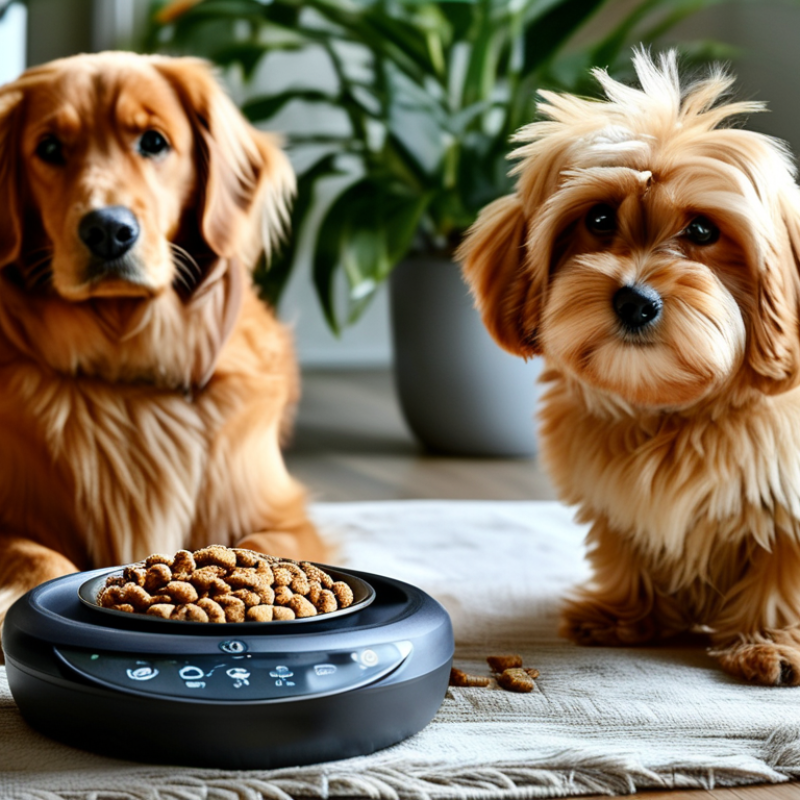
Overview of Wifi Pet Feeders and Their Importance in Pet Care
WiFi pet feeders have revolutionized pet care. They offer convenience for busy pet owners. These devices allow you to feed your pets remotely using a mobile app. According to a recent market analysis, over 30% of pet owners use tech solutions to manage their pets' health and nutrition. This significant shift highlights the growing importance of integrating technology into pet care.
Consistency in feeding is vital for pet health. Many veterinarians recommend scheduled feeding to prevent obesity. WiFi pet feeders can dispense food at set intervals, helping control your pet's diet. A study found that 61% of overweight pets experienced health improvements after switching to scheduled feedings. This data underscores the role of these feeders in promoting a healthy lifestyle for pets.
Tips for using WiFi pet feeders:
- Ensure proper installation. A weak WiFi signal can lead to feeding issues.
- Regularly monitor food levels. It’s easy to forget during a busy week.
- Adjust portion sizes with your veterinarian’s advice. Overfeeding can occur unnoticed.
By keeping these aspects in mind, you can enhance your pet's quality of life significantly.
Even minor glitches in technology deserve attention since they can impact your pet's routine.
Key Features of Wifi Pet Feeders Supported by Mobile Apps
Wifi pet feeders have become essential for pet owners seeking convenience. These smart devices allow you to manage your pet's feeding schedule through mobile apps. With just a few taps on your smartphone, you can control portions, set feeding times, and even monitor your pet’s eating habits.
Many models offer features such as real-time alerts. You can receive notifications when your pet has eaten their meal. This helps ensure that your pet is sticking to their diet. Some feeders even include a camera function. This lets you check in on your furry friend during mealtime, adding a layer of interaction.
Despite their advantages, these technologies come with challenges. Connection issues can occur, disrupting feeding schedules. Not all apps are user-friendly, which can lead to frustration. Additionally, the reliability of these devices may vary. Regular maintenance and updates are needed to ensure consistent performance. This raises questions about the long-term effectiveness of Wifi pet feeders in daily life.
How Wifi Connectivity Enhances Pet Feeding Accuracy and Management
Wifi connectivity revolutionizes pet feeding, enabling precise management of feeding schedules and portions. With a mobile app linked to your pet feeder, pet owners can remotely control how much food their pets receive, ensuring they stay healthy. This technology enhances accuracy by letting users adjust settings based on their pet's needs, whether it's adjusting meal times or portion sizes.
Tips: Regularly check the app for updates. Updates often improve functionality. Use the app's reminders feature to ensure notifications for timely feedings.
Remote monitoring can send alerts when food is low or if your pet didn't eat. Knowing their eating habits helps in maintaining their health. However, pet owners should strive to check the physical feeder regularly. Machines can malfunction, or pets may develop unexpected behaviors. Balancing technology with traditional care is essential.
Another consideration is connectivity issues. Wifi can be unstable, potentially disrupting the feeding schedule. Consider having a backup feeding method in place, such as manual feeding, for emergencies. This ensures your pet never misses a meal, regardless of technical hiccups.
The Technology Behind Pet Feeders: Sensors and Mobile Interface
The technology behind wifi pet feeders has evolved, making it easier for pet owners to manage their pets' feeding schedules. These feeders often rely on various sensors to monitor food levels and detect when a pet is nearby. Such sensors ensure that food is dispensed at the right times. This eliminates the guessing game of whether your pet is fed or not.
Mobile applications play a crucial role in this technology. They provide a user-friendly interface that allows pet owners to set feeding times and portion sizes from anywhere. Setting up alerts is also a critical feature. These alerts notify owners if the food is running low or if a feeding has occurred.
However, reliance on technology isn't without its challenges. Connectivity issues can arise, leading to missed feedings. Additionally, not all pets adapt to these devices quickly. While they offer convenience, it’s essential for owners to stay involved. Feeding habits and pet behavior still require personal attention, even with high-tech solutions in place.
Market Trends and Statistics on Smart Pet Feeding Solutions
The market for smart pet feeding solutions is rapidly evolving. Many pet owners seek convenience and efficiency. A substantial percentage of households are investing in tech to help manage their pets. Advanced feeders connect to mobile apps, allowing for remote feeding control. This trend is fueling innovations in the pet industry.
Understanding the features available can make a difference. Look for feeders with programmable settings. They should allow you to customize meal portions and schedules. A reliable mobile app enhances user experience, offering insights about pet feeding patterns. Regular updates to these apps improve functionality and user engagement. While most products claim seamless connectivity, there can be hiccups. Ensure you have a stable Wi-Fi connection.
Tips: Always check the battery life and maintenance needs of your feeder. Regular cleaning is essential for hygiene. Watch for user reviews to gauge reliability. These might reveal potential flaws in certain models, especially regarding connectivity or app functionality. Engage with online communities to share experiences and learn more about the best practices in pet feeding.
FAQS
: WiFi pet feeders are devices that allow remote feeding using a mobile app. They help busy pet owners manage meal times.
Consistent feeding prevents obesity and promotes a healthy lifestyle for pets, according to many veterinarians.
They help control portions and feeding times. Many pets improved health after switching to scheduled feedings.
Ensure proper installation to avoid weak signals. Regular food level checks are also essential.
Yes, many offer real-time alerts and tracking features. Some even have a camera to monitor pets during meals.
Connection issues can disrupt feeding schedules. Some apps may not be user-friendly, leading to frustration.
Not all pets adapt quickly to these devices. It’s important for owners to remain involved in their feeding routines.
Mobile apps allow owners to set feeding schedules and portion sizes from anywhere, enhancing convenience.
Regular updates and maintenance are needed for reliable performance. Attention to minor glitches is also vital.
No, technology complements care but doesn't replace personal attention. Pet behavior still requires direct involvement from owners.
Conclusion
Wifi pet feeders are modern solutions in pet care, allowing pet owners to manage their pets' feeding schedules remotely through mobile apps. These devices typically connect via Wifi, enabling users to monitor and control feeding times and portions from anywhere. By understanding how do wifi pet feeders connect to mobile apps, users can benefit from enhanced accuracy and efficiency in their pet feeding routines, ensuring that their furry companions maintain proper diets.
The technology behind these feeders often includes advanced sensors and an intuitive mobile interface, allowing for seamless interaction and oversight. With the rising market trends favoring smart pet feeding solutions, more pet owners are embracing these innovations, which provide valuable insights and management capabilities regarding their pets' feeding behaviors. Overall, the integration of Wifi technology into pet feeding not only simplifies daily routines but also contributes to better health management for pets.

 PawEase Feeder