As pet ownership increases, smart technology becomes essential. Pet parents are looking for convenience and peace of mind. A smart pet feeder can be a game-changer. But what features should a smart pet feeder have to meet these needs?
When choosing a smart pet feeder, consider its food capacity. Some feeders can hold several pounds, reducing the need for frequent refills. Look for programmable feeding schedules too. A reliable schedule helps maintain your pet's diet. Connectivity options matter as well. Many feeders link to smartphone apps for easy control.
Another valuable feature is portion control. Ensuring your pet receives the right amount of food is crucial. Cameras and built-in scales can provide added insight into your pet’s eating habits. Think about safety features too. Avoid feeders that are difficult to clean or prone to malfunction. Not all smart feeders are equal, and that can lead to frustrations. You want a product that blends technology with practicality, enriching your pet's life while making yours easier.
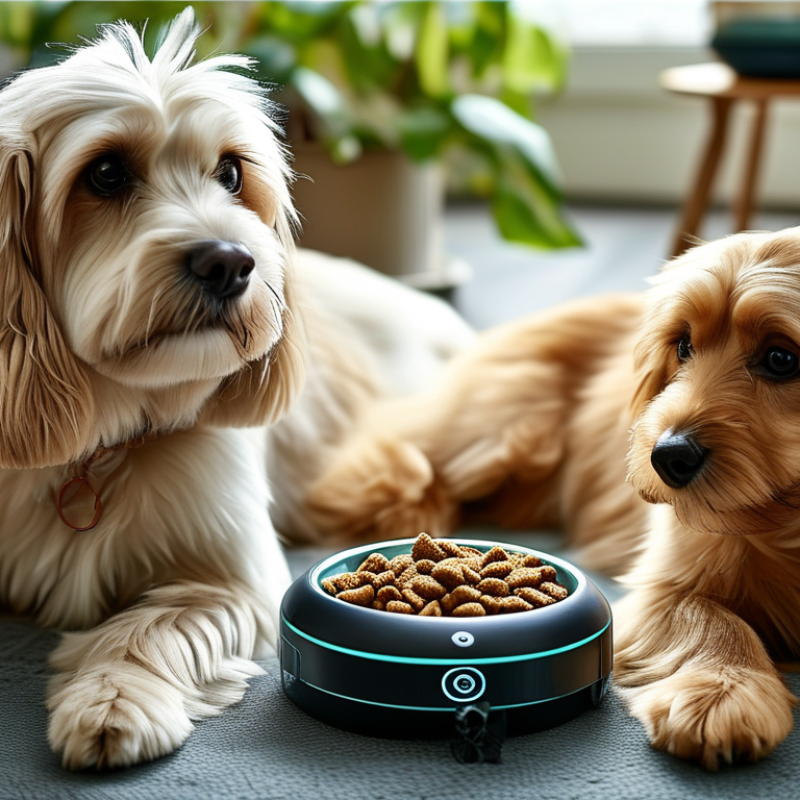
Key Features of Smart Pet Feeders: A Comprehensive Guide
Smart pet feeders have revolutionized how we care for our pets. Key features can significantly enhance convenience and health monitoring for our furry companions. In fact, a recent study revealed that 70% of pet owners are investing more in technology for pet care. High-quality smart feeders offer programmable meal schedules, ensuring pets are fed at consistent times. This feature helps combat obesity, which affects 56% of dogs and 60% of cats in the U.S., according to the Association for Pet Obesity Prevention.
Another critical feature is portion control. Automated systems allow you to dispense precise amounts of food. Many smart feeders can also monitor food intake, giving insights into pet health. A study by the American Veterinary Medical Association found that tracking these details can lead to better health outcomes. Mobile app integration enables owners to control feeding remotely. This is essential for busy schedules. However, users have noted occasional connectivity issues that can lead to delays in feeding times.
Lastly, treat dispensing capabilities add a layer of interactivity. This can strengthen the bond between pet and owner. Despite these benefits, some may find the prices steep or the technology overwhelming. Careful consideration is crucial before integrating these devices into your daily routine. Select features that align with your lifestyle while ensuring your pet's well-being remains the top priority.
Importance of Portion Control in Smart Pet Feeders for Pet Health
Portion control is crucial for your pet's health. Smart pet feeders help manage this effectively. They deliver precise amounts of food based on your pet's dietary needs. Overfeeding can lead to obesity, causing serious health risks. With a smart feeder, you can monitor your pet's intake. This ensures they receive the right nutrients at the right times.
Consider using a smart feeder with programmable portions. This allows you to customize feeding times and amounts. Many devices come with mobile apps for monitoring intake. This adds convenience and peace of mind. If you notice weight gain, adjust the portion sizes easily. Pets thrive on routine, and smart feeders can help maintain a consistent eating schedule. This reduces anxiety for both pets and owners.
Be mindful of your pet's behavior. Some pets may eat too quickly, leading to digestive issues. Choose a feeder that provides slow feeding options. This can help your furry friend savor their meals while also benefiting their health. Regularly check the feeder for any issues. Like all technology, it may have its quirks that require attention. Keep it clean to prevent mold or bacteria build-up.
2026 Best Smart Pet Feeder Features You Should Consider
| Feature |
Description |
Importance for Pet Health |
Recommended Setting |
| Portion Control |
Ability to set specific meal portions |
Prevents overeating and obesity |
Adjust based on pet's weight and activity level |
| Scheduled Feeding |
Programmable feeding times |
Establishes routine and aids digestion |
2-3 meals a day |
| Mobile App Control |
Control feeder remotely via smartphone |
Convenience for pet owners |
Use whenever needed |
| Voice Interaction |
Allows owners to call pets for feeding |
Reinforces positive feeding behavior |
Use daily during feeding times |
| Camera Monitoring |
Live feed of pet during feeding |
Ensure pet is eating properly |
Check regularly while away |
| Nutritional Guidance |
Information on pet's dietary needs |
Supports a balanced diet |
Consult with vet for specifics |
Wi-Fi Connectivity and App Integration in Smart Feeding Solutions
Smart pet feeders have become increasingly popular, especially those that offer Wi-Fi connectivity and app integration. This technology allows pet owners to manage feeding times and portion sizes remotely using their smartphones. Imagine being at work and still able to check in on your pet's meal schedule. The convenience factor here is undeniable.
With app integration, you can customize feeding plans tailored to your pet's dietary needs. Notifications alert you when food is running low. However, some consumers report issues with connectivity. Wi-Fi signals can be inconsistent. It can be frustrating when your smart feeder fails to connect during meal times. A reliable connection is essential for seamless operation.
Another aspect to consider is user experience. Not all apps offer intuitive navigation. Some require time to learn and may present bugs. Having access to customer support can help, but the need for troubleshooting can detract from the intended convenience. Smart feeders show promise, but there are challenges to navigate. With ongoing advancements, improvements are likely, but patience may be necessary for early adopters.
Advanced Monitoring Features: Tracking Pet Eating Habits and Health
Monitoring your pet's eating habits is crucial for their overall health. Advanced smart pet feeders now offer features that track how much and when your pet eats. Studies show that 70% of pet owners underestimate their pet’s caloric intake. Observing these patterns helps you manage their diet effectively.
Technology has enabled real-time updates on your pet's eating behavior. Some feeders log the time and quantity of food consumed. This data can help detect changes in appetite, which is often a sign of health issues. Regular monitoring can catch problems early, increasing the chance of successful treatment.
It’s worth noting that not all tracking features are foolproof. Some devices might not accurately report eating times due to connectivity issues. Hence, pet owners should complement technology with personal observations. Balancing high-tech solutions with traditional care methods can lead to better health outcomes for your pets.
Safety Features to Consider in Smart Pet Feeders and Their Benefits
When choosing a smart pet feeder, safety features are crucial. One important aspect is the design of the food compartment. It should be secure to prevent curious pets from accessing it. A lid that locks properly is essential. This can prevent spills and promote hygiene, ensuring your pet’s food stays fresh.
Another critical safety feature is portion control. Many feeders offer customizable portions. This helps prevent overeating and obesity in pets. It’s a thoughtful function that caters to various breeds and ages.
Also, consider the materials used. BPA-free plastics are safer and reduce health risks.
Look for feeders that offer easy cleaning. Removable parts can enhance hygiene. Pets can carry bacteria, and a clean feeder keeps them healthy.
Some models even include sensors that alert you to low food levels. Yet, these smart features aren’t foolproof. Regular monitoring is still required to ensure your pet's needs are met.
FAQS
: Smart pet feeders automate feeding schedules, allowing pet owners to ensure consistent meal times for their pets.
They offer portion control and food intake monitoring, assisting in managing obesity and improving overall health.
Yes, many feeders connect via Wi-Fi and allow mobile app management for feeding times and portion sizes.
Users report connectivity problems and app navigation challenges, which can delay feeding times.
While advanced tracking offers real-time updates, issues with accurate reporting can occur, requiring personal observation.
Yes, some apps are not intuitive and may need time to learn, causing potential frustration for users.
Combine smart technology with personal monitoring to track eating habits for better dietary management.
Many smart feeders include treat dispensing, enhancing interaction and bonding with your pet.
While they offer convenience, some find the cost steep and may feel overwhelmed by the technology.
Assess features that fit your lifestyle and prioritize your pet's well-being, ensuring the investment suits your needs.
Conclusion
When considering what features should a smart pet feeder have, several key elements come into play to enhance both convenience and pet health. Firstly, portion control is crucial, enabling pet owners to manage their pets' diet effectively, thereby preventing overeating and promoting a healthy lifestyle. Additionally, Wi-Fi connectivity and app integration allow for remote feeding schedules and monitoring through smartphones, making it easier for busy pet owners to maintain their pets' routines.
Advanced monitoring features are also essential for tracking eating habits and overall health, providing valuable insights into a pet’s well-being. Lastly, safety features should not be overlooked, as they ensure the feeder operates safely and protects pets from potential hazards. By focusing on these aspects, pet owners can select a smart feeder that truly meets their and their pets' needs.

 PawEase Feeder