Are Automatic Pet Feeders Ideal for Multiple Pets in 2026?

Time:2026-07-18 Author:Henry
0%

As the pet care industry evolves, a pressing question arises: “Are automatic pet feeders suitable for multiple pets?” Dr. Emily Hanley, a reputable pet nutritionist, believes, “Feeding multiple pets with an automatic feeder requires careful consideration of each pet’s needs.” This insight highlights the complexity behind choosing the right feeding system.

Automatic feeders promise convenience, yet they may not address the unique behaviors of different pets. For example, a cat may be more territorial than a dog when it comes to food. This can lead to conflicts if multiple pets share a feeder. Additionally, some pets might overeat or feel anxious with such devices. These challenges require thoughtful evaluation before making a decision.

Furthermore, not all automatic feeders are designed equally. Innovation in 2026 has led to more advanced models, but compatibility with multiple pets remains an issue for many owners. Some feeders allow portion control and individual settings, while others do not. As pet owners assess their options, they should consider each pet’s personality, dietary needs, and feeding habits to ensure that an automatic feeder is the right fit.
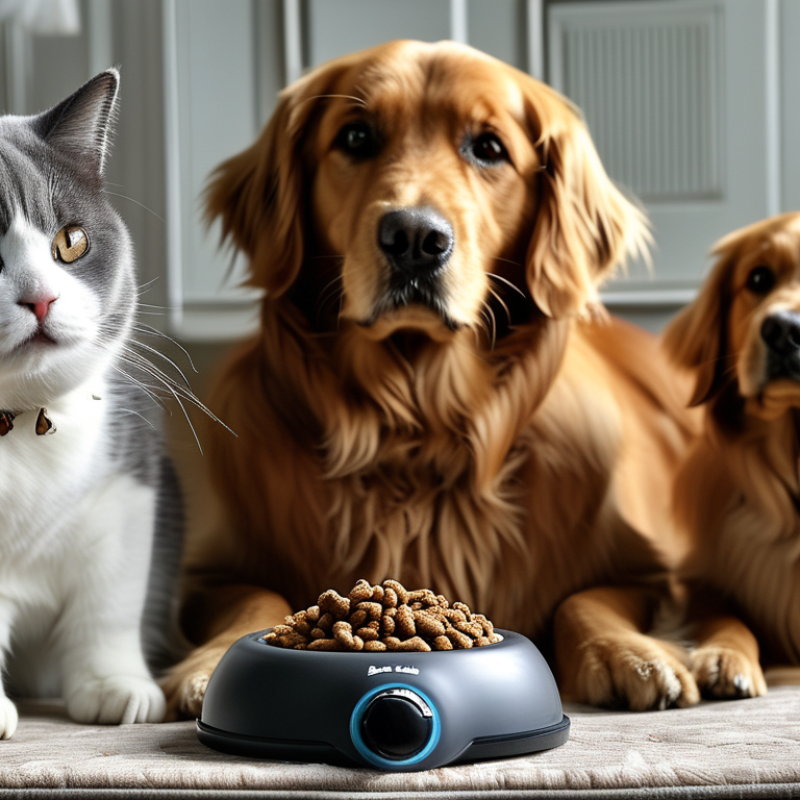
Are Automatic Pet Feeders Ideal for Multiple Pets in 2026?

Automatic Pet Feeders: Overview and Market Trends for 2026

In 2026, the use of automatic pet feeders is gaining traction among pet owners, especially those with multiple pets. These devices offer convenience, allowing for scheduled feedings, portion control, and reduced food wastage. However, owners must consider varying dietary needs and behaviors of each pet. Some pets may eat quickly, while others may graze. An automatic feeder might not account for these differences, leading to potential conflicts.

Market trends show an increase in smart features for feeders, integrating apps and sensors. Some advanced models monitor pets’ eating habits and alert owners to any issues. While this technology can enhance reliability, it does have drawbacks. Systems can malfunction, leading to missed feedings or overfeeding. Such failures can impact pets' health, raising concerns among experienced pet parents.

The growing interest in multi-pet households further complicates the automatic feeding landscape. Owners need to evaluate whether these feeders can truly cater to individual needs. Many feeders may lack the customization required for each pet's diet and feeding schedule. It's essential to weigh the benefits against the risks of automation in pet care.

Understanding the Needs of Multiple Pets in Feeding Scenarios

When considering automatic pet feeders for multiple pets, understanding each pet's unique needs is crucial. Research indicates that households with more than one pet often face challenges in creating a harmonious feeding routine. A report from Pet Industry Insights states that 37% of multi-pet owners struggle with managing feeding times and portions effectively. This shows the complexity of feeding multiple pets simultaneously.

Feeding scenarios can differ greatly among pets. Some pets may be aggressive eaters, consuming food quickly, while others might be more hesitant. In fact, a survey from the American Pet Products Association revealed that 65% of pet owners reported that one pet would dominate the feeder if left unattended. Automatic feeders programmed to dispense food at regular intervals can mitigate this issue, but they may not solve behavioral conflicts completely.

However, not every automatic feeder is perfect for multi-pet households. Often, the technology behind these feeders isn't foolproof. Some devices may malfunction or fail to deliver the correct amounts. This can lead to overfeeding or underfeeding, necessitating monitoring by pet owners. In a world where pets require tailored nutrition, recognizing this limitation proves vital for ensuring their well-being.

Technological Advances in Automatic Feeders for Multi-Pet Households

In 2026, automatic pet feeders are advancing rapidly, especially for homes with multiple pets. These devices now feature smart technology, allowing pet owners to manage feeding schedules from their smartphones. This can ease daily routines. However, relying too much on technology can create challenges. Each pet has unique dietary needs, and a one-size-fits-all feeder may not work for everyone.

Some modern feeders have customizable portions. They can dispense different types of food for each pet. Yet, while this is beneficial, it requires careful programming. Misconfigurations may lead to overfeeding or underfeeding. It’s essential to monitor your pets' health closely and adjust accordingly.

Moreover, with technology comes the risk of malfunctions. Some feeders may fail to work, leading to missed meals. Regular maintenance is crucial for reliability. Users should always have backup feeding plans. Balancing technology and personal care can create harmony in managing multiple pets.

Pet Feeding Efficiency in Multi-Pet Households (2026)

Cost-Effectiveness of Automatic Feeders vs. Manual Feeding Methods

In 2026, the cost-effectiveness of automatic pet feeders compared to manual feeding methods is a hot topic among pet owners. Automatic feeders offer the convenience of scheduled feeding. This is especially beneficial for busy households with multiple pets. Automated systems can help maintain consistent feeding times, which is crucial for pets' health. However, the initial investment can be high.

Manual feeding might seem cheaper, but it requires more time and effort. Feeding multiple pets at once can be chaotic. Owners often worry about portion sizes and food sharing. Manual feeding also lacks the reliability of automation. Pets might not eat on time, leading to overeating later. Routine is important for pet well-being, and automatic feeders can provide that structure.

Yet, one must consider the potential downsides of automatic feeders. Malfunctions can occur. A blocked dispenser can lead to missed meals. Additionally, not all feeders are suitable for every pet's dietary needs. Owners may find themselves needing to monitor feeding more closely. Reflecting on these aspects will help pet owners decide which method best fits their lifestyle and their pets' needs.

Are Automatic Pet Feeders Ideal for Multiple Pets in 2026? - Cost-Effectiveness of Automatic Feeders vs. Manual Feeding Methods

Feeding Method Initial Cost Monthly Cost Convenience Score (1-10) Time Saved Per Day (mins)
Automatic Pet Feeder $150 $30 8 20
Manual Feeding $20 $40 5 30
Semi-Automatic Feeder $80 $35 7 25
Self-Feeding Bowls $40 $40 4 10

Consumer Preferences and Satisfaction Rates for Multi-Pet Feeding Solutions

In 2026, the landscape of pet care continues to evolve, especially for owners with multiple pets. Automatic pet feeders are gaining traction among consumers who crave convenience. However, satisfaction rates depend on various factors.

When choosing a multi-pet feeding solution, aligning the feeder’s capacity with your pets’ eating habits is crucial. Different pets might require different portion sizes. An automatic feeder that accommodates varied diets can lead to less frustration. Consider the feeder's ability to schedule meals. This ensures that each pet gets fed at the right time, reducing competition and stress during mealtimes.

Tips:

  • Observe your pets' feeding behaviors. Some pets may guard their food.
  • Look for feeders that prevent food theft among your furry friends.
  • Regularly clean the feeder to maintain hygiene and avoid issues like mold.

Despite the advantages, not all feeders perform equally. Some users report malfunctions or difficulty programming. It's important to continually assess the effectiveness of your choice. Seeking user reviews and expert advice can enhance your decision-making. While technology offers solutions, it’s essential to remain vigilant and adaptive.

FAQS

: What are the main benefits of automatic pet feeders?

: They provide convenience, schedule feedings, control portions, and reduce food wastage.

Can automatic feeders cater to different pets' dietary needs?

Not always. Some feeders may struggle to meet individual dietary needs, which can lead to conflicts.

What are common issues with smart pet feeders?

Malfunctions can happen, leading to missed feedings or overfeeding, which can affect pet health.

How can I ensure my pets are fed correctly with an automatic feeder?

Monitor their eating habits and adjust settings carefully to prevent overfeeding or underfeeding.

What should I do if the feeder malfunctions?

Have a backup feeding plan ready. Regular maintenance is crucial for ensuring reliability.

Are all automatic feeders equally effective?

No, user experiences vary. Some feeders have reported issues with programming and performance.

How can I keep feeding areas hygienic?

Regularly clean the feeder to prevent mold and ensure your pets' health.

What should I observe about my pets' behavior during feeding?

Watch for food guarding or competition, which can affect their feeding experience.

How important is the feeder's capacity?

It's crucial. Aligning the feeder’s capacity with your pets' habits reduces stress at mealtime.

Should I rely solely on technology for pet feeding?

No, while technology is helpful, personal care remains essential for pet well-being.

Conclusion

The article titled "Are Automatic Pet Feeders Ideal for Multiple Pets in 2026?" explores the evolving landscape of automatic pet feeders and their suitability for households with multiple pets. It begins with an overview of the market trends for 2026, highlighting the increasing demand for innovative feeding solutions. Understanding the diverse feeding needs of multiple pets is crucial, as different animals may have varying dietary requirements and feeding behaviors.

Technological advancements have led to the development of automatic feeders designed specifically for multi-pet scenarios, facilitating efficient and balanced feeding. Moreover, the cost-effectiveness of automatic feeders compared to traditional manual feeding methods is discussed, emphasizing the potential savings for pet owners. Ultimately, consumer preferences and satisfaction rates reveal a growing trend toward these automated solutions, raising the question: are automatic pet feeders suitable for multiple pets? The article concludes that these devices can indeed optimize the feeding process, ensuring that the needs of all pets are met effectively.

Henry

Henry

Henry is a dedicated marketing professional with a profound expertise in the company's offerings. With years of experience in the industry, he possesses an impressive understanding of the market dynamics and consumer behaviors that drive success. Henry is committed to sharing his insights through......