Automatic pet feeders have gained popularity among dog owners. They offer convenience for busy lifestyles. But the question remains: are automatic pet feeders good for dogs?
These devices ensure dogs receive regular meals. They can prevent overeating by controlling portions. However, some dogs may struggle with the transition. A pet’s individual habits and needs should always factor in. Researching feeder features is essential. Not all brands are created equal in functionality.
While automatic feeders can promote healthy eating, they also have limitations. For instance, some dogs may feel anxious when meals are dispensed. On the other hand, many pet owners appreciate the consistent feeding schedule. Finding the right balance is crucial for your dog’s health and happiness.
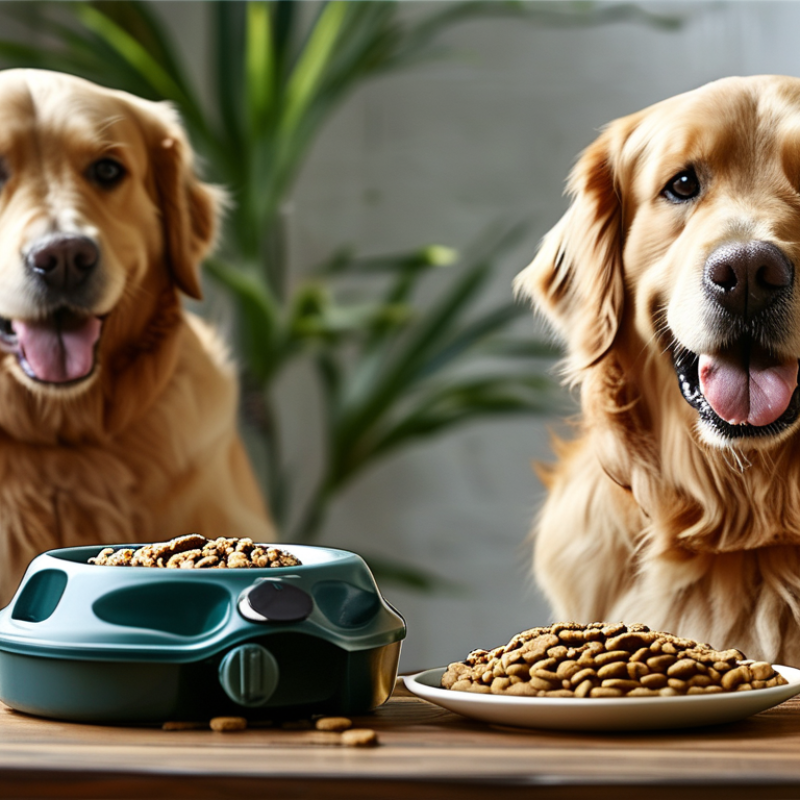
Automatic pet feeders have gained popularity among dog owners for their convenience and functionality. These devices allow pet parents to schedule meal times and control portions easily. A report by the American Pet Products Association (APPA) states that nearly 30% of American households own a dog, making the need for effective feeding solutions even more pressing.
The core functionality of automatic pet feeders lies in their programming features. Users can set precise feeding times, often with options for multiple meals throughout the day. Many models also come equipped with portion control settings, which help prevent overfeeding. According to research from the Veterinary Medical Association, obesity in pets is a rising concern, affecting approximately 56% of dogs in the U.S. Proper portion control can combat this issue effectively.
Despite their advantages, automatic feeders can have shortcomings. Some dogs may not adapt well to feeding schedules, leading to anxiety. Others might find ways to access the feeder outside of scheduled times. Regular monitoring is essential to ensure the device meets the dog's dietary needs without causing undue stress. Moreover, a malfunctioning feeder could lead to missed meals or overfeeding, highlighting the need for pet owners to stay engaged with their pet's feeding habits.
Automatic pet feeders can significantly enhance the health and well-being of dogs. These devices ensure that pets receive their meals at regular intervals. Consistent feeding schedules can help maintain a dog's digestive health. For instance, dogs prone to obesity can benefit from controlled portion sizes. This can prevent overeating and lead to healthier weight management.
Moreover, automatic feeders offer convenience for busy pet owners. With just a push of a button, you can schedule meals for your dog. This allows owners to focus on their daily tasks without worrying about their pet's feeding time. However, it’s essential to monitor your dog's eating habits closely. Some dogs might take time to adapt to these feeders. Observations can help ensure they are eating adequate amounts.
These feeders can also reduce anxiety for both pets and owners. A dog knows when its food will arrive. This predictability can create a sense of security. Yet, it's vital to remember that not all dogs may thrive with this technology. Some dogs may miss the interaction of hand-feeding. Reflecting on your dog’s individual needs and preferences remains crucial for their overall happiness.
Automatic pet feeders can be a helpful tool for dog owners, but they come with potential drawbacks. One main concern is the lack of portion control. Many models don't allow for precise measurements. Over time, this can lead to weight gain in dogs, which poses health risks. Monitoring food intake becomes challenging when relying solely on a machine.
Another issue is the reliance on technology. Automatic feeders can malfunction. A jammed mechanism or a power failure could leave your dog without food, leading to missed meals. Dogs thrive on routine, and disruption may cause anxiety or stress. It's important to have a backup feeding plan or be at home regularly.
While convenience is appealing, consider your dog's specific needs. Not all dogs adapt well to automatic systems. Some may prefer human interaction during feeding times. Observing their behavior can provide insight into whether these feeders are beneficial for them. Balancing the use of technology with personal attention is crucial for a dog’s well-being.
When selecting an automatic pet feeder, consider its
capacity. Larger feeders hold more food,
reducing the frequency of refills. Look for models that suit your dog's eating habits. A feeder that accommodates
their portions is essential for maintaining a healthy diet.
Another important feature is the programmable timer. This
allows you to set specific feeding times. A reliable timer ensures your dog gets meals on schedule, even when
you're busy. However, some timers can be tricky. Test the settings
before relying on them completely.
Lastly, think about the materials used in the feeder. Some
are made from plastic, while others are stainless steel.
Stainless steel is often more durable and easier to clean. It's crucial to prevent bacteria buildup,
which can be harmful. Check for removable components for easy washing. Being thoughtful about these features enhances
your dog's feeding experience.
The market for automatic pet feeders is rapidly evolving. It's estimated that their popularity is driven by convenience and changing lifestyles. Pet owners seek solutions that ease the feeding process. Many prefer feeders that offer portion control and scheduled feeding times.
Research indicates that these devices are becoming more reliable. However, not all feeders work the same. Some may malfunction or require frequent adjustments. Reliability is vital, as inaccurate feeding can affect a dog's health.
Tips: When choosing an automatic feeder, look for adjustable settings. Ensure it fits your dog’s needs. Monitor your pet’s behavior after using a new feeder. If they seem stressed or confused, it might not be the right choice.
Market data also reflects a shift toward technologically advanced models. Connectivity features allow monitoring via smartphone apps. Yet, some users find this complexity unnecessary. Simple feeders might be more appealing for those who prefer straightforward solutions.
Consider your dog's specific habits before purchasing. A picky eater may benefit from a different model than a dog that devours food quickly. Take these factors into account to enhance your pet's feeding experience.
: Automatic pet feeders help schedule meal times and control portions for pets. They are convenient for busy pet owners.
Users can program exact feeding times and set portion sizes. Many feeders offer multiple meals each day.
Yes, portion control settings can prevent overeating. It may help maintain a dog's healthy weight.
Regularly check if your dog adapts to feeding schedules. Ensure they eat enough and are not stressed.
Not all dogs may adjust well. Some might prefer hand-feeding and miss human interaction.
A malfunction could lead to missed meals or overfeeding. It's important to stay engaged with feeding habits.
Yes, knowing when food arrives can create security for dogs. However, individual needs should be considered.
Some dogs could become anxious with strict schedules. It’s essential to observe your dog’s behavior consistently.
Automatic pet feeders can be a beneficial tool for dog owners, addressing several aspects of canine health and well-being. These devices function by dispensing pre-measured amounts of food at scheduled times, ensuring that pets receive consistent nutrition even when their owners are unavailable. The benefits of using automatic pet feeders include improved meal timing, portion control, and reduced anxiety for both dogs and their owners. However, potential drawbacks exist, such as reliance on technology and the possibility of overfeeding if the device is not properly monitored.
When considering whether automatic pet feeders are good for dogs, it is important to evaluate key features like programmable settings, food storage capacity, and ease of cleaning. Current market trends indicate a growing interest in these products, reflecting their increasing relevance in pet care. Ultimately, while automatic pet feeders can enhance the feeding routine for dogs, careful selection and management are essential to maximize their effectiveness.

PawEase Feeder