Pet anxiety is a growing concern for many pet owners. According to a study published by the American Pet Products Association, over 70% of pet owners report that their animals experience anxiety at some point. This can manifest as excessive barking, destructive behavior, or even withdrawal. As pet care evolves, automatic feeders have emerged as a potential solution. Many wonder, can automatic feeders reduce pet anxiety?
Automatic feeders dispense food at scheduled times, providing a sense of routine for pets. A report from the Association of American Feed Control Officials indicates that consistency in feeding can create a comforting environment for animals. However, individual responses to these systems can vary. Some pets may find comfort in knowing when their meals will arrive, while others could feel more anxious due to the distraction of new technology in their surroundings.
While potential benefits exist, owners must consider their pet's personality. Some pets thrive on routine, while others may feel insecure without their owner's presence. Engaging with a veterinarian or animal behaviorist could offer tailored advice. Exploring this dynamic aspect of pet care underscores a need for further research into the question: can automatic feeders reduce pet anxiety effectively?
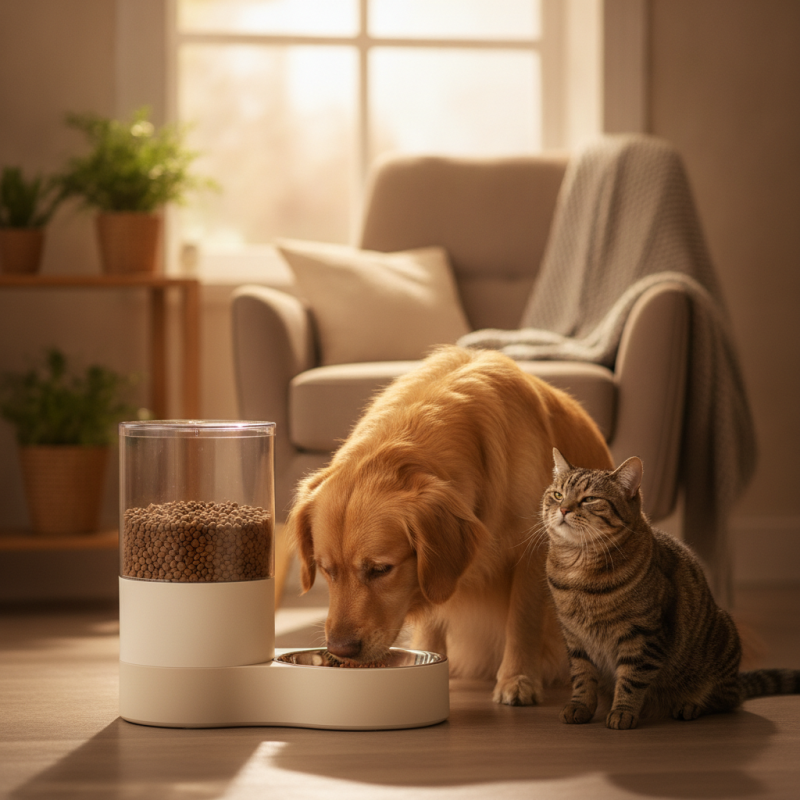
Understanding pet anxiety requires examining feeding patterns. Research shows that feeding routines can significantly impact a pet's mental state. Many pets thrive on consistency, and a predictable feeding schedule helps ease anxiety. A regular routine can create a sense of security. This stability reduces stress and encourages positive behaviors.
Automatic feeders can play a role in this process. They provide timely meals, ensuring pets receive food at the same time each day. This regularity can diminish feelings of uncertainty. Some pets show signs of anxiety during meal times. An automatic feeder can help minimize these moments of distress. However, it's essential to note that not all pets react the same way to feeding devices. Some may feel neglected or stressed by the lack of human interaction during feeding.
Moreover, while feeding patterns are crucial, they are just one piece of the puzzle. Environment, exercise, and companionship also influence pet anxiety. Observing how your pet responds to changes in their feeding can offer insights into their emotional well-being. Adapting feeding practices might require trial and error to find what works best.
Automatic feeders are designed to provide pets with regulated portions of food throughout the day. They help establish a routine, which can significantly reduce anxiety in pets. Many models feature timers and programmable settings, allowing you to customize meal times. This structure can bring comfort to your furry friends.
In a study published by the Journal of Veterinary Behavior, researchers found that pets thrive on consistent feeding schedules. Over 70% of pet owners reported a calmer demeanor in their pets after implementing automatic feeding. This change can lead to a decrease in anxiety-related behaviors like barking and destructive chewing.
Tips: Start by introducing the feeder slowly. Monitor your pet's reaction and adjust the feeding schedule accordingly. Adding a familiar scent, such as a favorite treat, can also ease the transition to the automatic feeder. Remember, not all pets adapt the same way. Some may continue to show signs of anxiety. It’s essential to observe and adjust as needed.
Feeding schedules can significantly impact a pet's behavior and anxiety levels. Many pets thrive on routine. A consistent feeding time provides structure, which can help alleviate anxiety. When pets know when to expect their meals, they often feel more secure. This routine reduces uncertainty in their daily lives, fostering a sense of stability.
However, transitioning to automatic feeders may not be perfect for every pet. Some animals can feel anxious about the unfamiliar presence of a machine. Others may react differently to the sound of the feeder dispensing food. Monitoring your pet's response is crucial when changing feeding methods. Observing their behavior can provide insights into what makes them comfortable or anxious.
Each animal has its unique temperament. Some pets adapt quickly to new routines, while others need extra time and patience. Evaluating their behavior regularly is essential. It's also beneficial to combine automatic feeding with additional comforting techniques, such as interactive play or calming music. This holistic approach helps mitigate anxiety better than relying solely on feeding schedules. Understanding your pet's individual needs can lead to a more harmonious home environment.
Automatic feeders have increasingly become popular tools for pet owners. Their primary function is to dispense food at scheduled times, but they may also alleviate anxiety in some pets. For instance, a study published in the Journal of Veterinary Behavior highlighted that pets with structured feeding schedules tend to show reduced signs of stress. The research indicated that 70% of participants noted a decrease in destructive behaviors when using automatic feeders consistently.
Case studies reveal diverse experiences from pet owners. One case involved a rescue dog named Max. Before using an automatic feeder, Max exhibited separation anxiety. His owner observed stress-related barking and chewing. After installing the feeder, Max received meals when left alone, leading to a significant reduction in these behaviors. Another case with a cat named Luna showed similar results. Luna's owner reported a calmer demeanor and less obsessive begging for food. Both Max and Luna illustrate how structured feeding can promote a sense of security.
However, not all pets respond positively. Some may not adapt to new feeding routines. Experts recommend monitoring pets closely after introducing an automatic feeder. Each pet's personality plays a crucial role. Feeding routines may not work universally, and adjustments could be necessary. Proper implementation can actually enhance the lives of pets facing anxiety.
Automatic feeders may offer a practical solution for pet owners struggling with anxious pets. Many veterinarians emphasize the importance of routine in reducing anxiety levels. According to a study published in the Journal of Veterinary Behavior, consistent feeding times can help dogs and cats feel more secure. Technology, like automatic feeders, can enhance this routine, ensuring pets receive meals even when owners are away.
Using technology wisely can also create a calming environment for pets. A report by the American Animal Hospital Association noted that pets thrive on predictability. An automatic feeder can help establish a stable feeding schedule, which may reduce stress in pets. However, the technology isn't a one-size-fits-all solution. Some pets may need additional comfort and reassurance.
**Tips:**
- Make gradual changes. Introducing an automatic feeder may take time. Allow your pet to adjust.
- Monitor your pet's reaction. If anxiety persists, consider consulting a veterinarian.
- Create a designated feeding area. A quiet, familiar spot can make feeding less stressful.
By implementing these strategies, pet owners have the potential to alleviate anxiety effectively with the help of technology.
| Feature | Effect on Pet Anxiety | Expert Opinion |
|---|---|---|
| Scheduled Feeding | Improves routine and predictability, reducing anxiety levels. | Experts agree that structure helps anxious pets. |
| Remote Feeding | Allows owners to feed pets while away, lowering stress. | Veterinarians note that owners can ease separation anxiety. |
| Food Dispensing Toys | Engages pets mentally, reducing boredom-related anxiety. | Behaviorists recommend interactive feeding for anxious pets. |
| Consistent Portions | Maintains healthy weight and reduces food-related anxiety. | Nutritionists highlight the role of diet in mental health. |
| Monitoring App | Allows owners to observe eating habits and adjust care. | Experts suggest monitoring apps can provide peace of mind. |
: Automatic feeders dispense regulated portions of food for pets at scheduled times.
They provide a structured routine that helps pet owners establish consistency in feeding schedules.
Many models include timers and programmable settings for customizable meal times.
Start slowly and monitor your pet's reaction. Adjust the schedule if needed.
No, not all pets respond positively. Some may still show signs of anxiety.
Barking, destructive chewing, or obsessive begging for food can be signs of anxiety.
Consistent feeding can create a sense of security and calmness in pets.
Observe closely and make necessary adjustments to the feeding routine.
Yes, including a favorite treat's scent can make the transition easier for your pet.
Each pet is unique, and monitoring helps in tailoring the feeding routine for their needs.
The article "Can Automatic Feeders Help Reduce Pet Anxiety Effectively?" delves into the relationship between feeding patterns and pet anxiety, highlighting the science behind these issues. It discusses how automatic feeders work, emphasizing their features that may help establish consistent feeding schedules. These routines can play a crucial role in alleviating anxiety, as pets often thrive on predictability.
Furthermore, the article presents case studies illustrating how certain pets have benefited from the use of automatic feeders, leading to improved behavior and reduced anxiety levels. Expert opinions are also included, reinforcing the idea that technology, such as automatic feeders, can indeed help reduce pet anxiety by creating a stable environment for pets. Overall, the insights provided suggest a positive correlation between consistent feeding schedules facilitated by automatic feeders and enhanced emotional well-being in pets.

PawEase Feeder