In today's busy world, automatic feeders offer pet owners convenience and peace of mind. However, a common question arises: how much food should an automatic feeder provide? Dr. Sarah Thompson, a renowned veterinary nutritionist, emphasizes, "Feeding the right amount ensures pets stay healthy and happy." Proper portioning is essential for maintaining an optimal weight for our furry friends.
Understanding how much food to serve is not as straightforward as it seems. Each pet is unique, requiring tailored amounts based on size, age, and activity level. Many automatic feeders come with settings for portion control. This allows owners to adjust meals according to their pet's specific needs. Regular monitoring helps ensure that these settings remain effective.
There is a balance to strike here. Overfeeding can lead to obesity, while underfeeding can cause malnutrition. Pet owners should reflect on their feeding routines. It's important to routinely assess whether the automatic feeder's distribution aligns with their pet's health. Evaluating this aspect can lead to a more fulfilling and healthier life for their beloved pets.
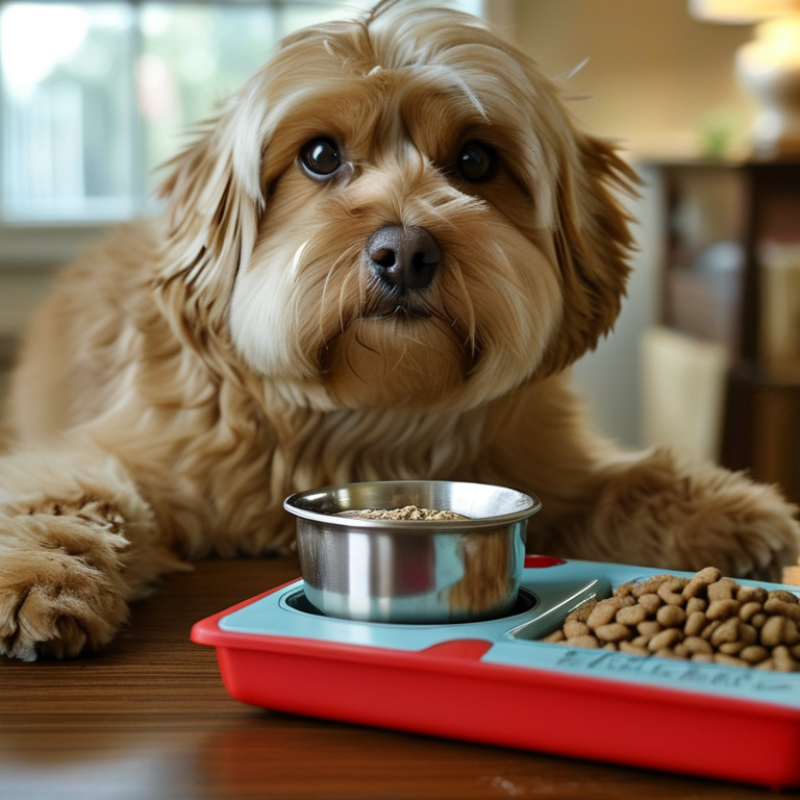
When using automatic feeders for pets, portion size is a crucial factor. It's essential to consider your pet's age, weight, and activity level. For instance, a young, energetic dog may require more food than an older, less active one. You should also consider the specific dietary needs of your pet. Some pets need special diets due to health issues. Always consult with a vet to get tailored advice for your furry friend.
Another important element influencing portion size is feeding frequency. If you use an automatic feeder to dispense meals throughout the day, you may give smaller portions at each feeding. However, some pets may develop undesirable habits, like overeating, if portions are too large or too frequent. Observing your pet's behavior helps adjust these portions. Monitoring weight changes can indicate whether the feeding schedule is effective.
Balancing portion sizes can be challenging. Different pets respond uniquely to feedings, making it necessary to adjust as needed. You might start with standard recommendations but find that your pet needs more or less. Reflecting on feeding routines and making adjustments is part of providing the best care. Always be attentive to your pet’s reactions to their feeding schedule, as this can lead to better health and wellbeing.
| Pet Type | Weight (lbs) | Daily Caloric Needs | Portion Size (cups) | Factors Influencing Portion |
|---|---|---|---|---|
| Dog (Small) | 10 | 300 kcal | 1.25 | Age, Activity Level, Health Conditions |
| Dog (Medium) | 30 | 600 kcal | 2.5 | Age, Activity Level, Health Conditions |
| Dog (Large) | 70 | 1000 kcal | 4.2 | Age, Activity Level, Health Conditions |
| Cat | 10 | 250 kcal | 1 | Age, Activity Level, Health Conditions |
| Cat (Overweight) | 15 | 200 kcal | 0.8 | Weight Management, Age, Activity Level |
: Portion size is vital for pets’ health. It depends on age, weight, and activity level.
Consider your pet’s specific dietary needs and general health. Consulting a vet is helpful for tailored advice.
Feeding frequency allows smaller portions. However, too frequent meals may cause overeating in some pets.
No, pets respond differently. What works for one may not work for another; adjustments are often necessary.
Monitor your pet's weight and behavior. Make gradual changes to feeding portions as needed.
Automatic feeders can miscalculate portions, leading to overfeeding. Measuring food carefully is crucial.
Avoid ignoring unique dietary needs and using incompatible food types in feeders. Always check compatibility.
Clean the feeder regularly to prevent health issues. A dirty feeder can harm your pet's wellbeing.
If pets feel dehydrated, they might eat less. Fresh water should be provided with every meal.
It’s risky. Regularly test the feeder's function to avoid surprises when you're unavailable.
When considering how much food should an automatic feeder provide for pets, various factors come into play. These include the pet's species, breed, age, and activity level, all of which influence the appropriate portion size. For instance, a high-energy dog will require more calories than a sedentary cat. It's essential to consult the recommended daily caloric intake for different pet types to ensure they receive the right nutrition.
Adjustments may need to be made based on the pet's age and activity level, as younger pets typically require more calories for growth, while older pets may need less. Understanding the caloric density of different pet food types is crucial, as some foods are more calorie-rich than others. Common mistakes, such as overfeeding or underfeeding, should be avoided to maintain a pet's health and prevent obesity. With careful consideration of these factors, pet owners can set their automatic feeders to provide the optimal amount of food for their furry companions.

 PawEase Feeder